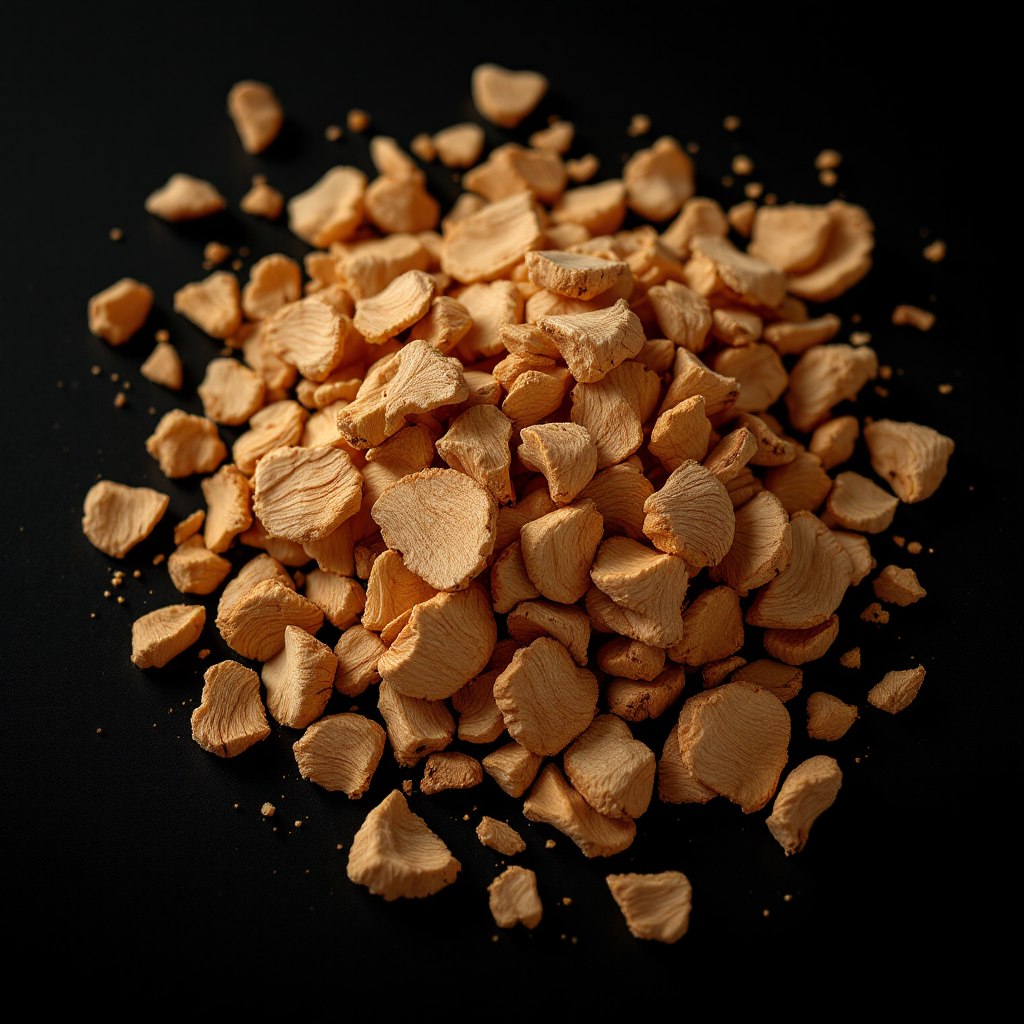
Limbwood
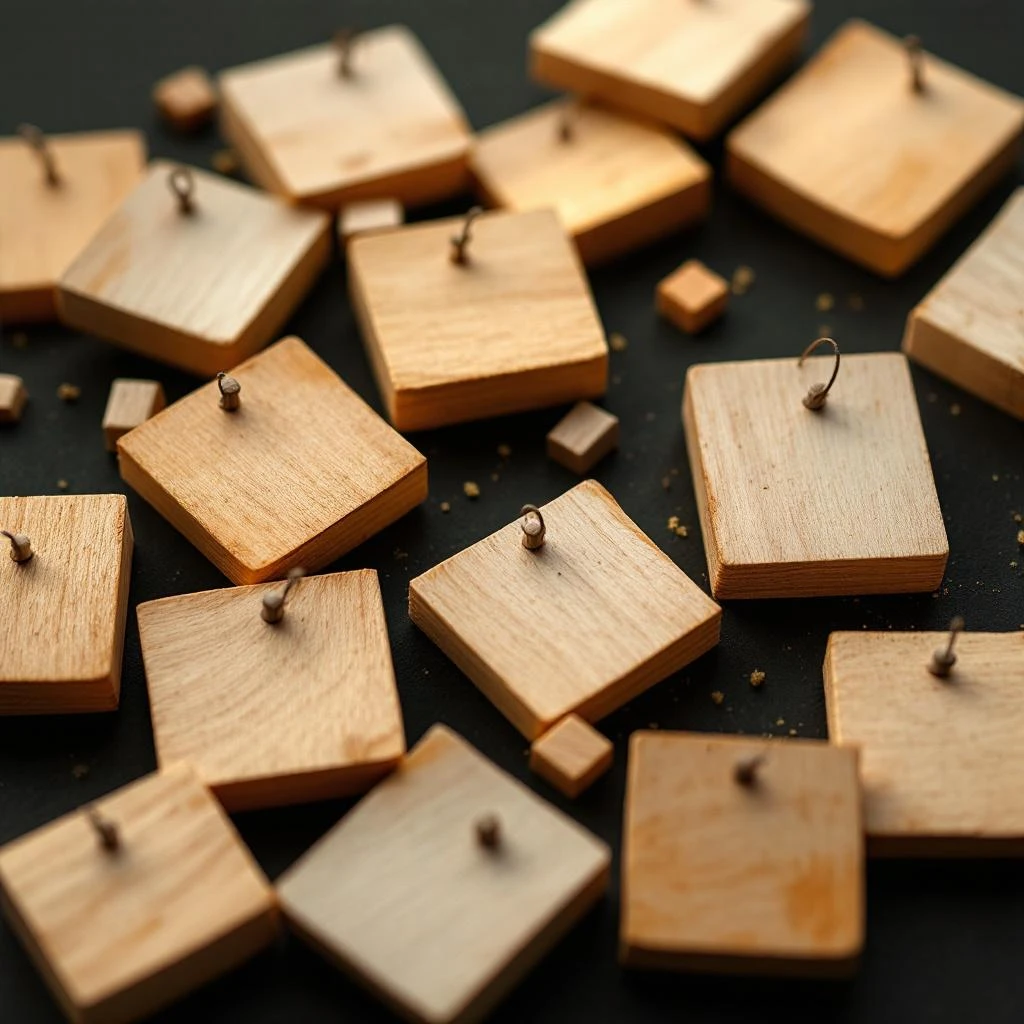
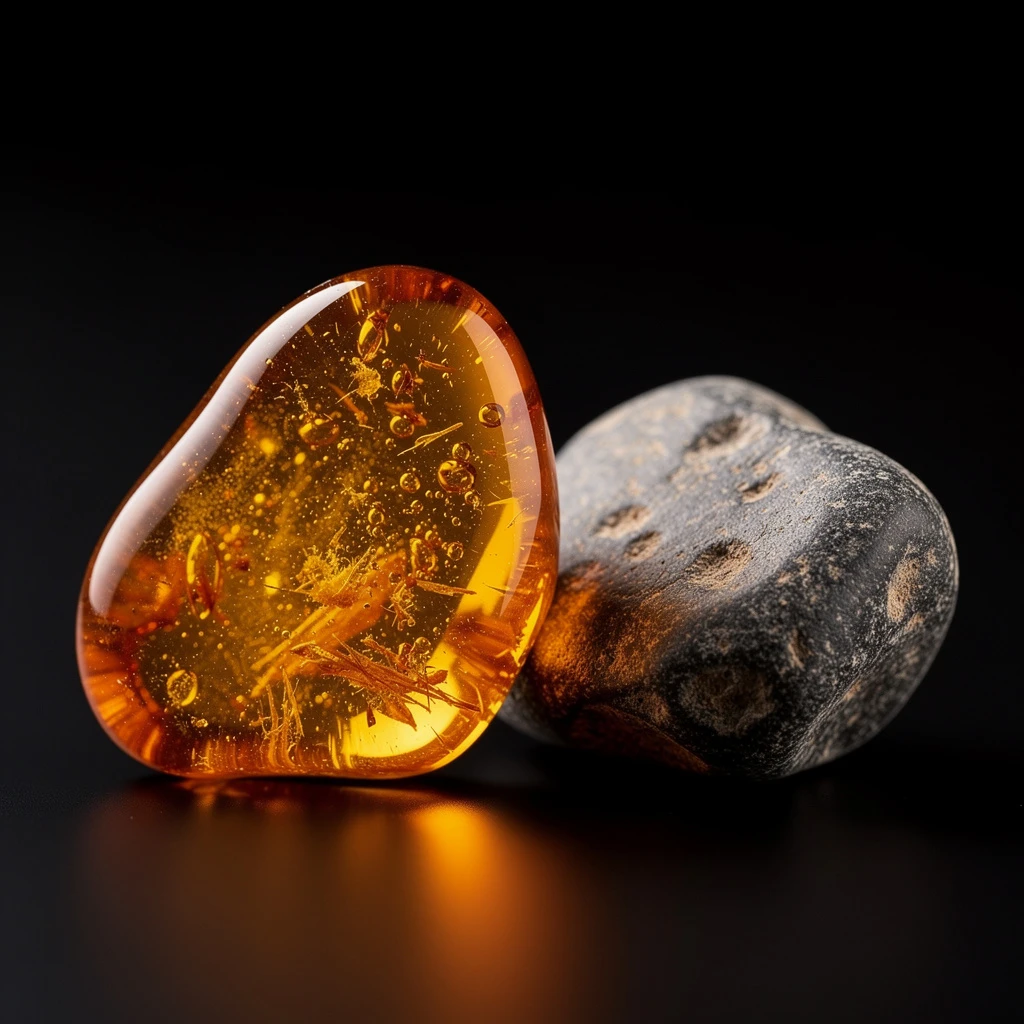
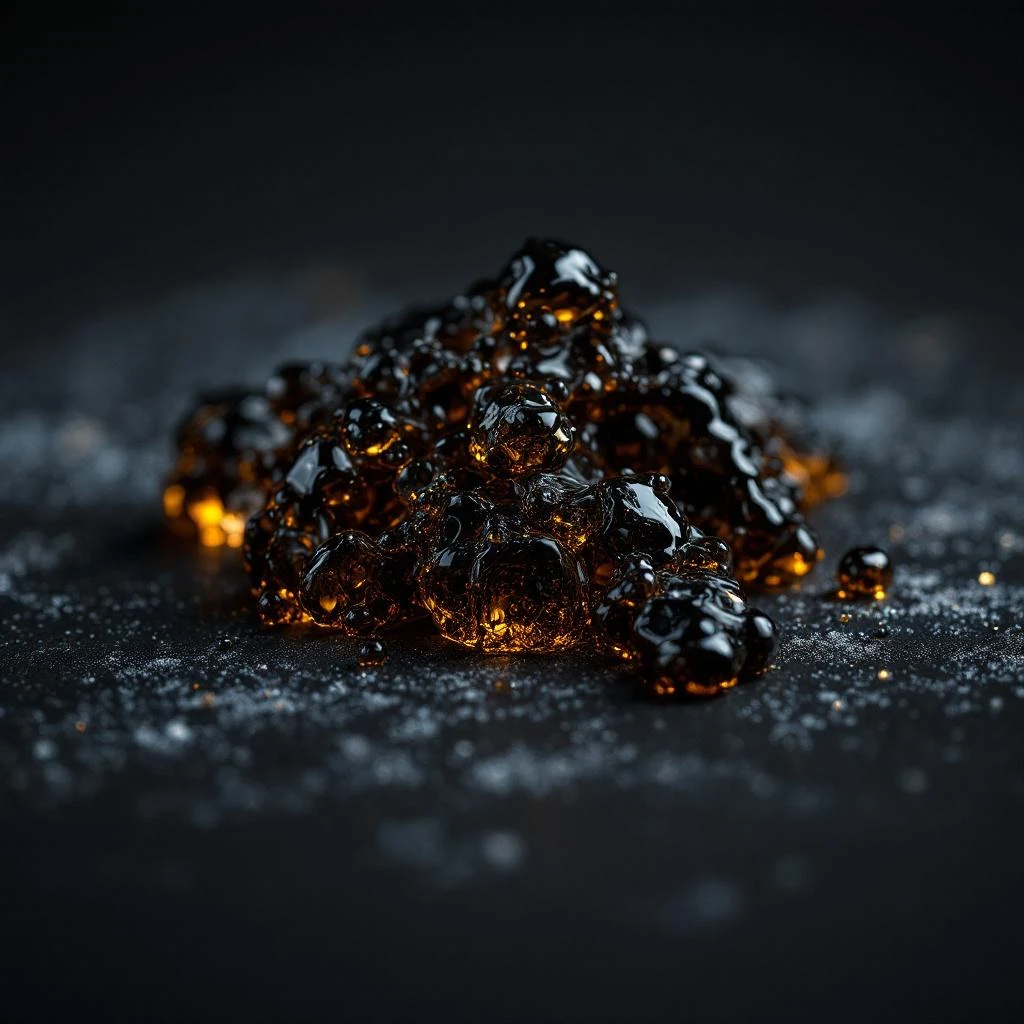
Limbwood is a rare perfumery material with a dry, woody character and subtle resinous warmth. Sourced from select tropical species, it anchors compositions with quiet depth rather than overt sweetness.
Character
How it smells
Quiet wood with quiet depth.
Limbwood entered niche perfumery only recently and remains one of the lesser-documented woody materials, with most sourcing concentrated in small Southeast Asian operations.




Origin
Indonesia
Limbwood occupies a curious place in fragrance history: a material that escaped the great classical perfumery traditions of Grasse, India, and the Middle East. While rose, sandalwood, and agarwood dominated woody perfumery for centuries, limbwood remained largely outside commercial channels until late in the twentieth century. Early twentieth-century synthetic breakthroughs, including vanillin synthesis by Ferdinand Tiemann in 1874 and the rise of aroma chemistry in Grasse, shifted perfumer attention toward more accessible woods.
Limbwood's relative obscurity meant it rarely appeared in vintage formulations. Documentation in mainstream perfumery literature remains thin, and most references trace back to small-scale Southeast Asian producers who began experimenting with local woody species in the 1990s. Today the ingredient carries an air of novelty.
Independent perfumers prize it precisely because it carries no heavy historical baggage, offering a woody note that feels distinct from the canonical materials that have anchored fragrance for generations.
Wears it best
Fragrances featuring Limbwood
Brands
Brands known for Limbwood
Good to know
Questions, answered
The essentials on Limbwood in perfumery: how it smells, where it comes from, and how it behaves on skin.
What does limbwood smell like in a fragrance?
Limbwood presents a dry, woody profile with subtle resinous warmth and minimal sweetness. It typically serves as a base note, providing structural depth without dominating a composition. Most wearers describe it as quieter than sandalwood or cedar.
Is limbwood natural or synthetic?
Limbwood is a natural material derived from the heartwood of select tropical trees via steam distillation. Synthetic alternatives exist for cost reduction, though they rarely match the complexity of the genuine distilled oil.
How rare is limbwood compared to other woody notes?
Limbwood is significantly rarer than cedar or sandalwood due to limited sourcing and low distillation yields, often under one percent oil by weight. This scarcity places it firmly in the niche perfumery category.
Which fragrance families use limbwood most?
Woody and oriental compositions use limbwood most frequently, where its dry character complements oud, amber, and resinous materials. It appears less often in fresh or floral families, which favor brighter top notes.
Where does limbwood primarily come from?
Limbwood sourcing centers on Indonesia and parts of mainland Southeast Asia, where the parent tree species grow natively. Local small-scale operations handle most harvesting and distillation.
When did perfumers begin using limbwood?
Limbwood entered niche perfumery primarily in the 1990s, well after classical materials like rose and sandalwood had been established for centuries. Its modern adoption reflects ongoing interest in underexplored woody species.
How is limbwood essential oil produced?
Producers steam-distill chipped heartwood in stainless steel stills, yielding a pale essential oil after condensation and separation. The process is similar to traditional sandalwood distillation, though yields are notably lower.
Is limbwood sustainable to harvest?
Sustainability varies by producer, as limbwood harvesting depends on mature tropical trees with slow regrowth rates. Buyers seeking ethically sourced material should verify supplier certifications and chain-of-custody documentation.