
The Story
Why it exists.
The beginning
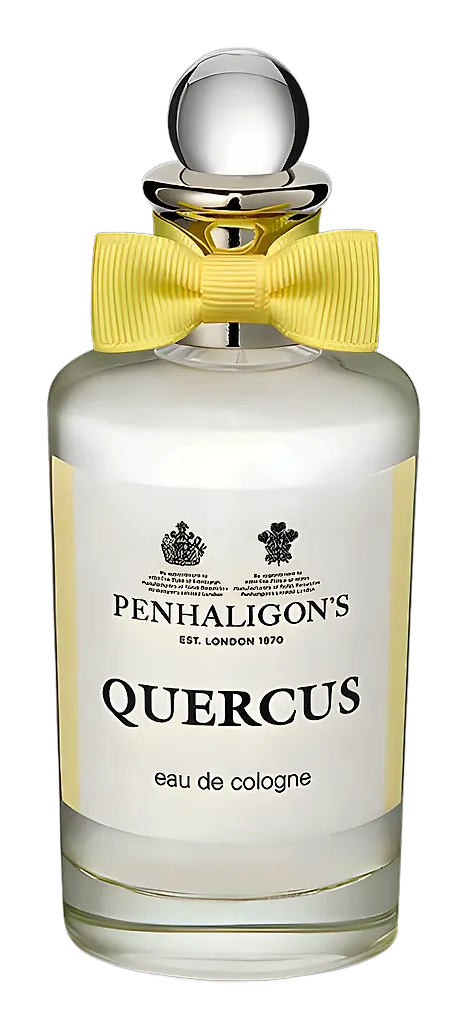
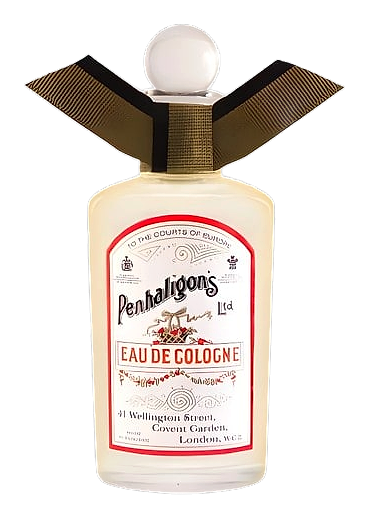
Penhaligon's Eau de Cologne arrived in 1927. The brief was simple: neroli at the center, citrus braced around it, rosemary to keep it from drifting sweet. It reads as a cologne that knows its place in a grooming rotation and doesn't reach beyond it. A splash, considered rather than doused. Neroli takes the lead from the first press of the atomizer, with citrus cutting bright and clean around the edges. The rosemary works quietly underneath, threading a dry herbal note through the orange blossom so the whole thing stays crisp and never tips into the syrupy territory that orange blossom so easily falls into. It's the kind of fragrance that earns a spot on a shelf because it does one thing well and does it without fuss.
What makes the formula worth a second look is the neroli treatment. The bitter orange blossom holds the structure from first spray to final fade, which is unusual for a cologne built on ephemeral top notes. Rosemary does the quiet work underneath, keeping the neroli from tipping into sweetness the way so many orange-blossom compositions do. The result is a composition that behaves like a cologne structurally but reads closer to a neroli soliflore on skin.
The evolution
On skin the arc is short and clean. The opening minutes are bright and bracing: lemon and bergamot hit like cold water on a warm day, the rosemary threading through with a dry, herbal edge that stops the citrus from reading synthetic. Quickly the neroli rises and takes the lead. This is where the fragrance lives. The orange blossom has that specific bitter-green quality, leaning toward the petitgrain side of the flower rather than the honeyed, indolic side. It holds steady for the first stretch of wear, slowly losing its sparkle but never quite fading. As the hours pass, what's left is a soft neroli trace and the faintest suggestion of rosemary still clinging to warm fabric. It doesn't transform into something else. It just gets quieter, pulling closer to skin with each hour until it's barely a whisper of its earlier self.
Cultural impact
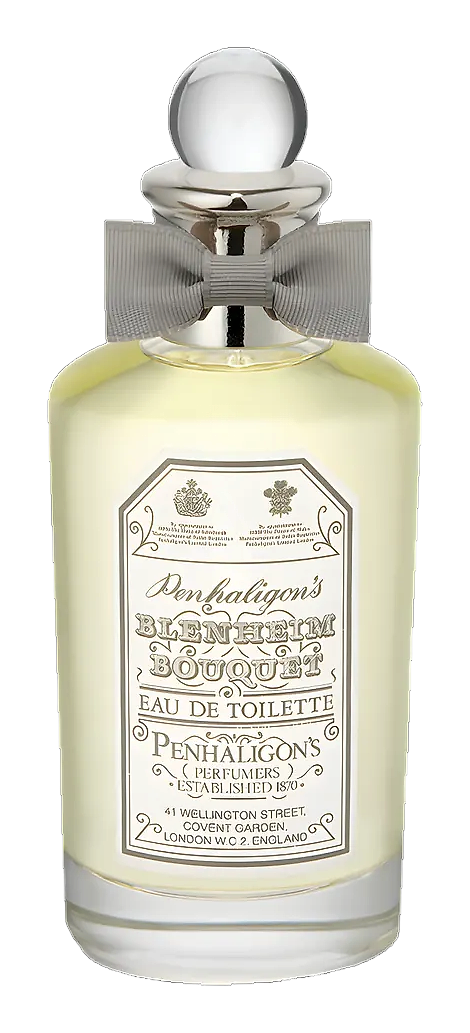
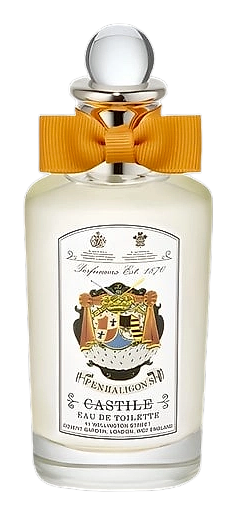
Within the Penhaligon's lineup, Eau de Cologne occupies a particular position between Blenheim Bouquet and Castile. Sources note that the Apicius review places it in this comparative context, where the greenness of Blenheim and the fuller neroli statement of Castile frame where Eau de Cologne sits on the spectrum. Wearers and reviewers tend to describe it as the most classically restrained option in the range, and that perception has shaped how the fragrance is discussed in fragrance circles.