The Story
Why it exists.
The beginning
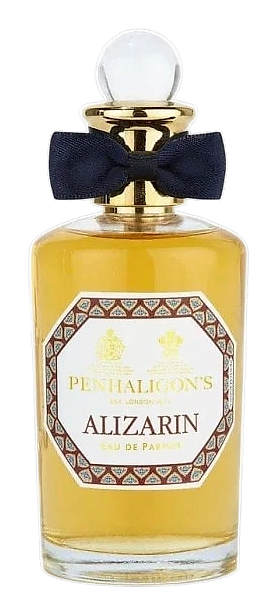
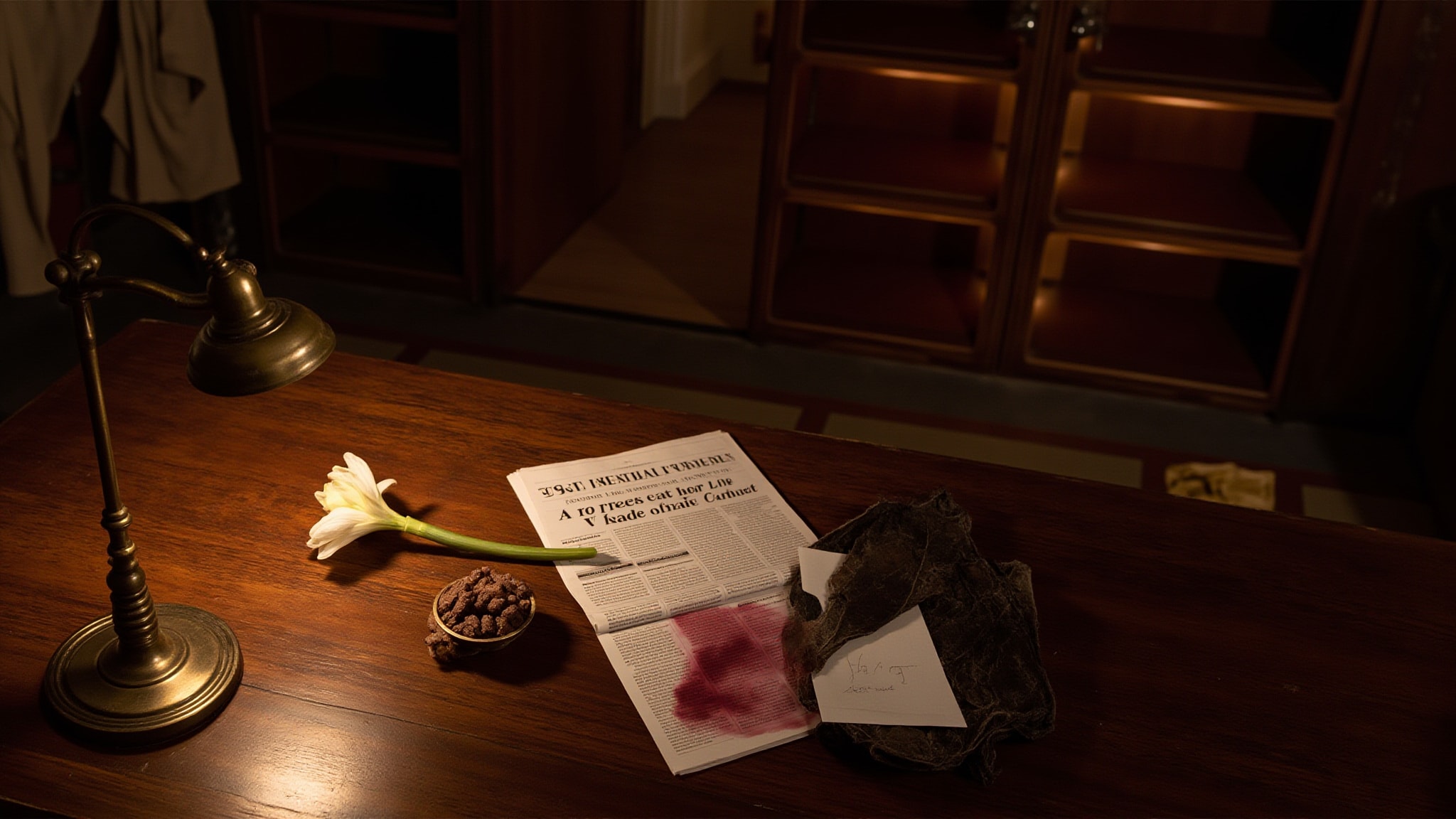
Alizarin is part of Penhaligon's Trade Routes collection. Christian Provenzano composed it in 2016, and the result doesn't shout its heritage or its influences. It just sits in the room looking like it owns the lease. The name itself is borrowed from a pigment: alizarin crimson, the deep red dye once extracted from madder root and prized by painters for its richness and permanence. That color lives somewhere inside the fragrance, in the resin-stained warmth of the base, in the way leather and oud hold their shape long after the lighter notes have gone. The opening is brighter than you'd expect, with a quick flicker of spice and citrus peel that cuts through before settling into the heart.
What makes this composition work is the tension between Provenzano's heavier materials and the deceptively delicate heart. Mimosa and iris do quiet, powdery work underneath, while tuberose adds a creamy weight that keeps the florals from feeling brittle. The narcissus in the opening is the wild card: it brings a green, almost metallic sharpness that pushes back against the sweetness. Without it, the leather and oud would dominate too early. With it, the whole thing breathes. The frankincense ties it back to the Trade Routes concept without veering into incense-shop territory. It's measured, smoky rather than liturgical.
The evolution
The first fifteen minutes are the most contentious. Mandarin orange gives a brief, almost polite brightness, and then narcissus crashes in, bringing that green, slightly bitter edge. Leather arrives underneath, and the two materials spend the opening arguing. It's not smooth. Some people call it screechy. The trade-off is that nothing about this fragrance feels generic or forgettable. By the thirty-minute mark, the dispute settles. Tuberose thickens the air, mimosa softens the edges, and iris adds its dusty, powdery hush. The heart phase lasts a long two to three hours, and this is where most people fall in love or decide it's not for them. The florals here are warm, weighted, never innocent. The drydown is where Alizarin earns its reputation. Oud and leather settle into something close and animalic, vetiver's dry rootiness cutting through the richness, frankincense adding a faint church-pew smokiness in the background. Eight to ten hours in, what's left on skin is a low hum of leather and resin, intimate enough that only someone leaning in close will catch it.
Cultural impact
Alizarin wears like the fragrance equivalent of a private library: confident, warm, slightly hermetic. It appeals to people who already know what they like and don't need their cologne to announce them. It's the sort of scent that draws a second comment from someone leaning in rather than passing by, the kind of compliment that arrives half an hour into a conversation when the top notes have receded and the leather-and-oud skeleton has taken over. There's a gravitational pull to it, a low rumble of resin and smoke that settles into fabric and hair and the corners of a room. It doesn't broadcast; it accumulates.