The Story
Why it exists.
The beginning
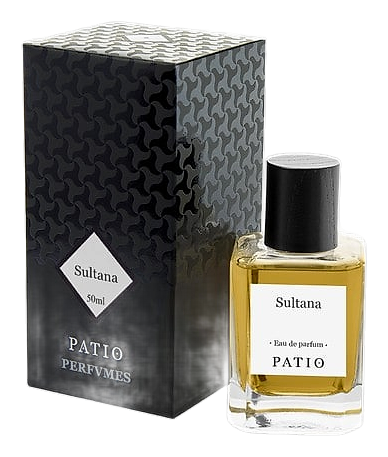
Sultana was composed by Christian Pamies, brand owner and perfumer at Patio. The fragrance takes its name from the legendary figure of the Alhambra gardens, the sultana who presides over Granada from her elevated perch, wise and voluptuous, glittering with layers the eye can't fully count. Pamies built the scent as an olfactive portrait of her: facets upon facets, east meeting west, restraint undone by warmth. On skin, the opening arrives as a burst of bitter orange and grapefruit, sharp and almost startling, the citrus oils catching light the way citrus always does when it's been cold-pressed rather than reconstructed.
What makes Sultana structurally interesting is its commitment to the full Oriental architecture, citrus, floral, balsamic, woody, ambered, without collapsing into the heavy resin bomb that category usually demands. Bitter orange and grapefruit provide a sharp acidic frame that never fully surrenders, even when the base hits. Frankincense in the top adds the resin note early, a trick that makes the later labdanum feel like a deepening rather than an arrival.
The evolution
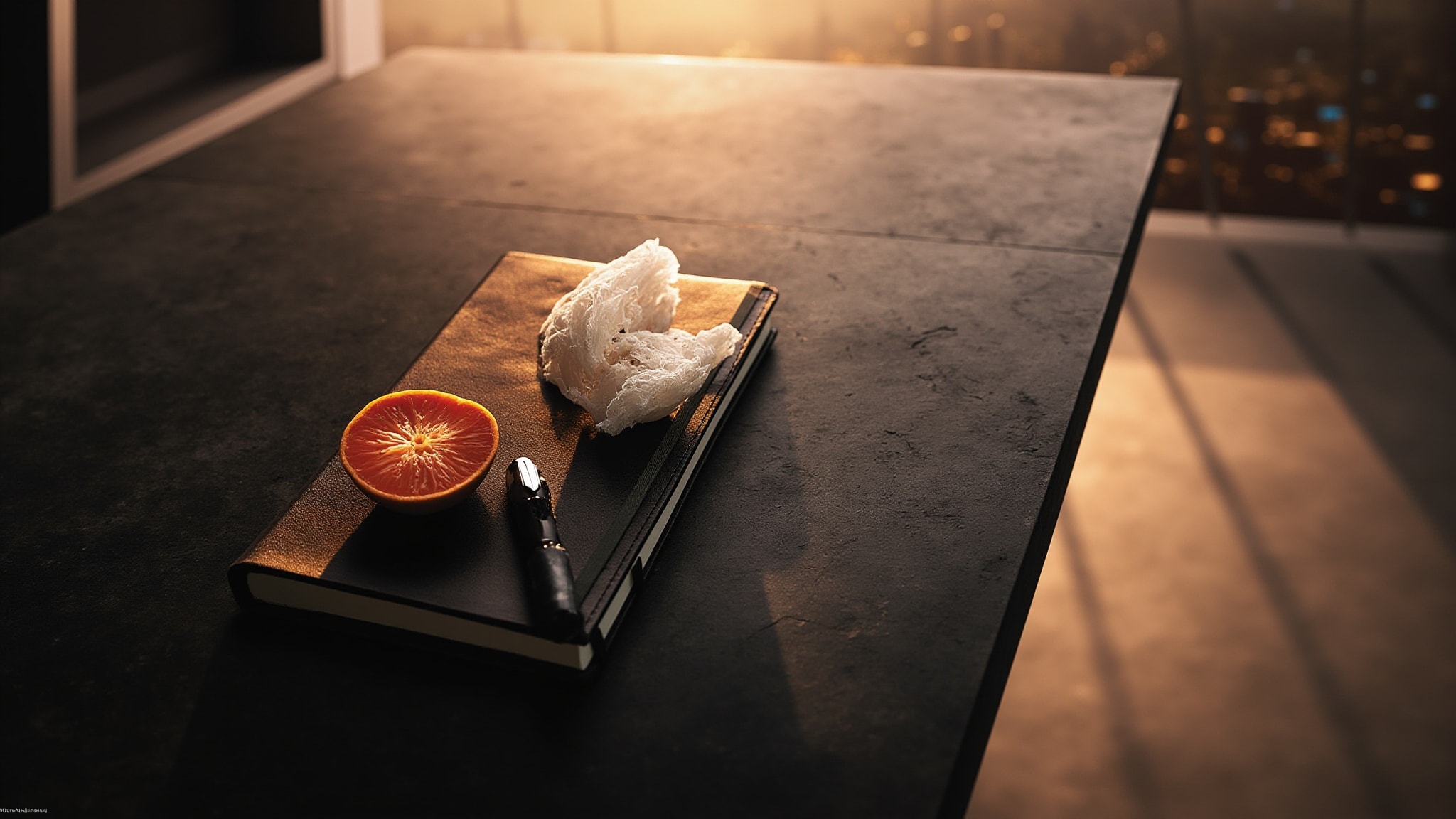
The first fifteen minutes are a controversy between bright and sacred. Bitter orange and grapefruit spark and sting while frankincense swells underneath, turning the air around your wrist slightly smoky and resinous before anything floral has arrived. It's the scent of sun-warmed stone and bitter citrus terraces, the faint hush of incense drifting in from somewhere you can't quite locate. The citrus reads almost edible at this stage, the orange particularly, with that characteristic pithy bitterness that fresh-peel citrus oils carry, before the grapefruit's sharper edge cuts through. By the half-hour mark the heart takes over. Rose rounds out the bitter citrus, jasmine adds a creamy warmth, and iris powders the edges, softening every angle. The frankincense doesn't disappear; it just gets dressed, moving from a smoky overture to a quieter thread running beneath the florals.
Cultural impact
Sultana sits within Patio's portfolio as a fragrance that draws on the cultural and historical resonances of Granada, its name evoking the Alhambra gardens and the layered history of southern Spain. The fragrance reads as deliberately classical in its Oriental architecture, committing fully to the citrus-floral-amber-woody progression that defined the category long before the current niche landscape existed. For wearers, it functions as a scent of place, evoking gardens and stone, warmth and shadow, a register of sensual sophistication that doesn't announce itself.
The House
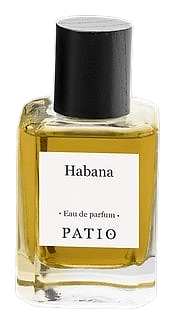
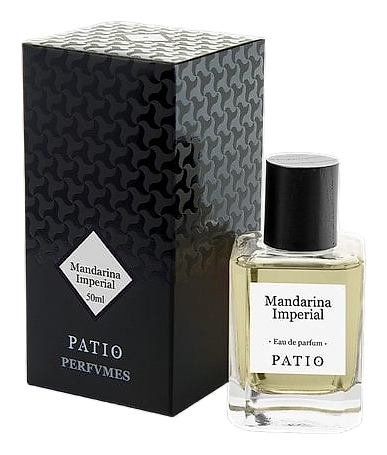
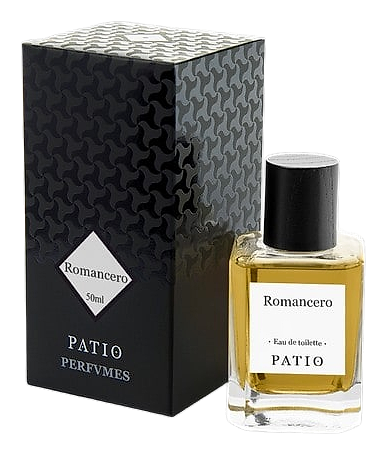
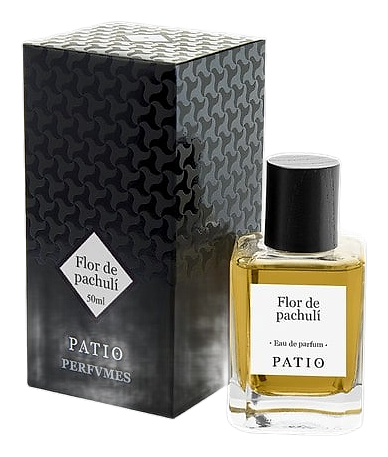
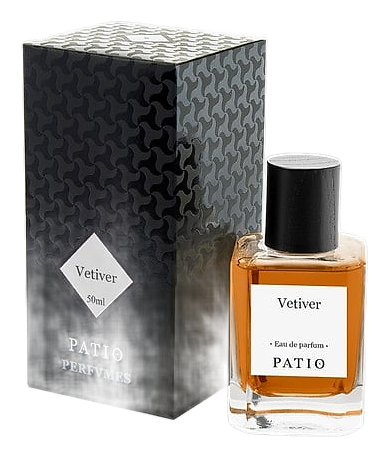
PatioPatio is a niche fragrance house rooted in Spain, founded by Christian Pamies and Valérie Sabini with a dedication to haute parfumerie. The brand operates concept retail boutiques called Patio de los Perfumes, one set within a 17th-century Renaissance palace at the foot of the Alhambra in Granada. Its collection draws heavily on Iberian and Mediterranean references, with compositions like Mandarina Imperial, Habana, Romancero, and Flor de Pachulí reflecting a palette shaped by Spanish culture, landscape, and raw material traditions.
The Creator
Christian PamiesThe signature reads botanical-first and ingredient-loyal. Pamies gravitates toward Mediterranean and tropical raw materials that connect to his training and to the HÉVÉA identity, treating latex-yielding plants and aromatic species with equal seriousness.