Christian Pamies
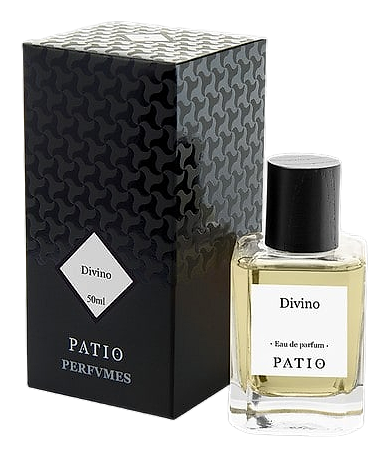
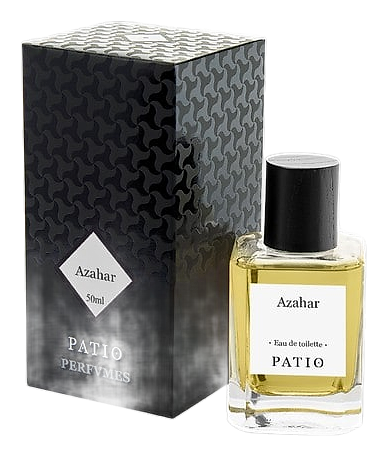
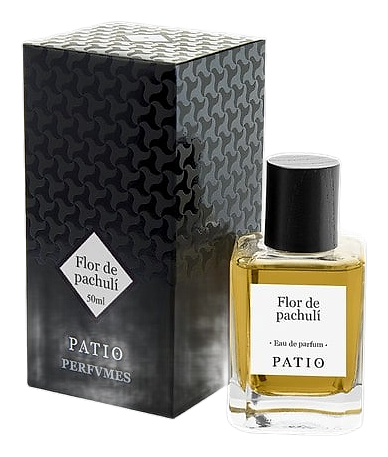
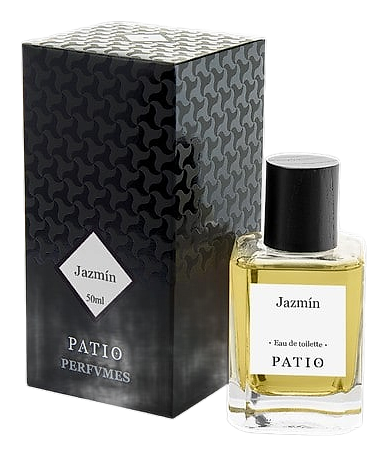
Christian Pamies comes from Grasse, the Provençal town that has trained more perfumers than anywhere else on earth, and where the fragrance industry still hums alongside the jasmine fields. He co-founded Laboratoire HÉVÉA with Valérie Sabini, a cosmetics specialist, building the maison around botanical rigor and certified standards (ISO and BIO certifications) before launching the consumer brand PATIO. His title, ethno-botanist perfume maker, signals the unusual path he took into the field: rather than entering through one of Grasse's traditional compounding schools, Pamies built his practice from plant studies, working with raw botanical material first and composition second. That ordering matters. Every HÉVÉA creation carries his signature, and the catalogue has grown to roughly fifty-one compositions without compromising the slow, specimen-driven pace that defines the laboratory.
The hits
Notable creations
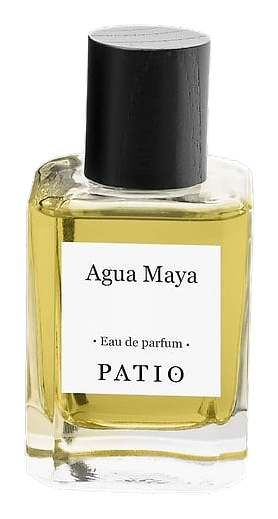
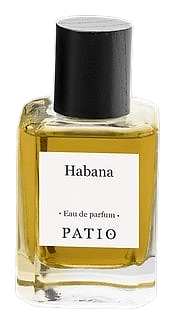
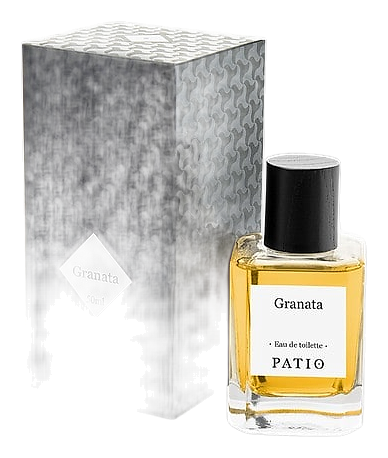
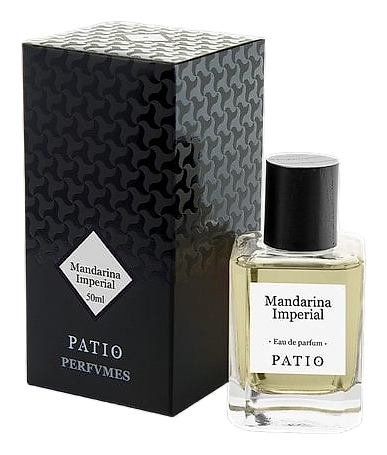
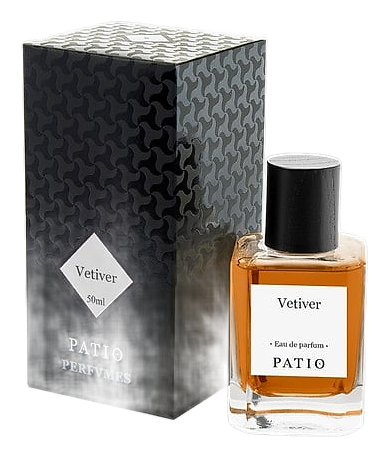
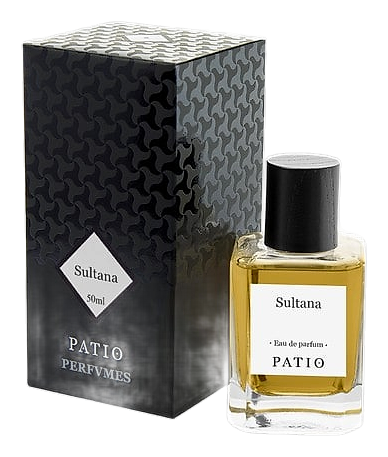
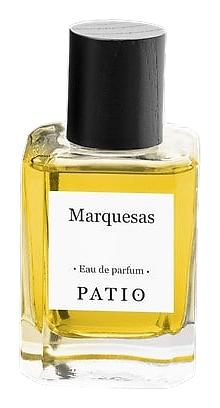
The signature
How Christian composes
The signature reads botanical-first and ingredient-loyal. Pamies gravitates toward Mediterranean and tropical raw materials that connect to his training and to the HÉVÉA identity, treating latex-yielding plants and aromatic species with equal seriousness. Compositions tend to unfold slowly, foregrounding a true-to-source rendition of a specific botanical rather than a kaleidoscopic blend. He favors natural isolates and certified organic fractions where the maison's standards allow, letting terroir speak. The result is a catalog with a clear through-line: clean, green-leaning, often slightly resinous profiles that feel closer to a distillate than a constructed accord.
Philosophy
What drives Christian
Pamies treats perfumery as a continuation of ethnobotany rather than a departure from it. Sourcing is foundational: every botanical ingredient must trace cleanly to its origin, and the ISO and BIO certifications that govern the laboratory are not marketing choices but working constraints. He prefers to study how a plant has been used, smelled, and named across cultures before deciding where it sits in a formula. The ambition is compositions that feel rooted, that smell as if they could only have been assembled in Grasse by someone who walks the surrounding hills regularly. Scarcity, transparency, and a refusal to approximate nature with synthetic shortcuts define the brief he writes for every project.
The houses