The Story
Why it exists.
The beginning
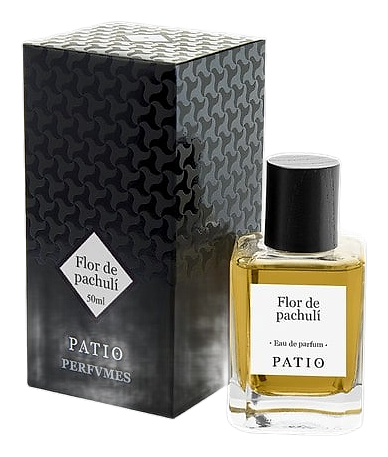
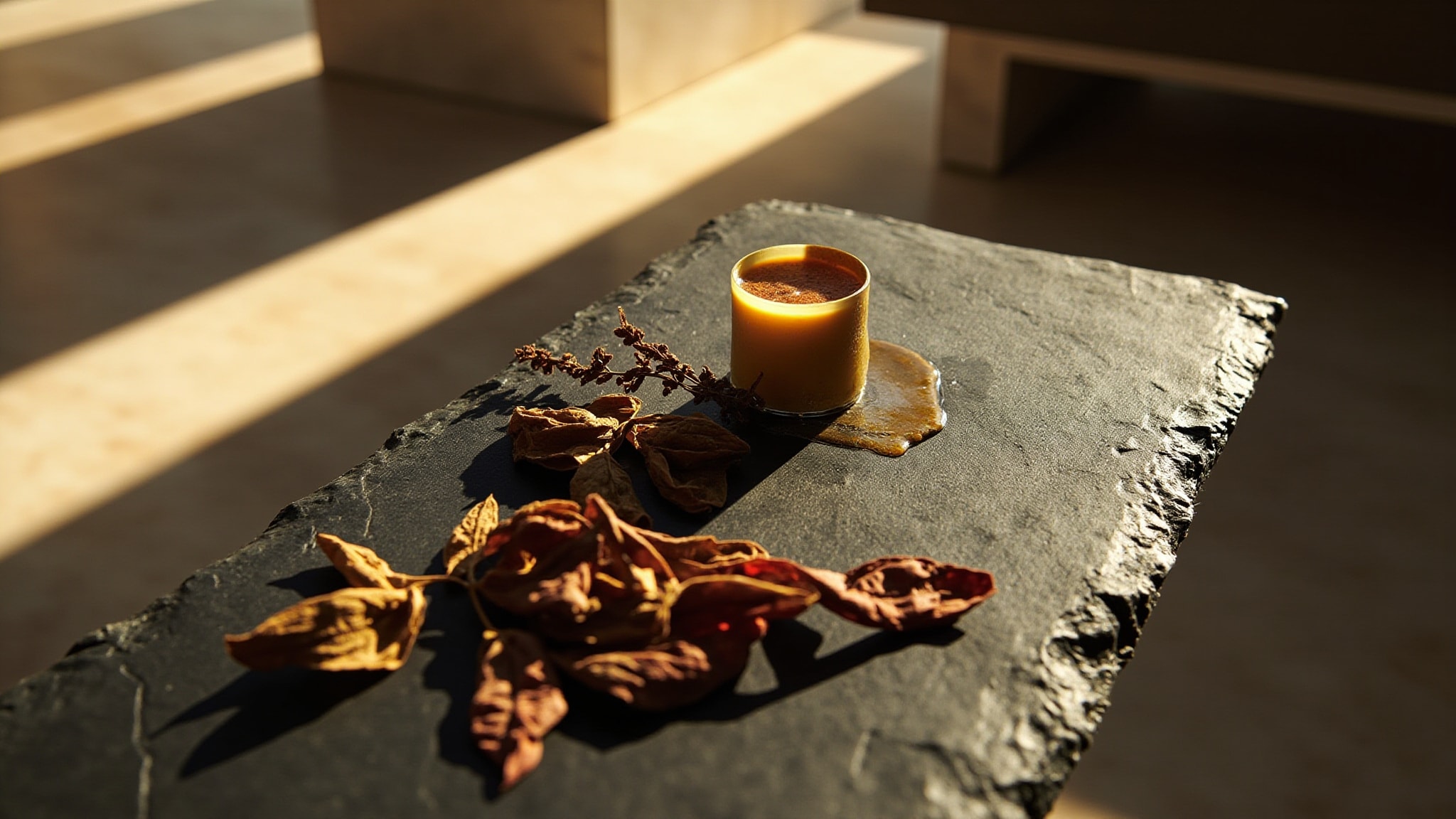
Flor de Pachulí takes its name literally. 'Flower of patchouli' in Spanish, and the composition lives up to the billing: patchouli as protagonist, not afterthought. Christian Pamies composed it for Patio as a tribute to the raw material itself, the broad-leafed Indonesian herb aged in barrels to bring out its spicy, earthy, almost powdery depth. The fragrance frames that material without disguise, letting the herb's full range speak through a structure of red thyme, chili pepper, jasmine, woods, and amber.
Patchouli is one of perfumery's most loaded materials. It carries the cultural weight of the 1960s counterculture, but its roots go deeper than any decade. Aged properly, the oil reveals layers most compositions flatten: a dry, almost mineral earthiness beneath the familiar sweet-woody surface. Pamies leans into that complexity by stripping away the usual supporting cast of vanilla, tonka, or fruit. Here, patchouli sits against thyme and chili for herbal sharpness, jasmine for a touch of floral lift, and amber for warmth. Nothing sweetens the deal. The result reads more like a portrait than a perfume built for mass appeal.
The evolution
The first ten minutes are a controlled fire. Red thyme and chili pepper hit the skin with herbal sharpness and a peppery heat that prickles at the back of the throat. It smells green, almost medicinal, like crushed leaves in summer sun. Then jasmine surfaces, not soapy or sweet but indolic and dusky, threading through the herbs like smoke. The patchouli arrives next, and it arrives heavy. Not the clean, transparent version found in lighter compositions. This is the aged, full-bodied kind, dense and dark, carrying its own sweetness without any help. Amber and woods settle underneath, warm and resinous, grounding the whole arc. By hour three, the chili has mostly burned off and what's left is that earthy, almost dusty patchouli wrapped in amber. On skin, it holds close. On fabric the next morning, the drydown reads softer, almost meditative, the thyme long gone and the patchouli finally at rest.
Cultural impact
Flor de Pachulí offers something rare within the patchouli landscape: a version of the note that asks to be taken seriously on its own terms, without apology or ornamentation. The fragrance commits fully to patchouli's earthy, slightly bitter, unmistakably soil-stained character, building around it rather than layering sweetness on top to soften the edges. What surrounds the central note is a careful architecture of supporting materials, citrus brightness to lift the opening, herbal coolness to sharpen the mid-phase, and warm resinous undertones that anchor the drydown.
The House
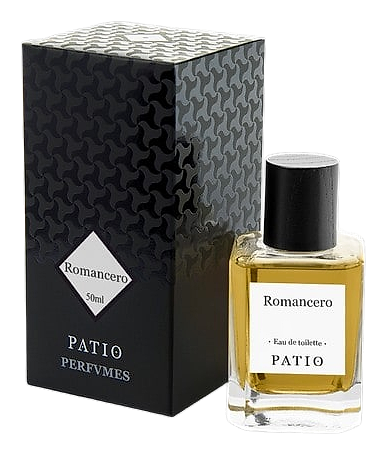
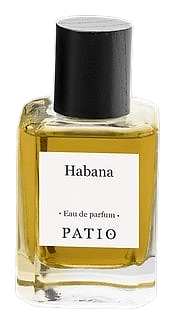
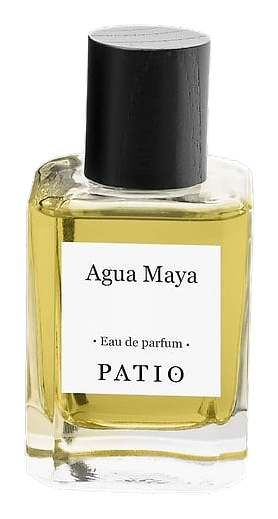
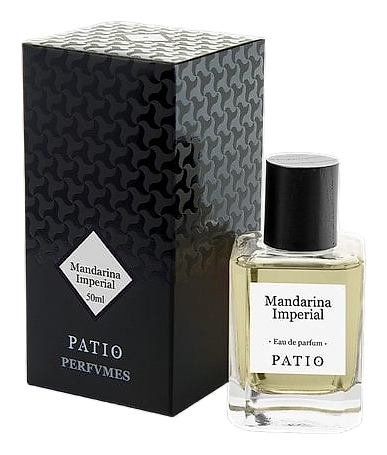
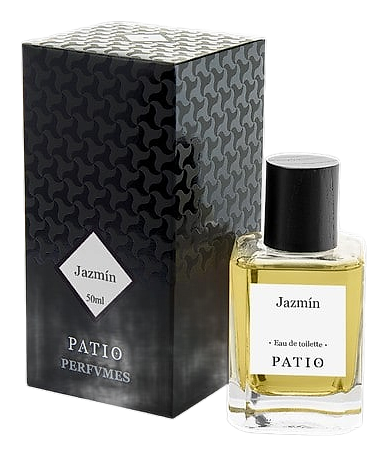
PatioPatio is a niche fragrance house rooted in Spain, founded by Christian Pamies and Valérie Sabini with a dedication to haute parfumerie. The brand operates concept retail boutiques called Patio de los Perfumes, one set within a 17th-century Renaissance palace at the foot of the Alhambra in Granada. Its collection draws heavily on Iberian and Mediterranean references, with compositions like Mandarina Imperial, Habana, Romancero, and Flor de Pachulí reflecting a palette shaped by Spanish culture, landscape, and raw material traditions.
The Creator
Christian PamiesThe signature reads botanical-first and ingredient-loyal. Pamies gravitates toward Mediterranean and tropical raw materials that connect to his training and to the HÉVÉA identity, treating latex-yielding plants and aromatic species with equal seriousness.