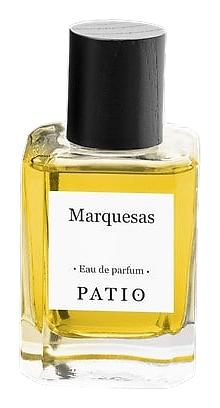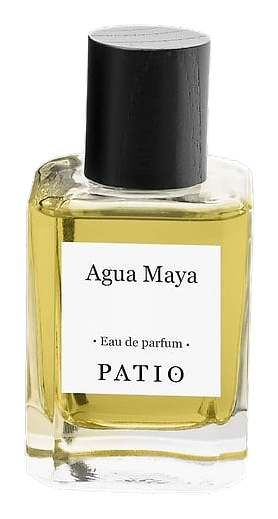
The Story
Why it exists.
The beginning
Agua Maya draws its name from the Maya civilization, those astronomer-navigators whose observations of the night sky produced one of the most sophisticated cosmological systems the world has known, a lineage still studied, still referenced, still relevant. The fragrance belongs to Patio's Nuevo Mundo collection, a series dedicated to the materials, rituals, and raw exchanges that flowed between the Old World and the civilizations of the Americas. The collection gathers ingredients whose uses reach back centuries, substances traded, burned, and consumed long before any European ship appeared on the horizon. Copal, the resin that Patio notes simply as 'copal that we burn.' Tobacco, the sacred leaf, listed in the brand's own materials.
What makes Agua Maya unusual is how seriously it treats its resin. Copal, a material more often relegated to supporting roles in contemporary perfumery, takes a position of real importance in the composition, and it carries the smoky character of resin actively burning, dense and unmistakable rather than a mere accent. The tobacco adds a dry, leaf-sweet warmth without the cloying sweetness of sweetened tobacco accords. Cacao enters at the heart, and crucially it stays bitter, unsweetened, a dark and unsweetened facet that reads closer to raw material than confection.
The evolution
The first ten minutes belong entirely to the smoke, and you need to know that going in. The copal opens with a resinous, bright-smoking intensity, dense and almost atmospheric, the way actual burning copal fills a room when lit and left to smolder. Tobacco joins quickly, dry and warm, and together they create a haze that feels more temple than candlelit dinner. By the thirty-minute mark, the cacao emerges from beneath the smoke. Bitter, dark, unsweetened, it deepens the composition rather than sweetening it, pulling the smoke earthward into something rooted and grounded. Past the two-hour mark, the resins have quieted considerably. What remains is oud, sandalwood, vanilla, and the ghost of cacao clinging to the oud's leather-animal facets. The sillage has pulled in close, intimate, the scent now a private conversation between fragrance and skin.
Cultural impact
Agua Maya is a fragrance that treats its source materials with genuine respect, engaging with the cultural weight of copal, tobacco, and cacao rather than treating them as costume pieces. It appeals to those who appreciate resin-forward compositions and who are drawn to sacred-smoke territory without the full density of church-focused incense orientals. The fragrance has a contemplative character, one that rewards patience and a willingness to sit with smoke and bitterness rather than chasing immediate sweetness.
The House
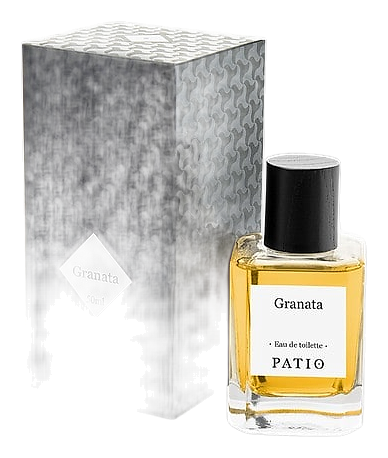
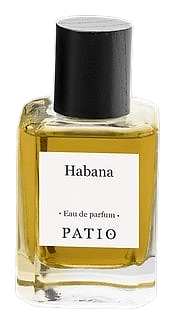
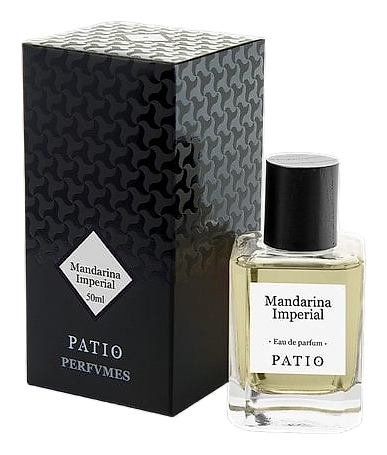
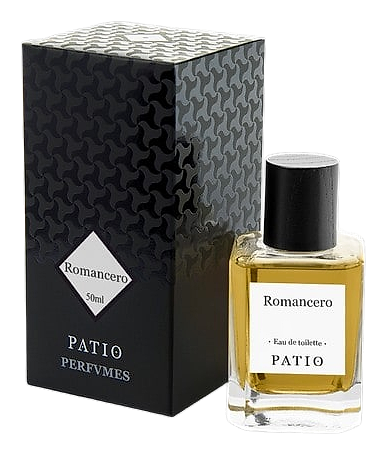
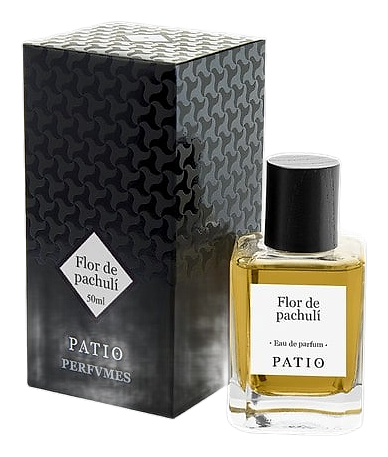
PatioPatio is a niche fragrance house rooted in Spain, founded by Christian Pamies and Valérie Sabini with a dedication to haute parfumerie. The brand operates concept retail boutiques called Patio de los Perfumes, one set within a 17th-century Renaissance palace at the foot of the Alhambra in Granada. Its collection draws heavily on Iberian and Mediterranean references, with compositions like Mandarina Imperial, Habana, Romancero, and Flor de Pachulí reflecting a palette shaped by Spanish culture, landscape, and raw material traditions.
The Creator
Christian PamiesThe signature reads botanical-first and ingredient-loyal. Pamies gravitates toward Mediterranean and tropical raw materials that connect to his training and to the HÉVÉA identity, treating latex-yielding plants and aromatic species with equal seriousness.