The Story
Why it exists.
The beginning
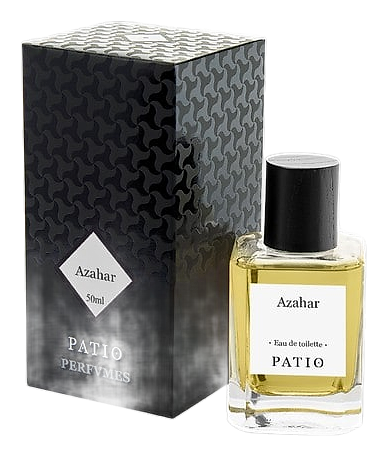
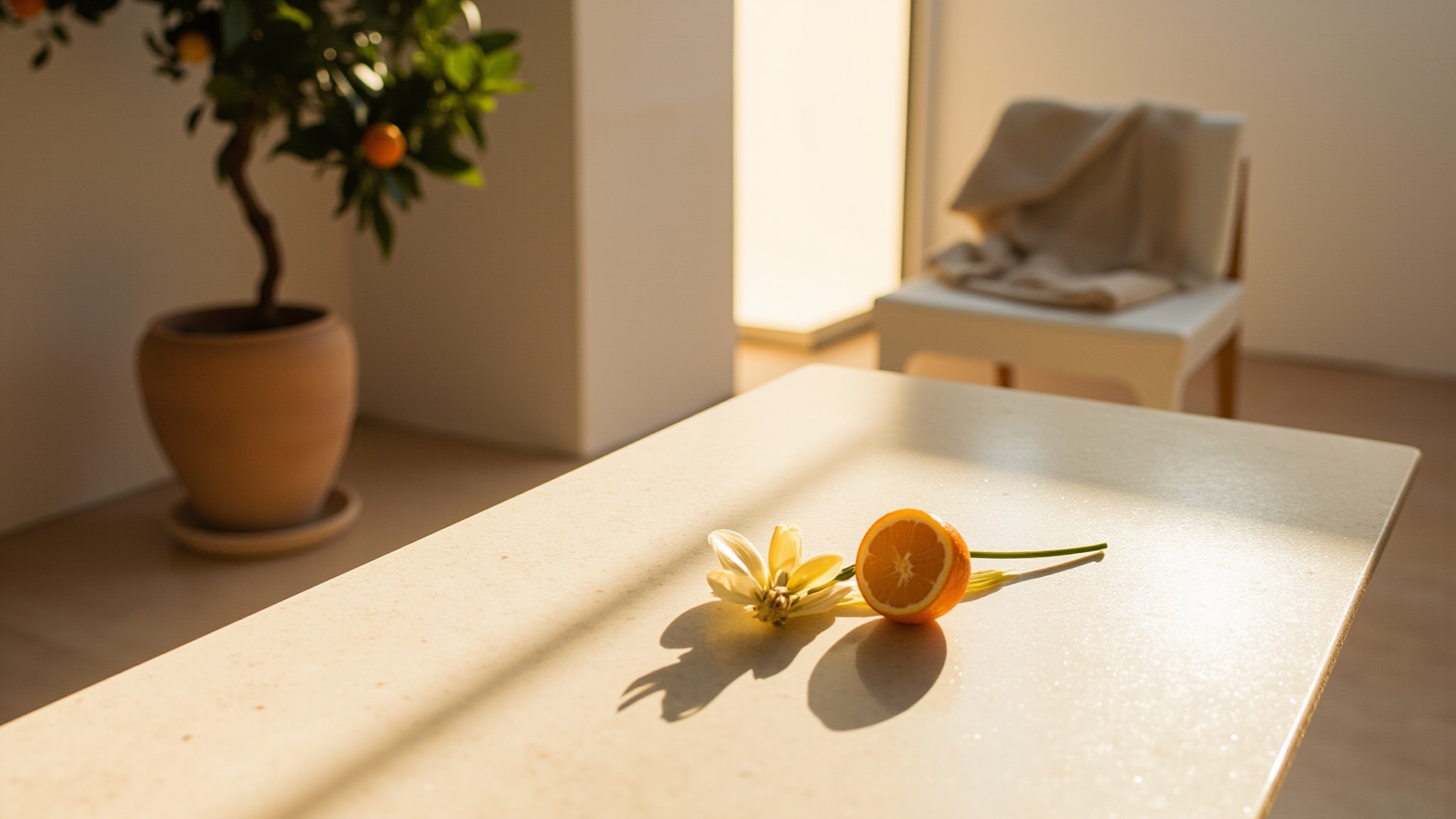
Azahar takes its name from the Arabic word for orange blossom, and the fragrance draws on that flower as its central motif, though it builds a layered composition around it rather than presenting a single note. Perfumer Christian Pamies composed this in 2018 as a direct tribute to the bitter orange groves surrounding Granada, where the sour orange tree is one of Andalusia's most emblematic plants. In early spring, its delicate, almost piercing scent fills the gardens of the Alhambra. The composition is Pamies' attempt to bottle that specific moment: neroli drawn from these gardens, anchored by bergamot at the opening and warmed by amber, sandalwood, and musk at the base, with myrtle threading an herbal resinousness through the heart and a clean linen accord softening the drydown.
What sets Azahar apart from a standard neroli composition is the pairing of orange blossom with Spanish myrtle. Myrtle grows wild across the Mediterranean basin, sprouting in coastal scrubland and on dry hillsides wherever the climate permits. The leaves release a sharp, green scent when crushed, somewhere between eucalyptus and rosemary but greener, with a peppery edge that sits underneath the citrus in a way that feels deliberate and architectural. Pamies uses myrtle to anchor the top of the fragrance, so the orange blossom doesn't float away into soap or cologne territory.
The evolution
The first 15 minutes belong to bergamot and myrtle, sharp and green, almost bracing on skin. Bergamot gives the citrus snap. Myrtle adds an herbal undertone, something vaguely resinous and Mediterranean, like crushed leaves between your fingers. The two materials feel almost like a single chord at this stage, the citrus brightness cutting through the herbal shadow and the herbal shadow keeping the citrus from feeling thin. Then the shift is quick and decisive. Orange blossom arrives within the first 30 minutes and takes over the composition completely. It wears dense and slightly powdery, a substantial presence that fills the space around the wearer rather than hovering at a distance. The aromatic accord underneath keeps it from becoming purely floral, lending a warmth that keeps the fragrance grounded and prevents the orange blossom from tipping into sweetness.
Cultural impact
Azahar wears like a postcard from a place few people have actually visited. The Andalusian context matters. This isn't neroli abstracted into a clean, commercial template. It's neroli from the gardens around the Alhambra, paired with Spanish myrtle, composed by a perfumer who works from Granada. The fragrance is built on regional raw materials from a specific part of southern Spain, and that specificity gives it a character that more generic citrus florals tend to lack.
The House
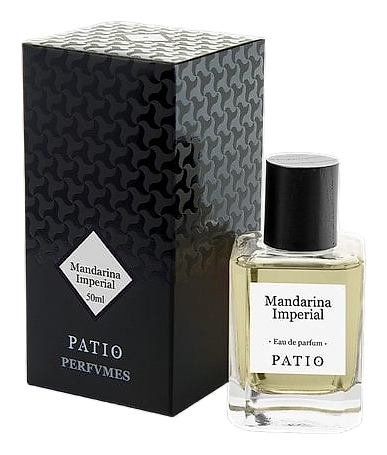
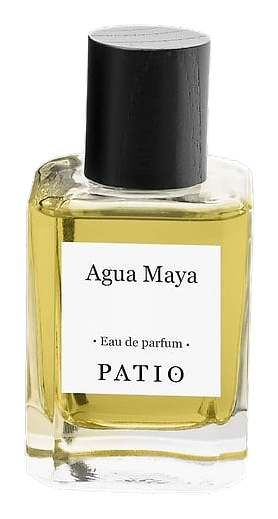
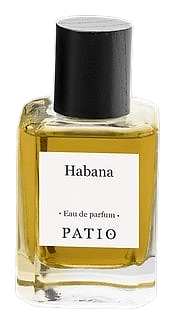
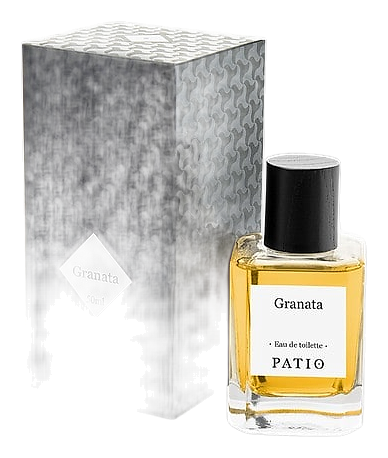
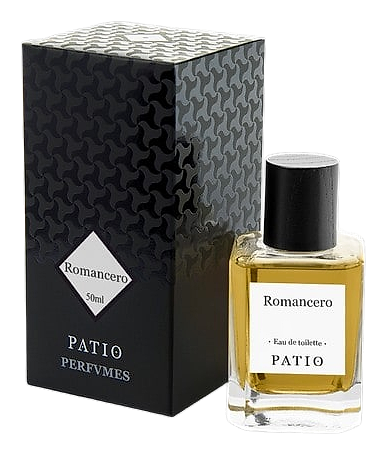
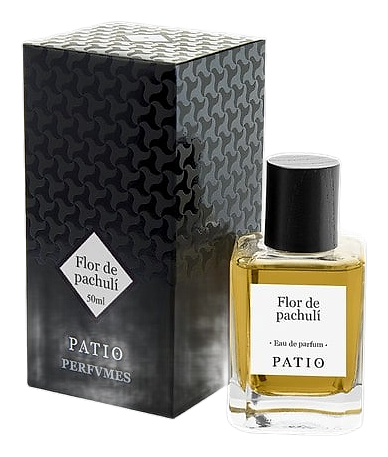
PatioPatio is a niche fragrance house rooted in Spain, founded by Christian Pamies and Valérie Sabini with a dedication to haute parfumerie. The brand operates concept retail boutiques called Patio de los Perfumes, one set within a 17th-century Renaissance palace at the foot of the Alhambra in Granada. Its collection draws heavily on Iberian and Mediterranean references, with compositions like Mandarina Imperial, Habana, Romancero, and Flor de Pachulí reflecting a palette shaped by Spanish culture, landscape, and raw material traditions.
The Creator
Christian PamiesThe signature reads botanical-first and ingredient-loyal. Pamies gravitates toward Mediterranean and tropical raw materials that connect to his training and to the HÉVÉA identity, treating latex-yielding plants and aromatic species with equal seriousness.