
The Story
Why it exists.
The beginning
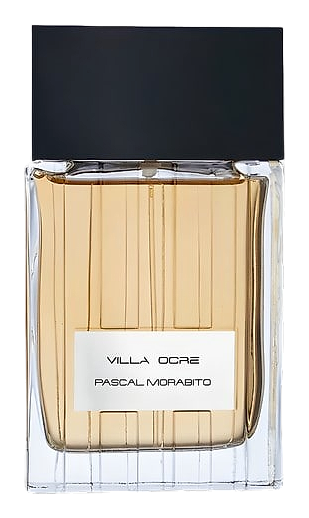
Villa Ocre came out in 2012, composed by Corinne Cachen for the Lieux Magiques, the Magical Places collection at Pascal Morabito. The fragrance was constructed as a woody-amber composition with resinous depth and a citrus edge that never fully surrenders. Cachen built the scent around a clear architecture: a bright citrus opening that yields to a smoky, spiced heart, then settles into a warm, grounded base. The effect is layered and deliberate, each phase handing off cleanly to the next. There's an earthiness underneath the amber that keeps the sweetness honest, and a dry woodiness running through the middle that gives the whole thing structure. It wears close to the skin in its later stages, leaving a warm-dusty trail that lingers without ever becoming heavy.
What makes Villa Ocre interesting structurally is the frankincense-cardamom partnership in the heart. Frankincense usually reads meditative, church-like, static. Cardamom pulls it sideways, gives it breath and bite. The combination sits between the cedarwood scaffolding and the labdanum-tonka base, holding the whole composition in a suspended state, neither fully dry nor fully sweet. The cardamom never overpowers, but it keeps the incense from drifting into pure contemplation, and the frankincense in turn keeps the spice from tipping into something foody.
The evolution
The opening is a quick handshake. Grapefruit, orange, pink pepper all introduce themselves within the first five minutes, bright and just-shy-of-spicy, the kind of citrus that knows it's about to get serious. By the twenty-minute mark, the citrus retreats and cardamom takes the wheel. Frankincense follows close behind, smoky rather than waxy, more like a fireplace draft than a temple censer. Cedarwood runs underneath the whole middle phase, giving it structure. At around the two-hour mark, everything softens into the base: labdanum arrives warm and golden, tonka bean adds a quiet sweetness, and vetiver grounds it with a dry earthiness that keeps the amber from going sticky. The drydown settles close to skin in its later hours, the projection tightening as the hours pass.
Cultural impact
Villa Ocre sits in the Lieux Magiques collection, Pascal Morabito's line of place-inspired compositions. It draws comparisons to incense-cedar compositions like Comme des Garçons Kyoto and shares structural DNA with fragrances like L'Artisan Parfumeur Timbuktu, though it lands warmer and less austere. Fragrantica voters skew toward cooler months, with fall and winter pulling the heaviest weighting, which tracks with the amber-labdanum base and the way the smoke and resin read best in cooler air.
The House
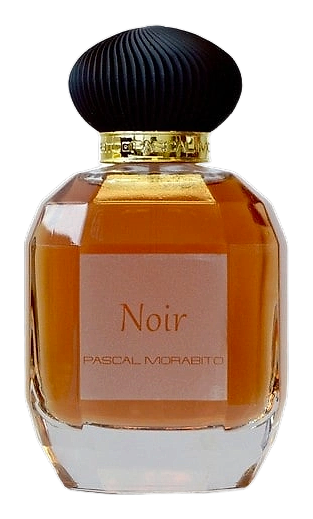
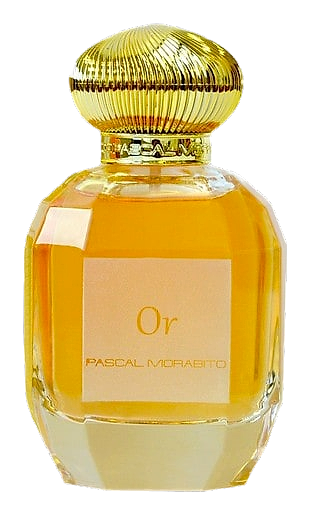
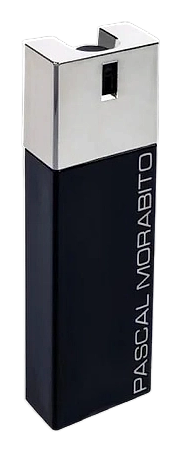
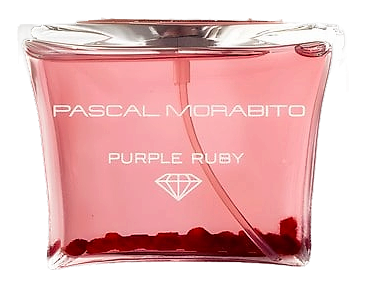
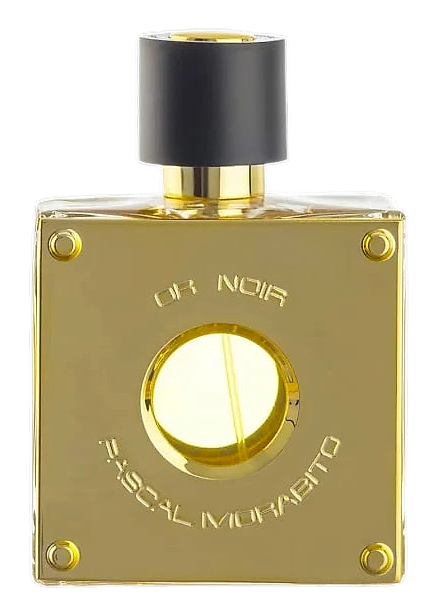
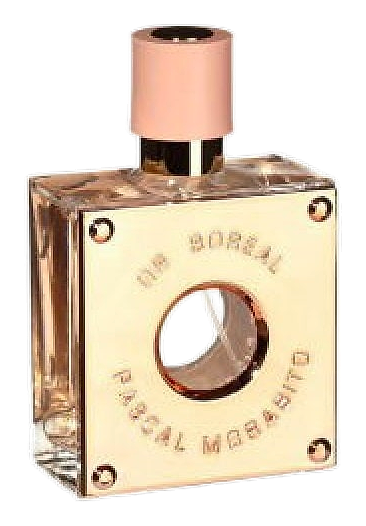
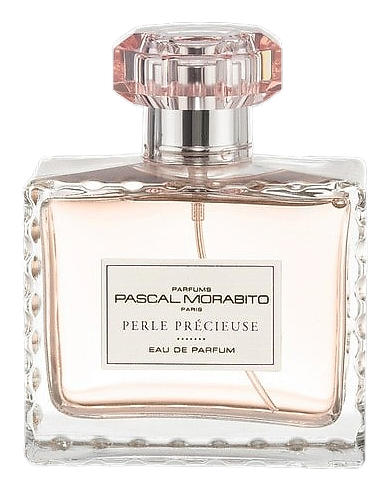
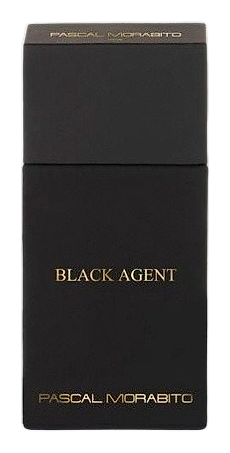
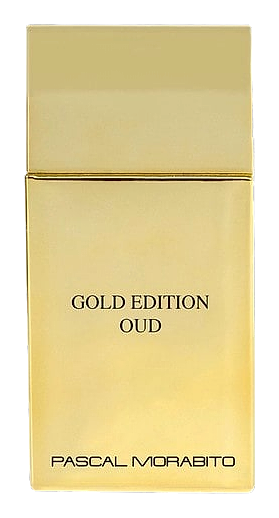
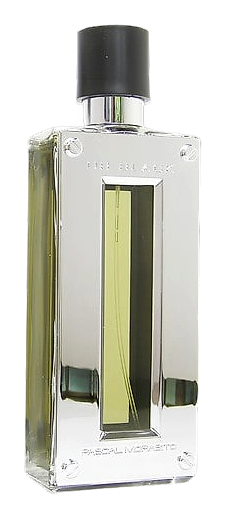
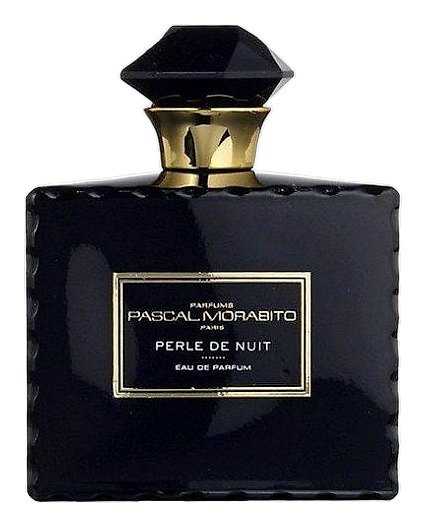
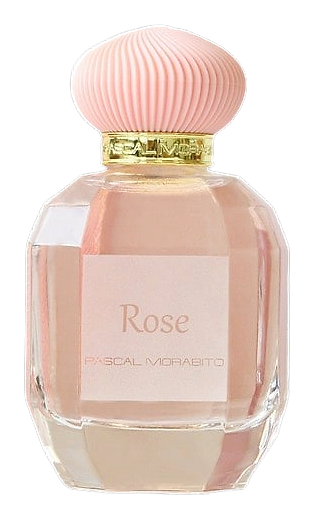
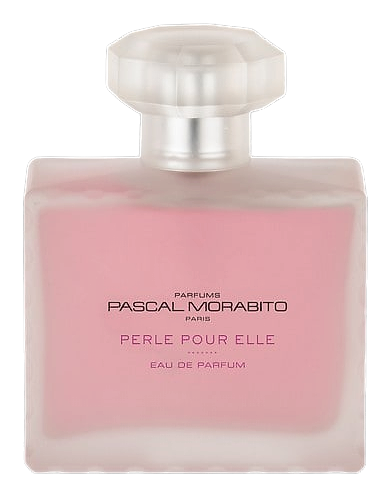
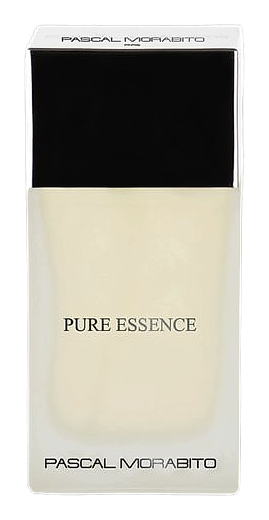
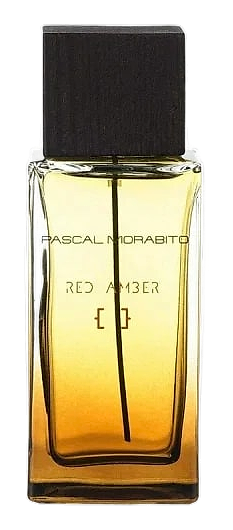
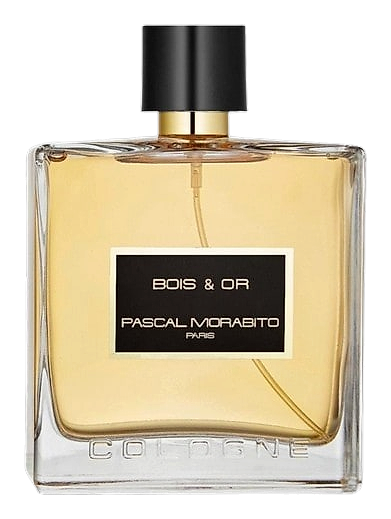
Pascal MorabitoPascal Morabito is a French‑based fragrance house that grew out of a family of Italian goldsmiths in Nice. The brand is best known for turning perfume into wearable art, beginning with the 1980 launch of Or Noir, which the founder describes as the first “jewelry perfume.” Over the decades the line has expanded to include masculine counterparts such as Or Black (1981), sport‑inspired scents like Racing Champion, and Mediterranean‑evoking blends such as Passion Mediterrannee Avec Amour (1997). Each fragrance is presented in a bottle that looks more like a piece of fine jewellery than a conventional container, reinforcing the house’s blend of scent and sculpture.
The Creator
Corinne CachenCorinne favors natural absolutes and transparent synthetics that mimic nature’s own chemistry. She often reaches for rose otto, jasmine absolute, and fine woods such as cedar and sandalwood, pairing them with soft musks that linger without cloying.