The Story
Why it exists.
The beginning
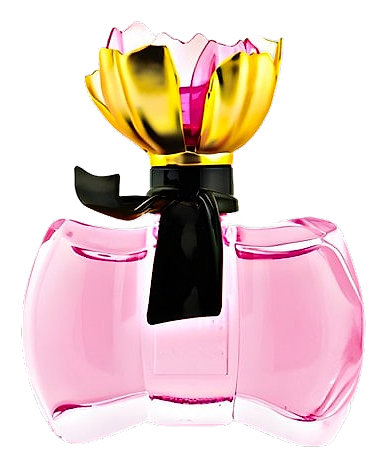
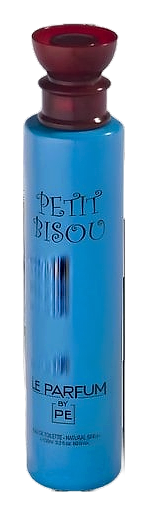
Petit Bisou translates to "little kiss", and that's precisely the gesture Paris Elysees had in mind. The 2011 release was built around the idea of a small, tender moment: something fleeting that imprints anyway. Not a grand gesture, not a declaration. Just the quiet weight of lips meeting briefly in a doorway, or the first time someone close smells like that for you. Paris Elysees approaches each fragrance as a momentary narrative, a short sensory story that captures a specific feeling or scene. For Petit Bisou, that scene was clear: intimate, warm, slightly old-fashioned in the best way. The kind of fragrance that feels like it belongs to a person, not a brand. Chosen for genuine taste, not status display. Worn close, shared only when someone gets near enough to ask. The name itself is the brief. Petit. Small, understated, uninsistent. Bisou. A kiss, a touch, a gesture of affection rather than passion.
What makes Petit Bisou's structure interesting is the way the white florals work as a collective rather than a lineup. Tuberose brings its signature creamy-narcotic weight. Ylang-ylang layers in that unusual combination of sweet, spicy, and slightly fruity. Orange blossom adds the soapy-clean brightness that keeps florals from becoming heavy. Lily of the Valley, delicate and green, threads through to keep the heart from tipping into full opulence. The powdery violet is the quiet connector. It appears early in the top notes and stays through the drydown, giving the fragrance a slightly retro softness that grounds all that white floral richness. Without it, this could be any tuberose-heavy floral.
The evolution
The opening arrives quickly: plum and blackcurrant syrup sweetness, undercut by a cool anise spice that keeps the fruit from being cloying. Violet floats underneath from the start, adding that powdery softness that will eventually become the drydown's signature. Within the first hour, the white florals take over. Tuberose announces itself first, creamy, tropical, slightly heady. Ylang-ylang follows with its peculiar sweet-spicy character. The orange blossom keeps lifting the composition with brief flashes of clean brightness. This is the phase that defines Petit Bisou: full, warm, intimate. The kind of fragrance that sits close to the skin and rewards proximity. The drydown is where the vanilla-tonka-benzoin triad does its work. Sweet, warm, resinous, but the moss intervenes. It keeps the base from becoming purely gourmand, adding an earthy, green undertone that adds depth without drama. The powdery violet persists, creating continuity from opening to close. On skin, the fragrance rewards proximity and lingers through an evening without overwhelming the room.
Cultural impact
Petit Bisou occupies a particular corner of the market: the powdery-floral lover who wants warmth without heaviness. Its combination of tuberose and powdery violet has drawn comparisons to Loulou by Cacharel, a flattering reference for anyone who remembers that era of French fragrance. The 2011 launch placed it in a transitional moment between the heavy florals of the 2000s and the cleaner aesthetics that would follow. Wearers tend to describe it as the fragrance of someone who doesn't need to announce themselves. Intimate projection, warm character, and that persistent powdery violet create something that reads as personal rather than performative. The kind of scent that earns a compliment from someone standing close, not across the room.