


















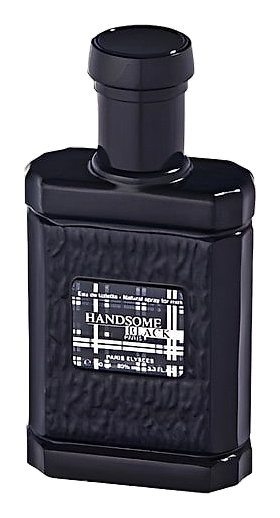
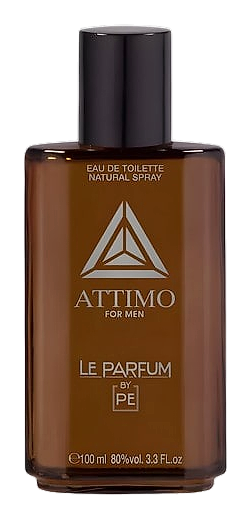
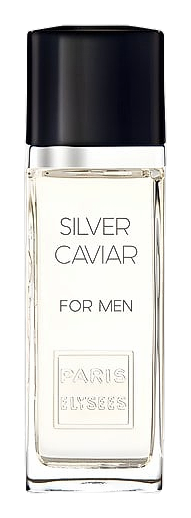
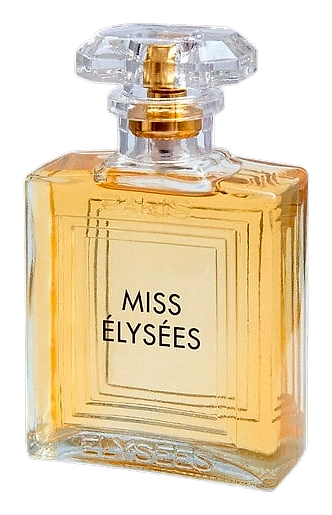
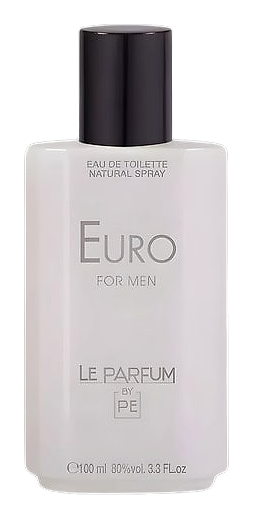
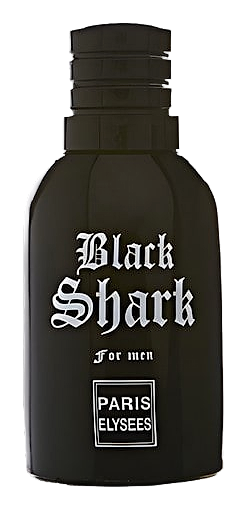
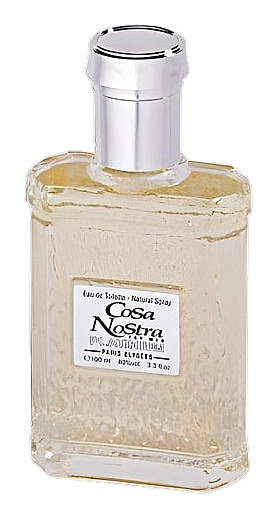
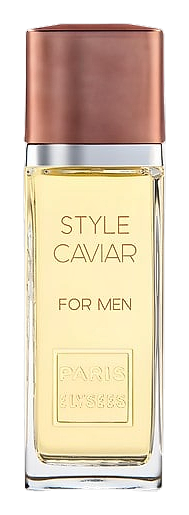

The Heritage
The Story of Paris Elysees
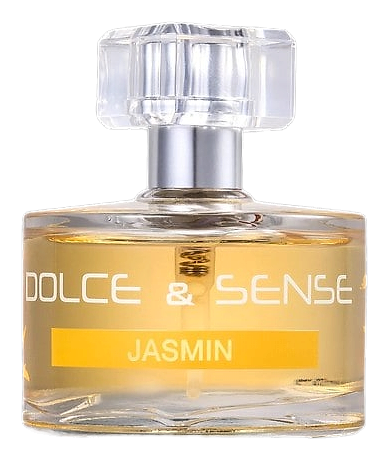
Paris Elysees is a contemporary perfume label that curates its scents from a modest workshop on the historic Avenue des Champs-Élysées in Paris, France. The brand presents a rotating portfolio of limited‑edition fragrances, each launched in small batches and marketed through a boutique‑first approach. Its catalogue includes Dolce & Sense Rose de Damas (2019), Gold Caviar Woman (2025), Romantic Night (2019) and several 2025 releases such as Sweet Mambo and Charm Of A Woman. Paris Elysees positions itself as a bridge between classic French perfumery and modern, experimental olfactory storytelling, inviting collectors to explore nuanced compositions that echo the city’s artistic pulse.
Heritage
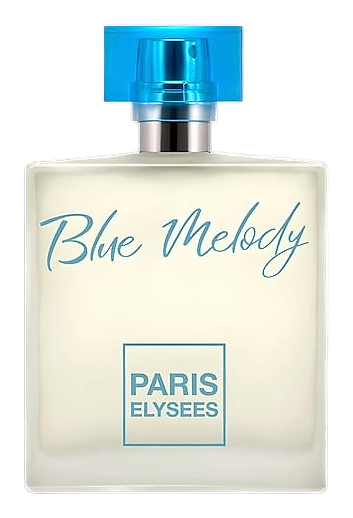
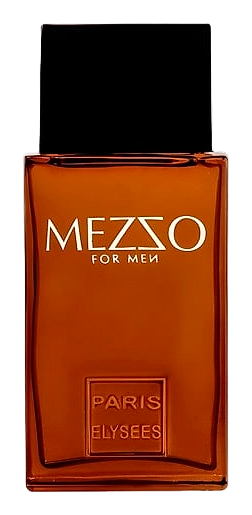
The origins of Paris Elysees trace back to a modest storefront opened on the Avenue des Champs-Élysées sometime in the mid‑2010s, according to business registry listings that record a perfume‑related enterprise at 45 Avenue des Champs‑Élysées in 2016. The founder, whose name does not appear in public filings, is described in local press as a former fragrance consultant who sought to create a platform for emerging noses. The first fragrance, Mezzo, appeared in 2014 under a different label, but the brand’s current identity coalesced with the 2017 launch of La Petite Fleur Secrète, a floral blend that garnered attention in niche perfume circles. In 2019 the house introduced two notable scents—Dolce & Sense Rose de Damas and Romantic Night—both of which were highlighted in specialty fragrance blogs for their balanced use of natural absolutes and synthetic accords. The year 2021 saw the release of Blue Melody, a marine‑inspired composition that incorporated sustainably sourced marine algae extracts, marking the brand’s first explicit sustainability claim. 2022 brought a partnership with a Parisian art gallery, resulting in a limited‑edition bottle design that referenced the gallery’s exhibition on modernist sculpture. By 2025 the label expanded its range with Gold Caviar Woman, Sweet Mambo, Scent Of A Woman and Nautilus, each released in a staggered fashion to maintain a sense of discovery for its clientele. Throughout its development, Paris Elysees has remained a boutique‑centric operation, avoiding mass distribution channels and focusing on direct‑to‑consumer sales through its flagship shop and a curated online portal. The brand’s evolution reflects a broader trend in French niche perfumery, where small houses leverage the prestige of the Champs‑Élysées address while maintaining artisanal production values.
Craftsmanship
Production at Paris Elysees follows a small‑batch model that blends traditional French techniques with selective modern innovations. Raw materials are sourced from both local French growers and vetted overseas suppliers; for example, the rose de Damas used in Dolce & Sense Rose de Damas comes from a Bulgarian farm that holds a GlobalGAP certification, while the marine notes in Blue Melody are derived from algae cultivated in a French coastal laboratory. The house employs a team of experienced perfumers who work in a temperature‑controlled studio, using glassware that minimizes oxidation of volatile compounds. Each fragrance undergoes a three‑stage testing process: an initial aromatic evaluation by the perfumer, a sensory panel review that includes both industry experts and long‑term customers, and a stability assessment that tracks the scent’s evolution over twelve months under varying light and temperature conditions. Ingredients are mixed by hand in stainless‑steel vats, and the final blends are filtered through fine mesh to remove particulate matter before being transferred to the bottling line. Bottles are hand‑filled by trained technicians who inspect each unit for air bubbles and level consistency. The brand sources its glass from a historic French manufacturer in Limoges, known for producing crystal that offers both visual clarity and functional durability. Caps are crafted from brushed aluminum, a material chosen for its lightweight feel and resistance to corrosion. Quality control includes a final olfactory check where a senior perfumer confirms that the finished product matches the original brief. Packaging materials are selected for recyclability, and the brand has introduced a refill program in 2023 that allows customers to return empty bottles for a discounted refill, reducing waste while preserving the original scent profile.
Design Language
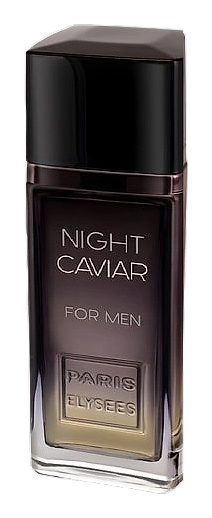
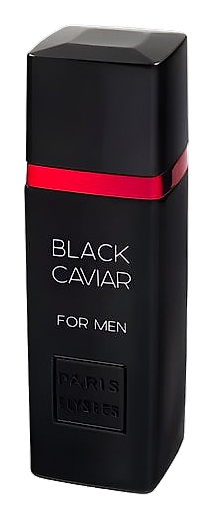
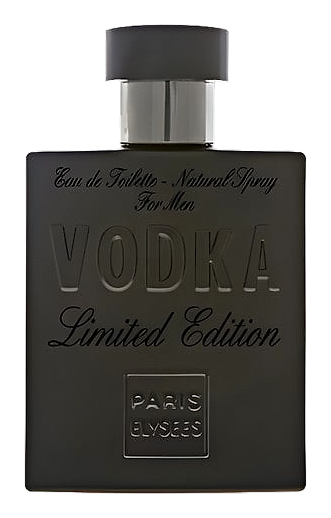
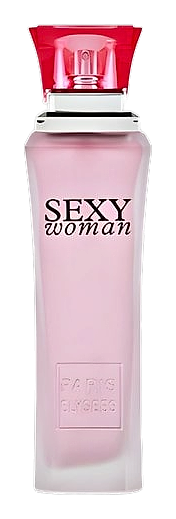
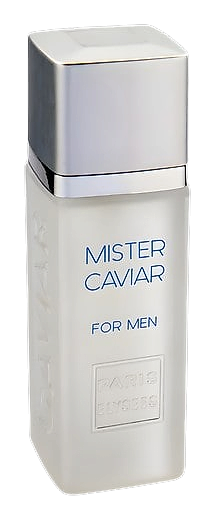
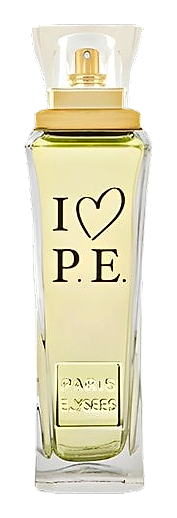
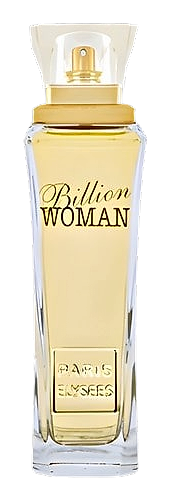
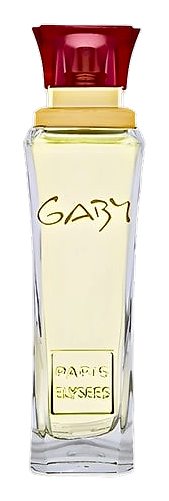
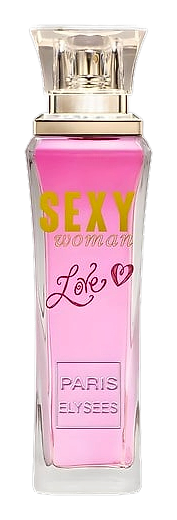
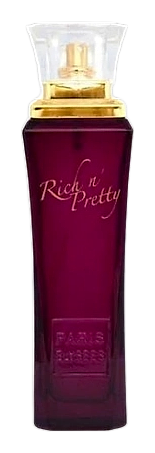
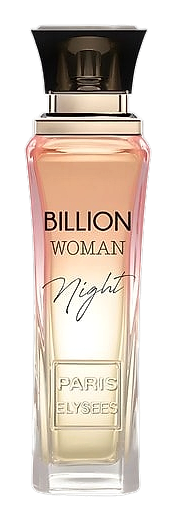
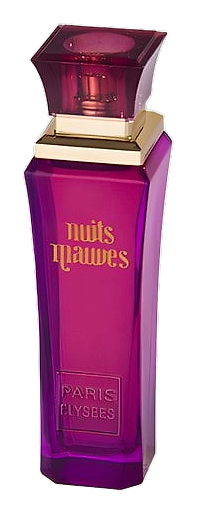
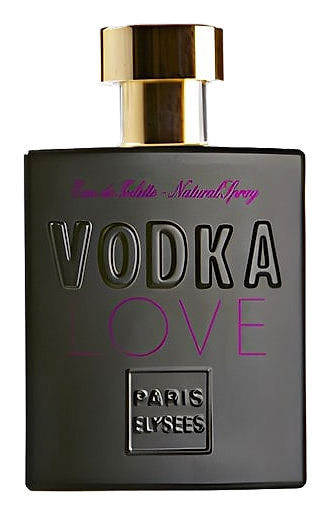
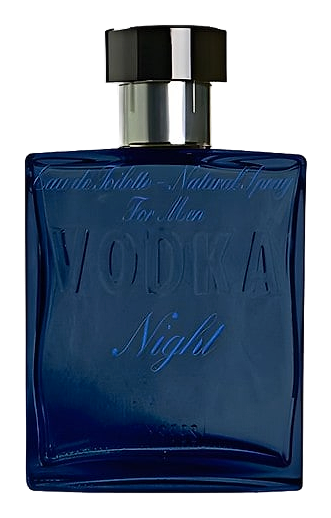
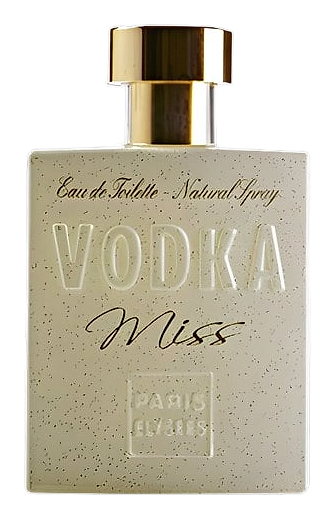
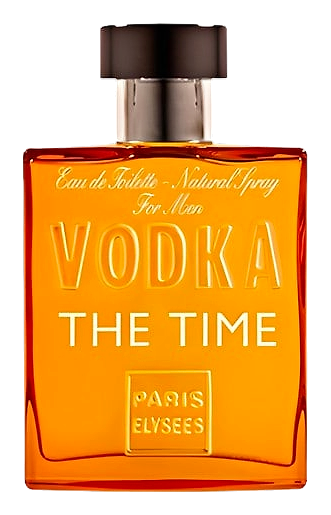
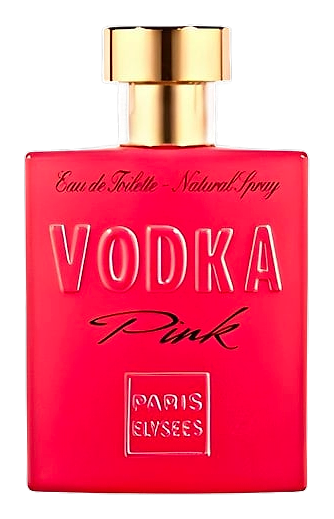
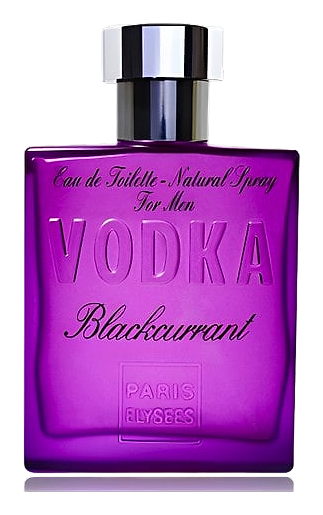
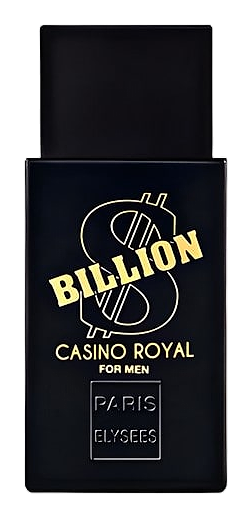
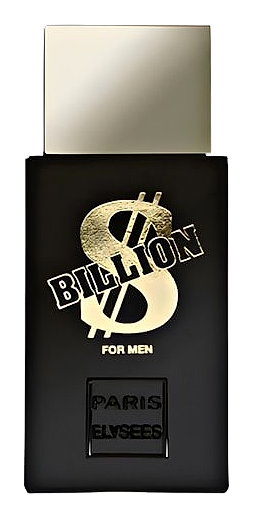
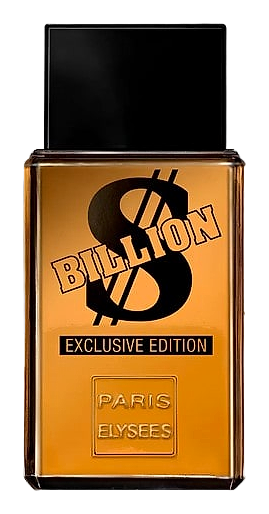
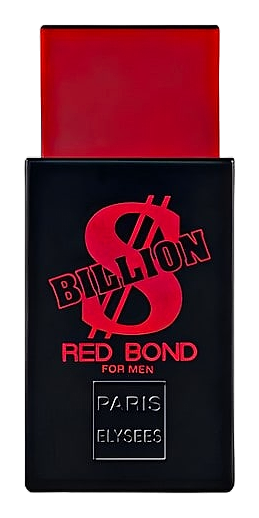
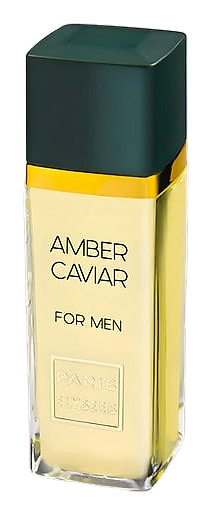
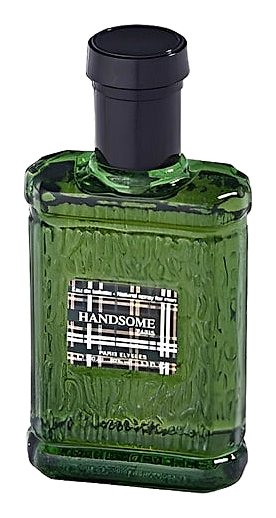
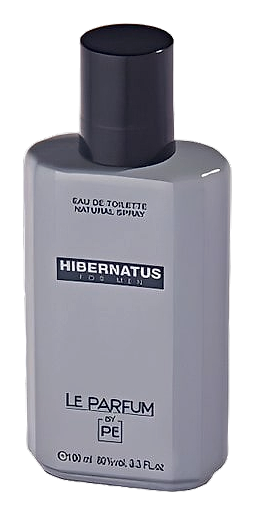
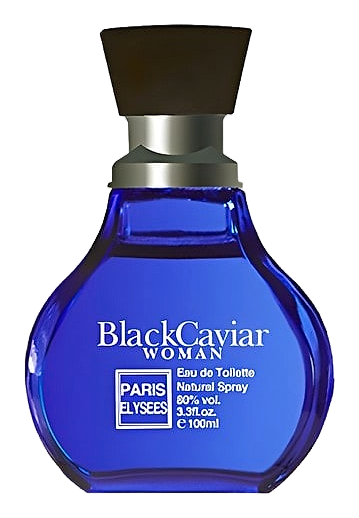
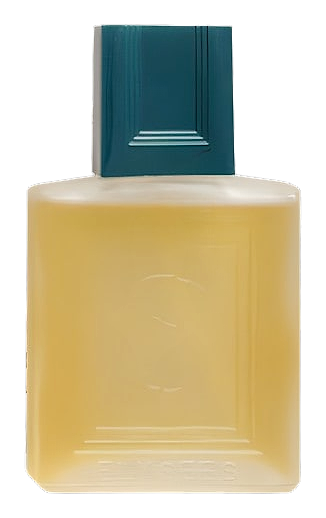
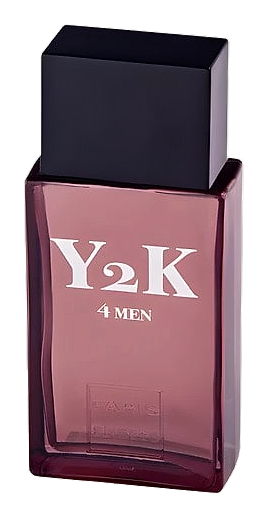
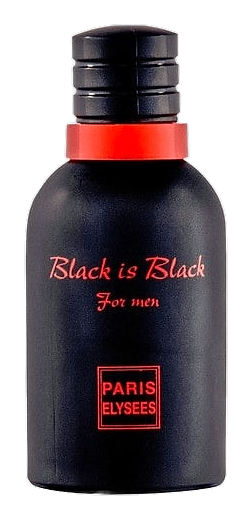
Visually, Paris Elysees embraces a restrained elegance that mirrors the architectural lines of the Champs‑Élysées. Bottle silhouettes are slender and rectangular, echoing the proportions of Parisian apartment windows, while the glass remains clear to showcase the perfume's natural hue. Labels feature a minimalist sans‑serif typeface set against a matte black background, with the fragrance name rendered in gold foil for subtle contrast. The brand’s visual identity extends to its boutique, where polished concrete floors meet warm walnut shelving, creating a space that feels both contemporary and timeless. Lighting is deliberately soft, using warm LED fixtures that highlight the bottles without creating harsh glare. Graphic assets for marketing materials rely on monochrome photography that captures the fragrance in context—a rose petal, a drop of oil, a fleeting cityscape—rather than staged glamour shots. Seasonal campaigns often incorporate hand‑drawn illustrations that reference Parisian motifs such as street lamps or café tables, reinforcing the brand's connection to its locale. The overall aesthetic avoids overt luxury signifiers; instead, it focuses on clean lines, tactile materials, and a sense of quiet confidence that invites the wearer to engage with the scent on a personal level.
Philosophy
Paris Elysees frames its creative vision around the idea of "momentary narratives"—short, sensory stories that capture a specific feeling or scene. The brand states that each fragrance should act as a portable memory, a concept echoed in interviews with its creative team, who emphasize the importance of emotional resonance over trend chasing. Sustainability is presented as a core value; sourcing decisions prioritize ingredients that are either certified organic or derived from traceable supply chains, and the house works with local French farms for raw materials such as lavender and rosemary. Transparency is another pillar: ingredient lists are published on the brand’s website, and batch numbers are printed on each bottle to allow collectors to trace production details. The label also supports emerging perfumers by offering them short‑term residencies in its Paris studio, a practice that aligns with its belief in nurturing fresh olfactory perspectives. While the brand respects the heritage of French perfumery, it deliberately avoids the grandiose language often found in luxury marketing, opting instead for clear, sensory‑focused descriptions that invite the wearer to imagine the scent’s setting rather than to be told how superior it is. This philosophy extends to the retail experience, where the boutique interior is designed to feel like a private salon rather than a commercial showroom, encouraging visitors to linger and explore each fragrance at their own pace.
Key Milestones
2016
Boutique opened on Avenue des Champs‑Élysées, marking the brand's public debut.
2017
Launch of La Petite Fleur Secrète, the first fragrance released under the Paris Elysees name.
2019
Dolce & Sense Rose de Damas and Romantic Night introduced, gaining coverage in niche perfume blogs.
2021
Blue Melody released, featuring sustainably sourced marine algae extracts.
2022
Collaboration with a Parisian art gallery produced a limited‑edition bottle design.
2025
Four new scents—Gold Caviar Woman, Sweet Mambo, Scent Of A Woman, Nautilus—added to the portfolio.
At a Glance
Brand profile snapshot
Origin
France
Collection
3
Fragrances released
Avg Rating
3.8
Community sentiment
Release Rhythm


