The Story
Why it exists.
The beginning
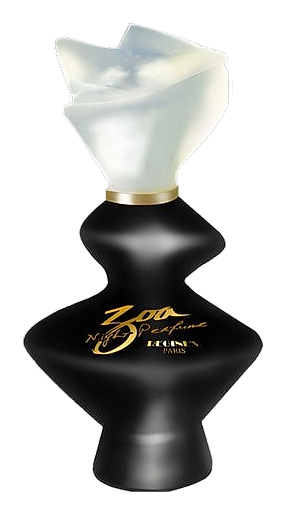
In 1966, Regine wrote a song. Zoa Night Perfume arrived to mark the house's twentieth anniversary, and the choice of name was deliberate: this was a return to the music. Emilie Bevierre-Coppermann built a composition that moves like a late-night conversation, bright at first, then intimate, then something you carry home with you. The opening sparkles with citrus and effervescence, setting an immediate tone of vitality that gradually softens into something more personal. As the top notes recede, the heart emerges, revealing layer upon layer of florals that unfold gradually, each note arriving at its own pace. There is a warmth that builds quietly, a sensuality that works best up close, on skin, in the quiet hours when the noise of the world has faded and only the essential remains.
The champagne accord is the tell. Not the literal effervescence of the drink, but the feeling of it, that lift, that moment of luxury that doesn't ask permission. Yuzu adds an exotic sharpness that keeps the opening from being merely sweet, while lemon verbena threads through like a green undertone. The aldehydic quality in the champagne is what separates this from a standard floral. It's the shimmer underneath, the thing that makes the florals feel like they're lit from within rather than simply blooming. Peony and orchid don't compete, they take turns being the main event, orchid's powdery elegance giving way to peony's full petal weight.
The evolution
The opening arrives like bubbles rising, yuzu first, tart and bright, then the champagne asserting itself. The lemon verbena keeps it clean for the first twenty minutes, a crispness that prevents the sweetness from taking over. Then the florals arrive. Not all at once, orchid first, something powdery and slightly exotic, before peony opens up full and round. The rose waits longer than expected, slipping in quietly as support rather than lead. The drydown is where Zoa Night earns its name. Vanilla and amber settle close to the skin, warm and resinous, while patchouli adds an earthiness that grounds the sweetness. The next morning, there is still something there, vanilla and the ghost of flowers, the scent of someone who stayed out late and did not apologize for it.
Cultural impact
Released in 2009 to mark the brand's 20th anniversary, Zoa Night Perfume arrived as part of a house known for its particular vision of nocturnal elegance. The yuzu and champagne opening keep it feeling contemporary rather than locked in any particular era, while the floral heart draws from a classical vocabulary that gives it depth and familiarity. The fragrance occupies warm, intimate territory, evening-forward in character, designed for proximity rather than projection. Its structure places it in conversation with established perfumery traditions while remaining distinctly its own.