

Heritage
A house, in its own words
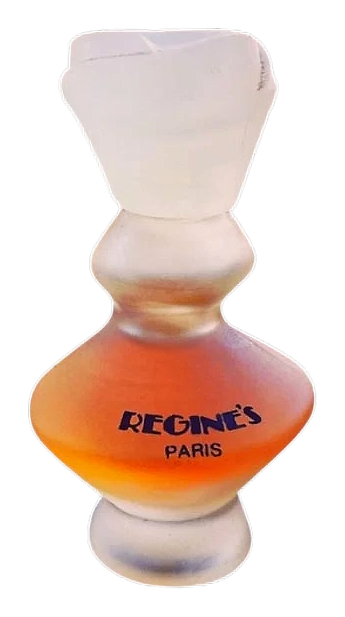
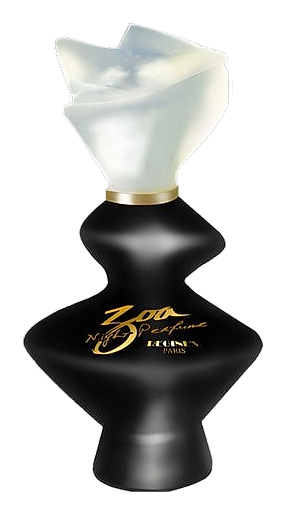
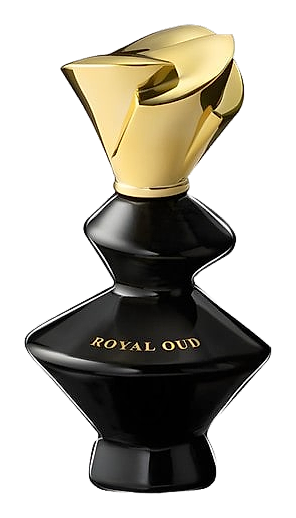
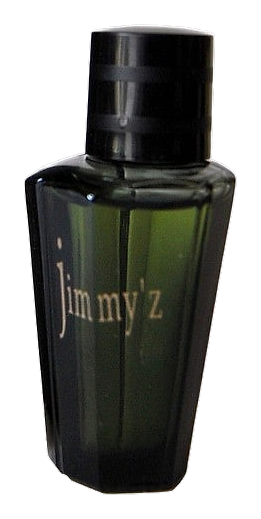
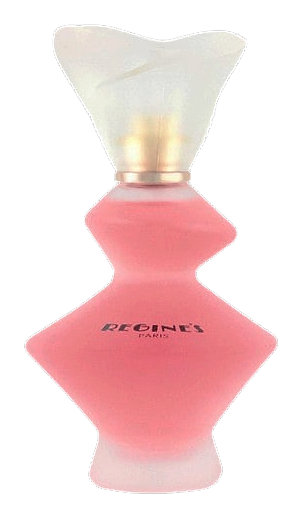
The origins of Parfums Regine trace to Paris in the late 1980s, a period when the city remained a global capital of fashion and fragrance innovation. The house takes its name from Regine, a figure synonymous with Parisian nightlife who opened the celebrated club Jimmy'z on the Riviera in 1971 before bringing her distinctive vision of glamour to the capital. This connection between fragrance and fashion is not incidental. Regine had established herself as a social force, the kind of presence around which luxury ecosystems formed naturally. The decision to launch a fragrance line followed this logic, translating a particular Parisian atmosphere into liquid form. By 1989, the house had released its debut scent Regine, establishing a template of confident, assertive femininity that would characterize subsequent releases. The men's counterpart arrived in 1993, suggesting the brand had found commercial traction worth expanding. The Zoa franchise (1992) and later Zoa Night Perfume (2009) demonstrated the house's willingness to evolve with market tastes while maintaining its signature character. The 2012 release Royal Oud marked a later chapter, aligning with the oud trend while reflecting the house's established aesthetic sensibilities. The founding figures, reportedly including Barbara Adelmann and her husband as industry experts who later established their own fragrance enterprise, brought professional credibility to the venture beyond celebrity association alone. The house's timeline reveals a commitment to quality over quantity, releasing perhaps a dozen fragrances across more than two decades rather than pursuing aggressive expansion. Parfums Regine operated from a philosophy rooted in Parisian sophistication and the social energy of exclusive venues. The brand did not position itself as a mass-market proposition. Instead, it cultivated an identity tied to particular experiences: the atmosphere of Jimmy'z, the elegance of certain Parisian circles, the association with nightlife as a form of art rather than mere entertainment. This approach meant the fragrances themselves carried narrative weight. A scent like Regine was not merely pleasant; it was meant to evoke a specific world. The house appeared to prioritize memorability over polite neutrality. Fragrances from the collection tend toward strong sillage and distinctive character, suggesting a customer who wanted to be noticed rather than simply smelled. The decision to create Jimmy'z as a fragrance (1991) blurred the line between branding and artistic expression, suggesting the house understood perfume as an extension of lifestyle rather than a standalone product. This philosophy, while difficult to document precisely, appears consistent across the catalog. The brand seemed to resist the dilution that often comes with scaling, maintaining a curated collection even as the fragrance industry moved toward broader distribution. For a house tied so closely to exclusivity and insider culture, this restraint made sense. The fragrances were always meant to feel like discoveries, perfume for those who knew where to look.