The Story
Why it exists.
The beginning
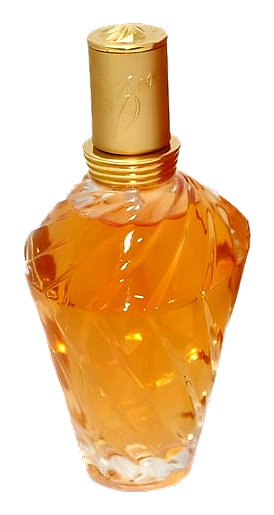
Zoa arrived in 1992 as Parfums Regine's second fragrance, following the 1989 debut that established the house's template of assertive femininity. The fragrance carries the house's commitment to a particular kind of femininity, one that asserts itself without loudness. The name itself hints at something fundamental, though what exactly it suggests remains open to interpretation. What can be said is that Zoa presents itself as a fragrance of substance, something that offers depth rather than volume, a sweetness that settles into a room quietly, like afternoon light through a window left open.
The fragrance pyramid leans heavily into white florals and powdery materials, with Heliotrope, Mimosa, Carnation, and Violet working in concert to create what reviewers consistently describe as a soft, almost delicate quality. The fruit notes, particularly Apricot and Pear, prevent it from becoming merely delicate; they lend a skin-like quality that bridges the gap between cosmetic powder and something warmer. Passion Fruit adds a tropical dimension that keeps the composition from feeling static.
The evolution
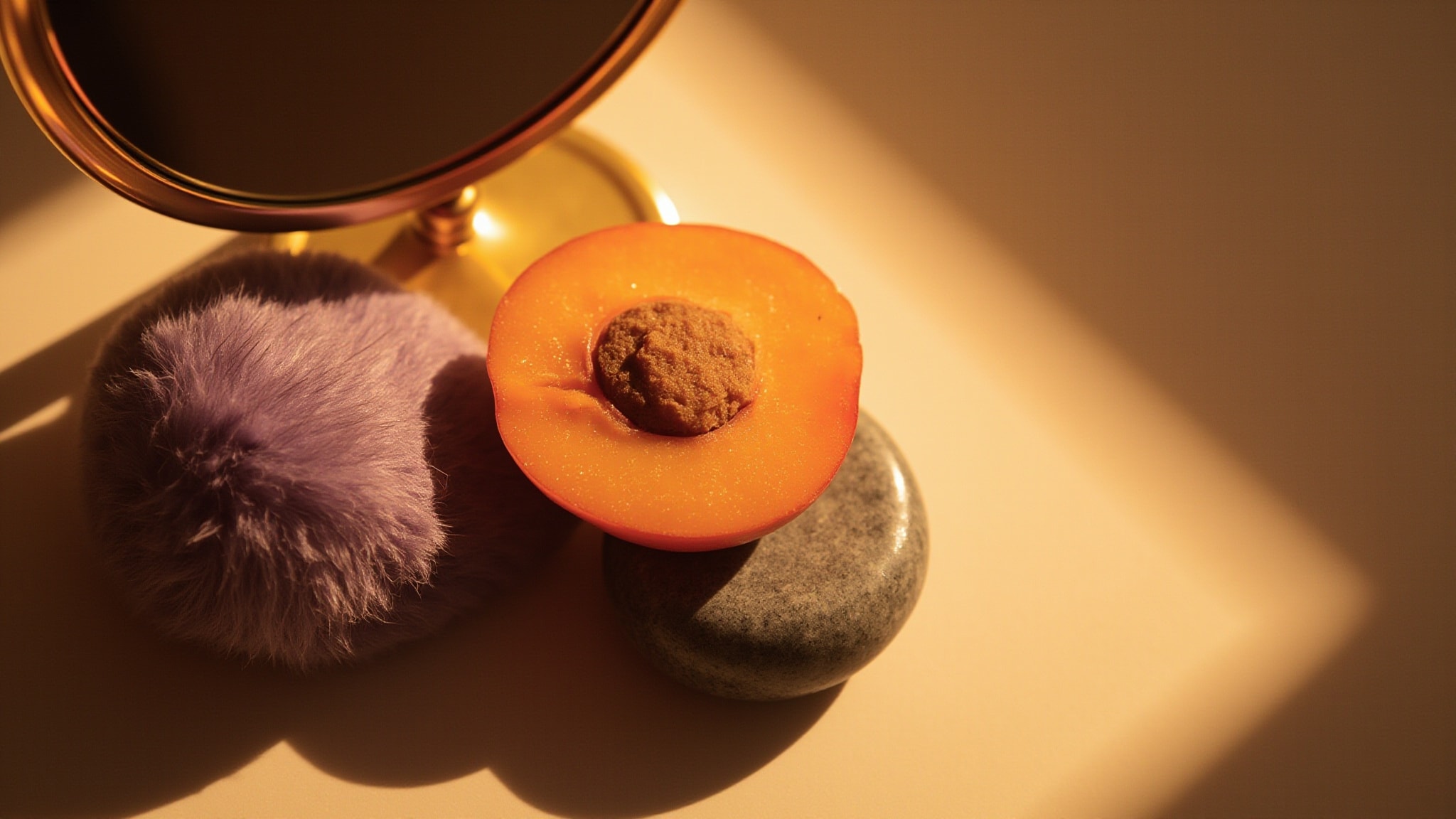
Zoa opens with the unmistakable softness of Lily of the Valley, green and dewy, fleeting in its initial burst. Within minutes the Apricot arrives, sweet but not sticky, almost as if someone pressed fruit against powder instead of the reverse. The Peach adds a velvety stone-fruit dimension that complements the apricot beautifully. The heart blooms slowly: Rose and Jasmine emerge alongside Heliotrope's almond-soft exhale, creating a layered white floral cloud that feels intimate rather than overwhelming. By hour two, the composition has settled into its base, a warm amber and vanilla combination softened further by Sandalwood and Musk. The Oakmoss gives it a subtle green, slightly chypre-like grounding that adds complexity beneath the sweeter notes. The drydown becomes skin-warm and close, present enough to notice, subtle enough to wear daily.
Cultural impact
Zoa arrived in 1992, a period when fragrance preferences were shifting from the bold, assertive florals that dominated the previous decade toward something more nuanced. The composition leans into warmth and powder, moving away from sharp citrus or aquatic freshness. Reviewers consistently note its soft, delicate quality, with the apricot and peach notes lending a natural fruit sweetness that avoids synthetic sweetness. The Parfum strength delivers presence without volume, suggesting a well-concentrated formula that offers intimacy rather than projection.