The Story
Why it exists.
The beginning
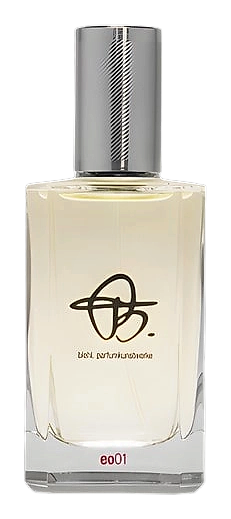
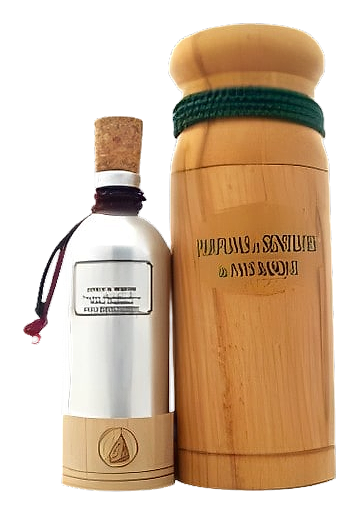
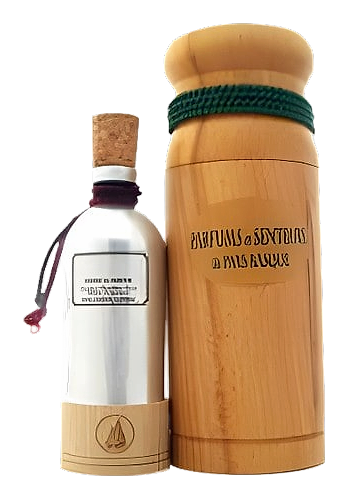
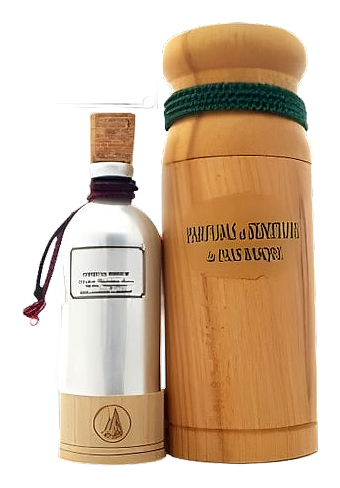
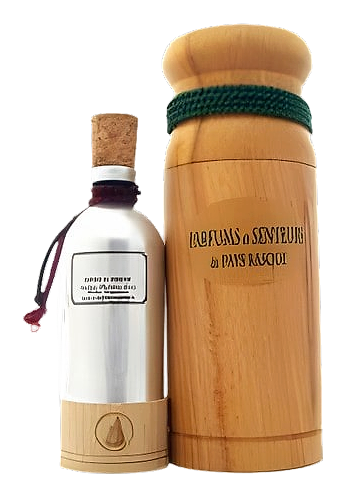
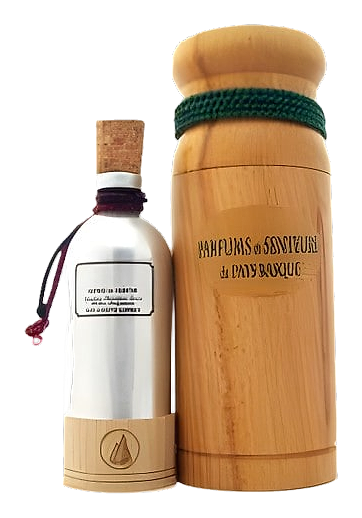
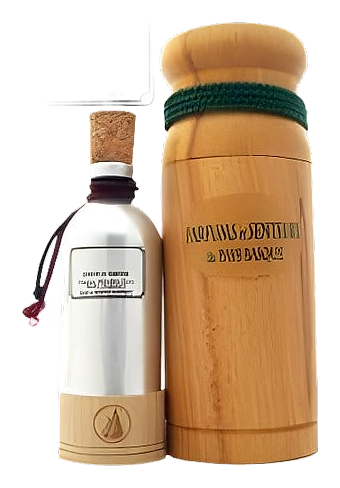
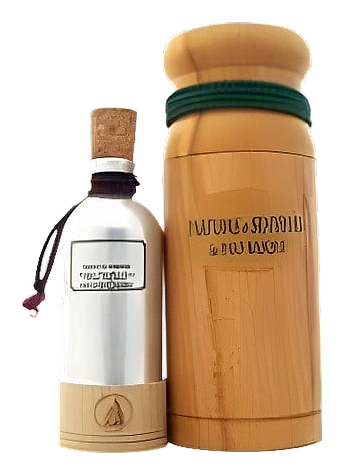
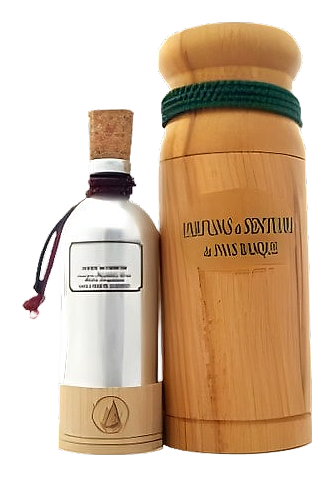
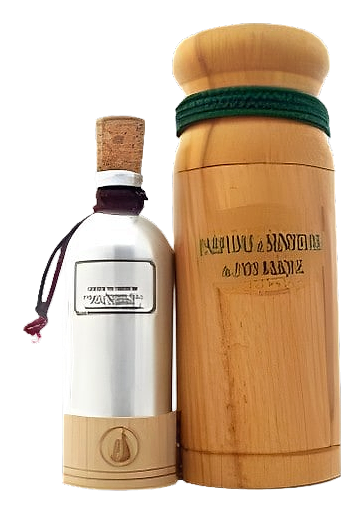
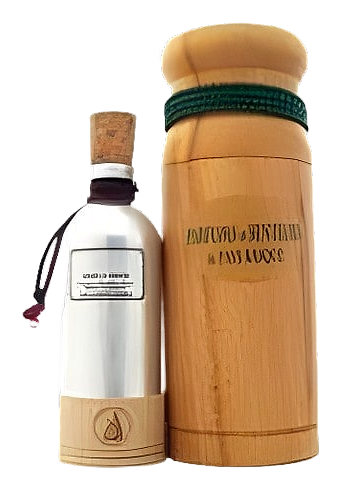
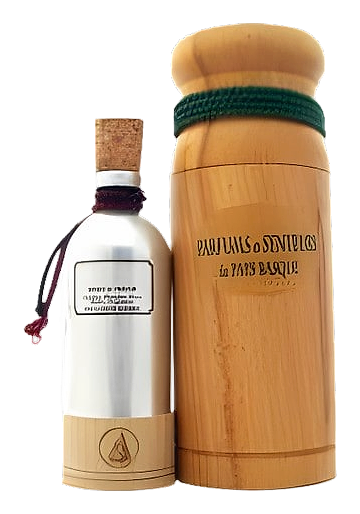
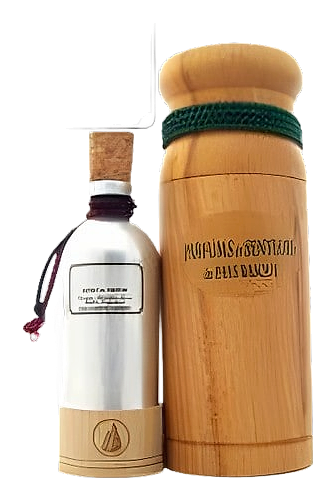
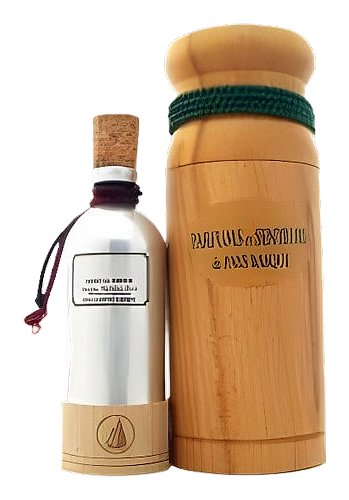
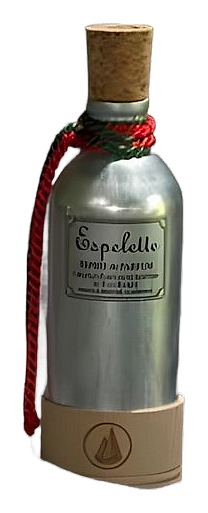
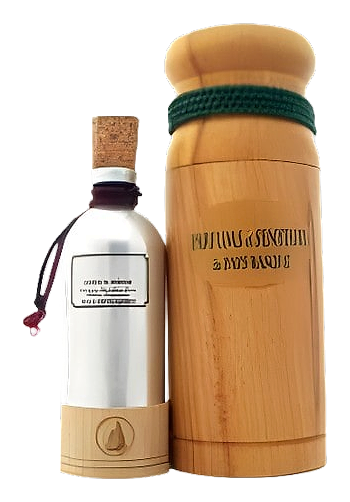
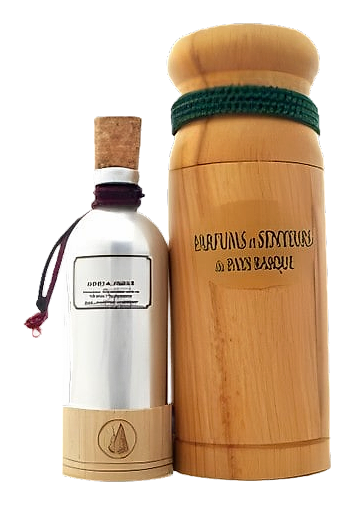
Eder arrived in 2009 from Christian Louis, the perfumer associated with Parfums et Senteurs du Pays Basque. Its origins are not tied to a documented character, place, or literary reference in the available record. Instead, the composition speaks through a clear masculine vocabulary of lavender, lemon, rosemary, cedar, pine, cypress, and pepper. The result is a clean aromatic scent with a defined woody character, balancing fresh herbal brightness with the darker textures of woods and pepper. Eder's appeal lies in this contrast: an opening that feels crisp and lucid gradually gives way to a drier, more grounded composition, bringing together aromatic freshness, resinous depth, and a restrained pepper accent.
The interesting part is the handoff between aromatic freshness and dry forest texture. Lavender and lemon provide immediate clarity, while rosemary keeps the opening herbaceous rather than overtly sweet. Together, they create a crisp first impression that feels airy without becoming weightless. Cedar, pine, and cypress then turn the composition toward resinous woods, adding depth and a faintly rugged character. The transition is gradual: the brighter citrus and herbal notes remain perceptible while the woody materials become more prominent.
The evolution
Eder begins with a brisk, cool impression. Lavender gives the opening a clean herbal edge, lemon lifts it into daylight, and rosemary adds a green, almost rosemary-scrub brightness. That first wave quickly gives way to cedar, pine, and cypress, replacing airy citrus energy with the texture of a shaded forest path. The shift is the fragrance's most convincing surprise: it can seem like a straightforward aromatic scent, then settle into something drier and more grounded. Black pepper and Sichuan pepper emerge last as a fine, dry heat rather than a heavy spice cloud. The woody accord gradually remains close to the skin, while pepper continues to provide a subtle spark as the composition softens and recedes.
Cultural impact
Eder can be appreciated as a study in contrasts: bright aromatic notes, dry woods, and finely pitched pepper. Lavender, lemon, and rosemary establish a fresh opening, while cedar, pine, and cypress introduce a deeper woody texture. Black pepper and Sichuan pepper add a subtle dry heat, completing a composition that feels composed, direct, and distinctly masculine. Its appeal lies in the way the notes change as the scent wears, moving from crisp brightness toward grounded woods with a restrained pepper accent.
The House
Parfums et Senteurs du Pays BasqueChristian Louis built a fragrance house rooted in two contrasting worlds: the sophistication of Paris and the rugged beauty of the French Basque Country. Operating workshops and boutiques in Espelette, La Bastide Clairence, and Bayonne, alongside a shop on the Place des Vosges in Paris, the house draws on the landscapes, traditions, and sensory memory of southwestern France. The collection spans masculine and feminine fragrances, unified by a narrative approach to scent. Each perfume takes its inspiration from Basque culture, literature, or the landscape itself, from the spice of traditional pain d_epices to literary characters rendered in olfactory form.
The Creator
Christian LouisThe Louis signature leans toward intensity and staying power. He demonstrates particular skill with modern amber molecules, especially ambroxan, which he incorporates to add depth and a subtle mineral warmth that lingers close to the skin.