The Story
Why it exists.
The beginning
Alexandra Carlin designed Floveris around an image from the brand: an inconspicuous gate, escaping the glare of the world. Beyond it, a hidden paradise, wild, unchecked, holding secrets. She wanted to bottle the feeling of crossing into somewhere that doesn't announce itself. Somewhere green and blooming, where every conceivable nuance of flower exists in excess. A sea of flowers. That's what she called it, roses, peonies, violets, mimosas, iridescent like velvet and silk. Bergamot and mandarin create citrus-fresh luminosity. Pepper gently contrasts. Precious woods and musk settle close. Carlin wasn't building a safe fragrance. She was building a garden you stumble into and don't want to leave.
What makes Floveris interesting isn't any single note, it's the yellow floral tension at its heart. Peony and mimosa sit differently than classic rose or jasmine. They're warmer, softer, with a honeyed quality that can tip into sweetness. Carlin keeps that in check with the citrus-pepper opening: bergamot and mandarin stay bright and contemporary, pink pepper adds a clean spice that reads modern rather than warm. The base is where the restraint pays off. Cashmeran, a synthetic that mimics cashmere wood, adds velvety warmth without heaviness. White musk stays close to skin. The overall effect is a floral that refuses to be precious. It's lush, but it doesn't beg for attention.
The evolution
The opening hits bright, citrus oils from bergamot and mandarin, a clean spark of pink pepper. The florals haven't arrived yet. You're standing at the gate. Within minutes, peony and Turkish damask rose push through, soft at first, slightly sweet, with violet and mimosa adding a powdery counterpoint underneath. The citrus doesn't disappear. It fades slowly, which keeps the florals from reading heavy. By hour two, the composition has settled. Cedarwood and Cashmeran emerge, adding warmth and a velvety softness. White musk and amber wrap the florals in skin-close warmth. The peony and rose don't disappear, they soften into the background, a memory of the opening rather than a presence. By hour four, Floveris is intimate. A quiet musky-woody warmth that stays close for another two to three hours. On fabric, the florals linger longer, a ghost of the garden the next morning.
Cultural impact
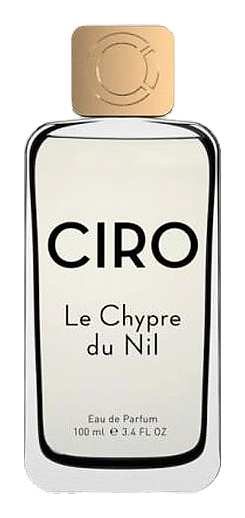
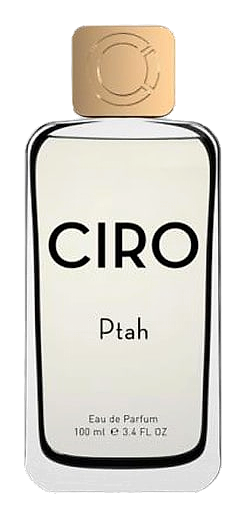
Floveris is an outlier in Ciro's catalog. The house built its reputation on bold, dramatic compositions, Danger in 1938, New Horizons in 1941. Floveris, by contrast, is quiet and feminine, a floral-fresh exercise in restraint. The 2018 launch marked Ciro's return after decades of dormancy, signaling a house willing to surprise. Wearers describe it as the scent of someone who walks into a room and doesn't need to announce themselves.