The Story
Why it exists.
The beginning
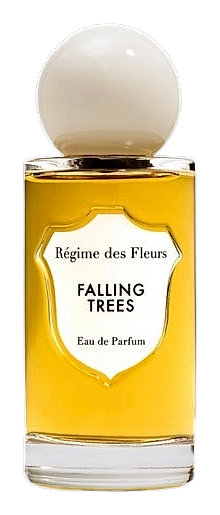
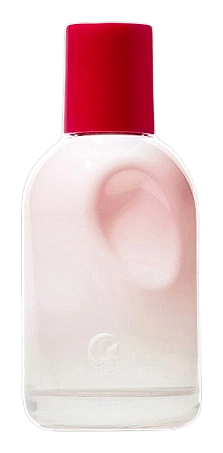
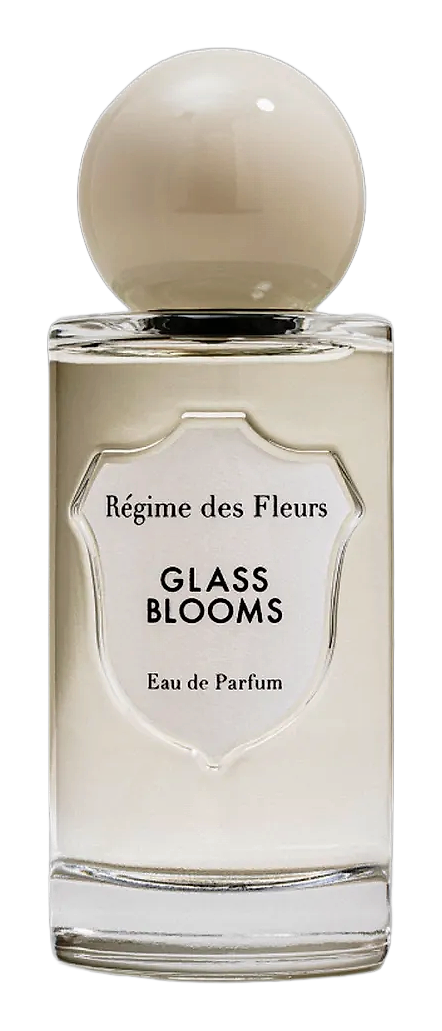
Mathieu Nardin collaborated with New York house Régime des Fleurs in 2016, a period when the brand was defining itself through botanical research and narrative-driven scent design. The brief was not about power or longevity theater. It was about something harder to quantify: transparency. Finding the difference between scent that fills a room and scent that feels like an extension of skin. Nardin reached for Riesling, an unusual top note that brings a crisp, wine-like fruit quality rarely found in perfumery, paired with peony and lily of the valley to create an opening of genuine luminosity. The frankincense in the heart reinforces the brand's affinity for resinous depth, while the drydown of musk, ambrette, and sandalwood ensures the fragrance settles into something quiet and personal.
The note structure of Glass Blooms reflects a philosophy of restraint. Riesling at the opening is not a gimmick; it establishes the fragrance's cool, translucent character. Peony and lily of the valley support this with their clean, almost translucent floralcy. The heart's rose and ylang-ylang add warmth and body, while frankincense introduces a quiet spiritual dimension that prevents the fragrance from becoming merely pretty. The base of musk, ambrette, sandalwood, and tonka bean completes the arc by returning scent to skin, creating a fragrance that feels worn rather than applied. This is scent as presence, not projection.
The evolution
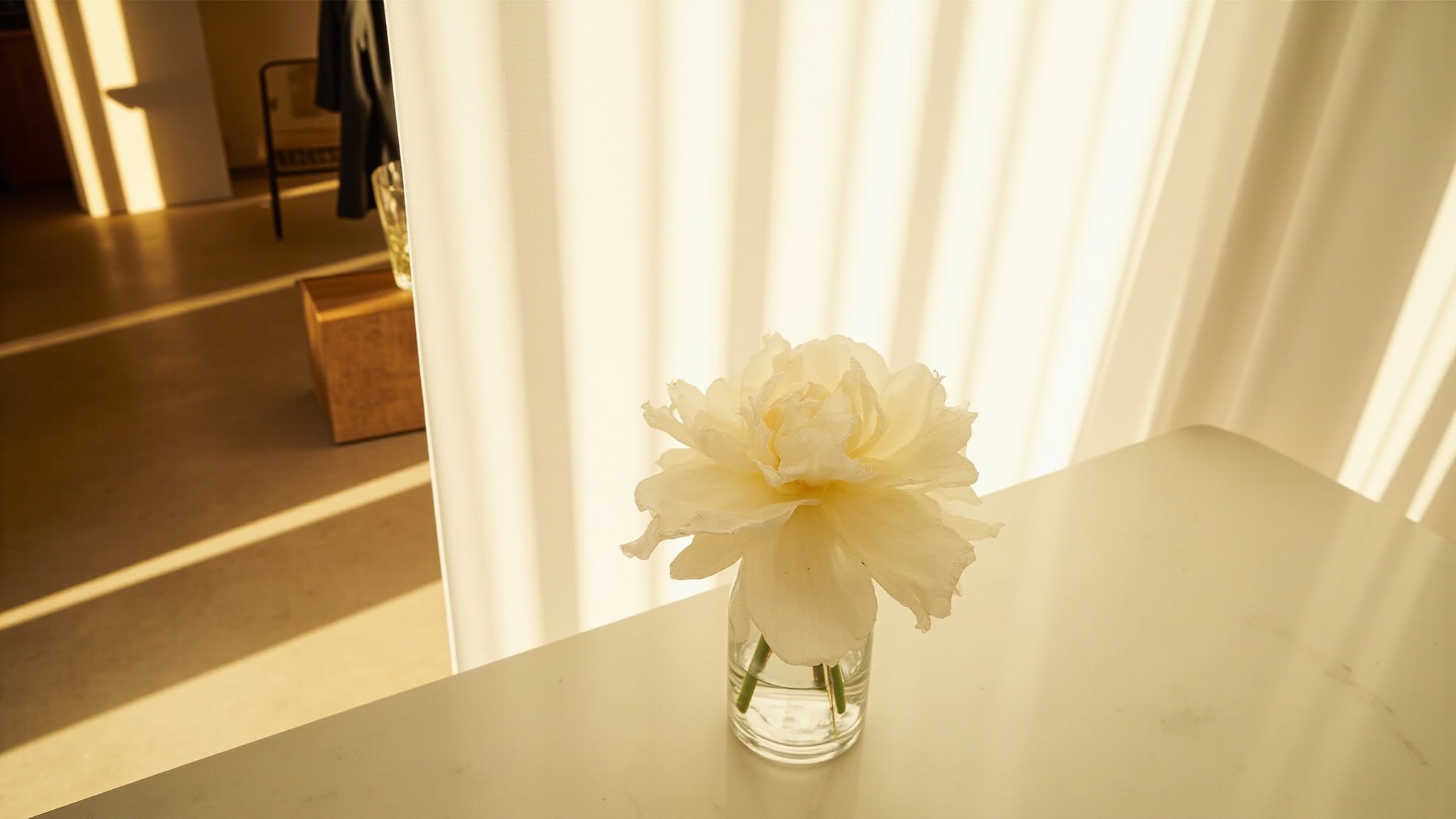
The arc of Glass Blooms follows the path of a flower opening in slow motion, then gently closing at dusk. Riesling hits first, a cool, slightly tart fruit note that immediately sets this apart from conventional florals. Peony follows, its petals soft and almost translucent, while lily of the valley adds a clean, green-floral clarity that prevents the opening from becoming too sweet. As the top notes soften, rose emerges from the heart, fuller and more grounded, joined by ylang-ylang's creamy warmth and frankincense's resinous whisper. By the time the fragrance reaches its base, the florals have dissolved into something skin-close: musk and ambrette create a warm, clean skin-like quality, sandalwood provides gentle creaminess, and tonka bean adds a final whisper of sweetness that fades into memory.
Cultural impact
Glass Blooms emerged from the indie niche moment of the mid-2010s, when smaller houses were staking territory on transparency and unusual accords. The Riesling-peony combination and the ambrette base make it distinctive within that context, a fragrance that reads as cool, clean, and modern without relying on the safe-floral formulas that dominated the market.