Riesling
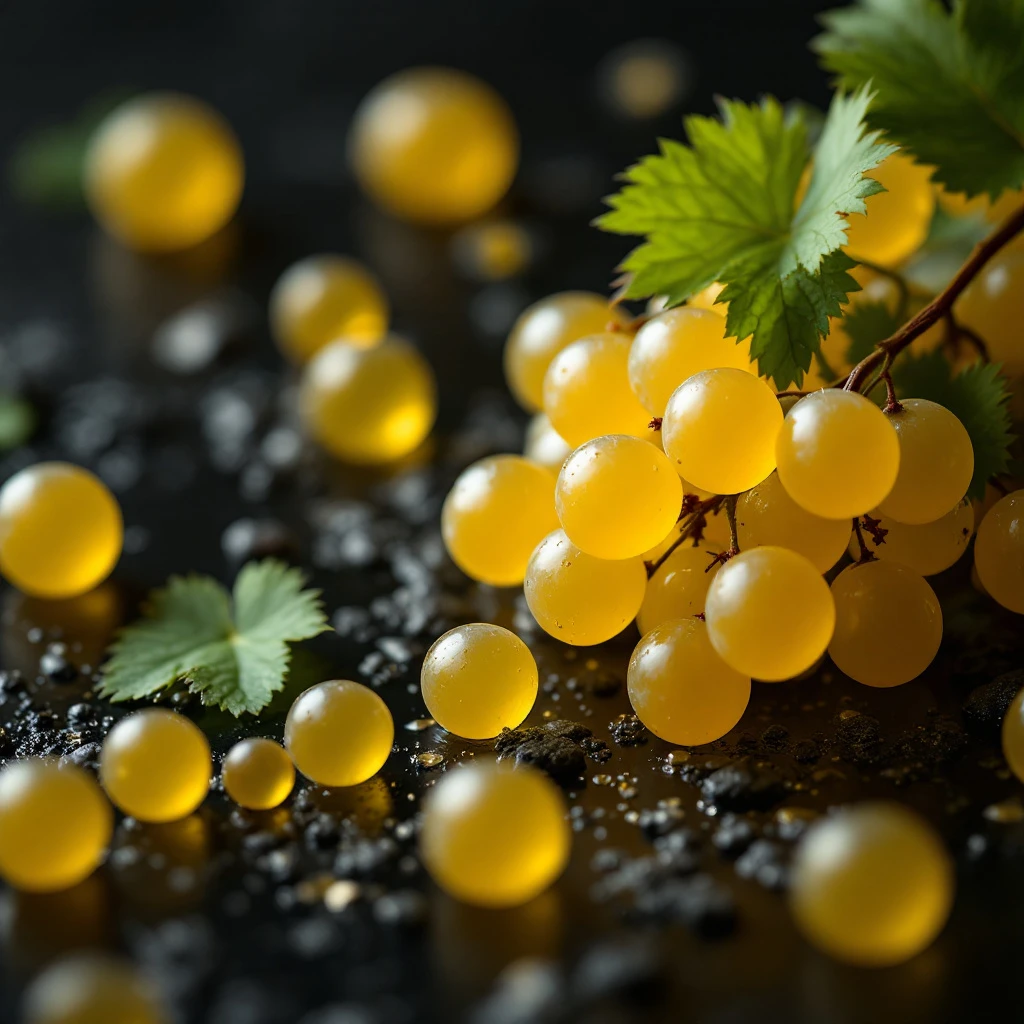
A luminous accord capturing the crisp elegance of Riesling wine. Its bright citrus and green apple facets meet honeyed florals and a distinctive mineral quality, recreating that electrifying first sip in liquid form.
Character
How it smells
The electric elegance of a perfect sip.
The distinctive petrol-like note in aged Riesling comes from TDN, a compound that develops during slow wine maturation and is now recreated synthetically for perfumery.






Origin
Germany
Wine has perfumed humanity since antiquity, but wine-inspired fragrance only emerged as a distinct category in the late 20th century. Riesling, Germany's骄傲 grape, became particularly significant in this development.
The variety dates to medieval Rhineland vineyards, though it gained its modern identity in 19th-century German ampelography. As sommeliers began cataloguing Riesling's extraordinary aromatic complexity, perfumers took notice.
The grape's unique ability to express terroir and age transformed perfumers' understanding of how liquids could capture landscape and time. By the 1990s, major fragrance houses began incorporating Riesling accords into compositions, drawn by its unusual balance of austerity and floral grace.
Wears it best
Fragrances featuring Riesling
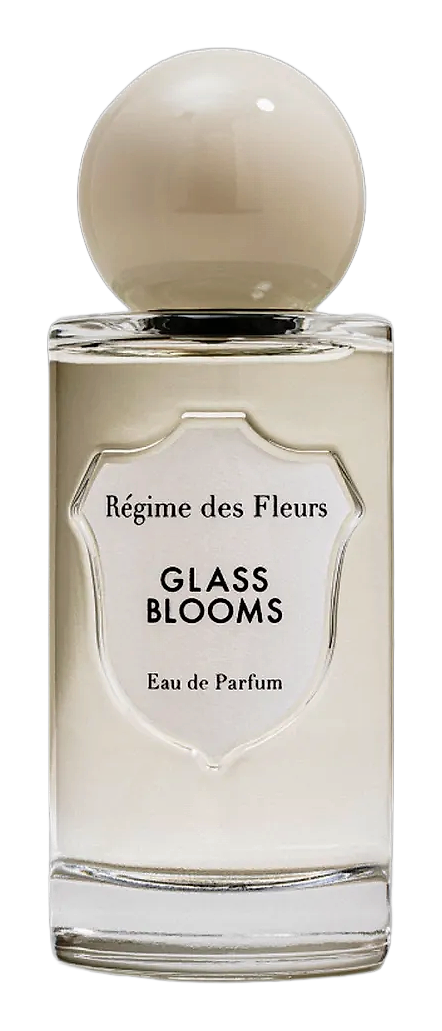
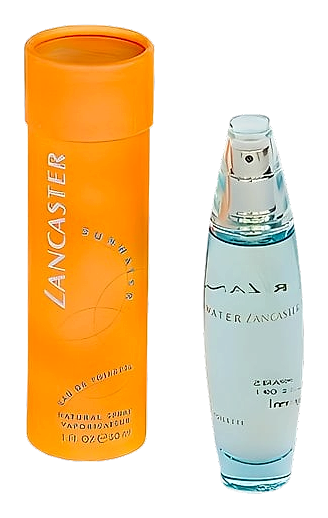
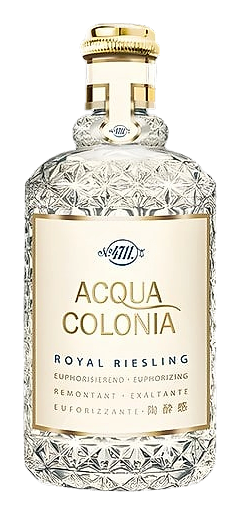
Brands
Brands known for Riesling
Good to know
Questions, answered
The essentials on Riesling in perfumery: how it smells, where it comes from, and how it behaves on skin.
Is Riesling in perfume made from actual grapes?
Riesling perfume notes are primarily aromatic accords recreating the wine's character through carefully blended materials, including synthetic molecules and sometimes wine-derived extracts.
What does a Riesling note smell like?
It opens with crisp Green Apple and citrus, evolves into white flowers and tropical fruit, finishing with honey and a distinctive mineral quality reminiscent of aged wine.
Where does Riesling originate as a fragrance ingredient?
The wine originates from Germany, particularly the Rheingau and Mosel valleys, though perfumers worldwide now create Riesling-inspired accords.
What other notes pair well with Riesling in fragrance?
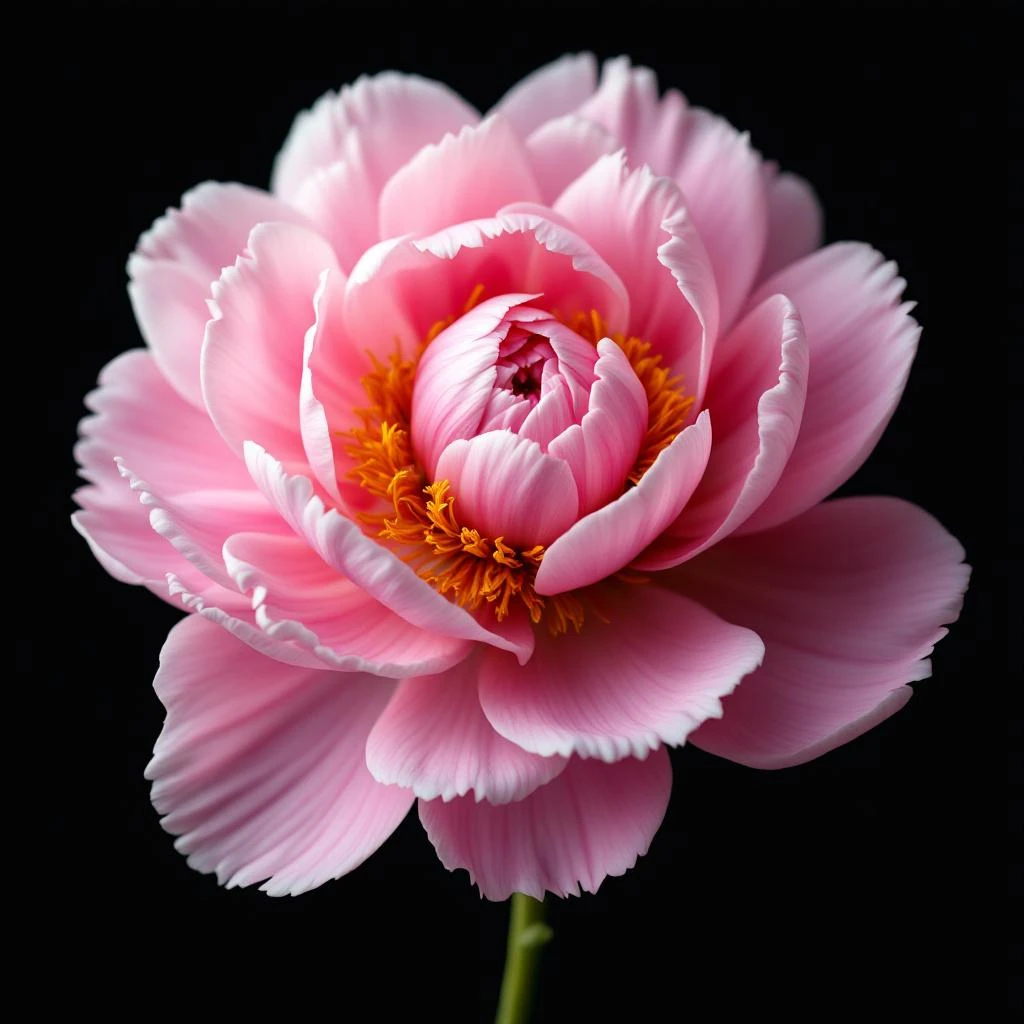
Riesling pairs naturally with white florals like jasmine and peony, stone fruits, cool aquatic notes, light musks, and crisp green elements.
What creates the petrol note in aged Riesling?
TDN (trimethyl-dihydronaphthalene), a compound developing during slow wine maturation, creates that characteristic petrol nuance now recreated synthetically in perfumery.
Is Riesling a top, heart, or base note in fragrance?
Riesling accords typically function as bright top or heart notes, lending initial freshness and fruity-floral elegance to a composition.
Which famous fragrances feature Riesling?
Several niche houses have released Riesling-inspired releases, though major houses more commonly incorporate the note subtly within broader fruity-floral compositions.
Why did perfumers choose Riesling specifically?
Riesling offers an unmatched balance of crisp acidity, floral grace, and mineral complexity, capturing in one note qualities that typically require multiple ingredients to achieve.