The Story
Why it exists.
The beginning
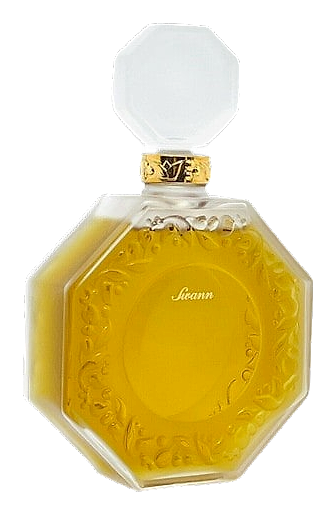
Swann arrived in 1984 as Pacoma's opening statement, a fragrance named for something graceful and deliberate. The brand had just begun building its catalog of aromatic experiments, and Swann was the first. The name carries a certain stillness: swans move slowly, they own the water they float on. This wasn't a fragrance rushing to impress. It was built to arrive on its own terms, to reward patience over impulse.
The note structure tells you everything about the intent. Aldehydes open cold, bright, metallic, almost impersonal. It's a calculated move. The chill filters out the noise. What remains is the jasmine underneath, green and slightly indolic, and then the rose that blooms once everything else has settled. Patchouli and oriental notes form the bridge between freshness and warmth. By the time oakmoss and sandalwood anchor the base, the fragrance has already decided who it's for. Someone patient. Someone who doesn't need to announce themselves.
The evolution
The aldehydes hit first, sharp, crystalline, a little distant. It reads like cold air or the smell of hot metal. Thirty minutes in, the jasmine emerges, green and slightly animal, cutting through the metallic sheen. Then the rose arrives. Soft, powdery, almost shy. The patchouli adds earthiness without heaviness. By hour three, the composition settles into its base: oakmoss, sandalwood, and musk, close to the skin, intimate rather than projecting. Moderate sillage. The kind that only someone standing very close will notice. On fabric, the drydown can linger for days, a faint, warm reminder that fades to something almost skin-like.
Cultural impact
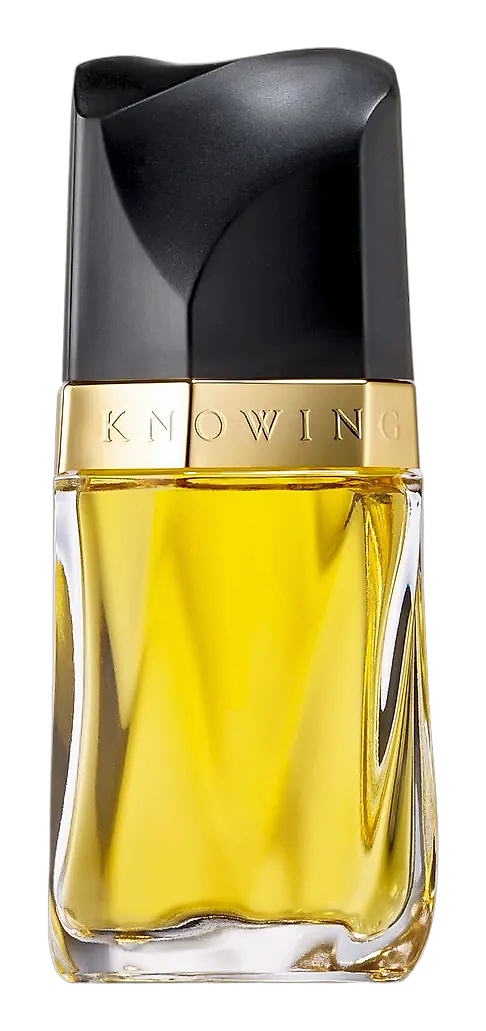
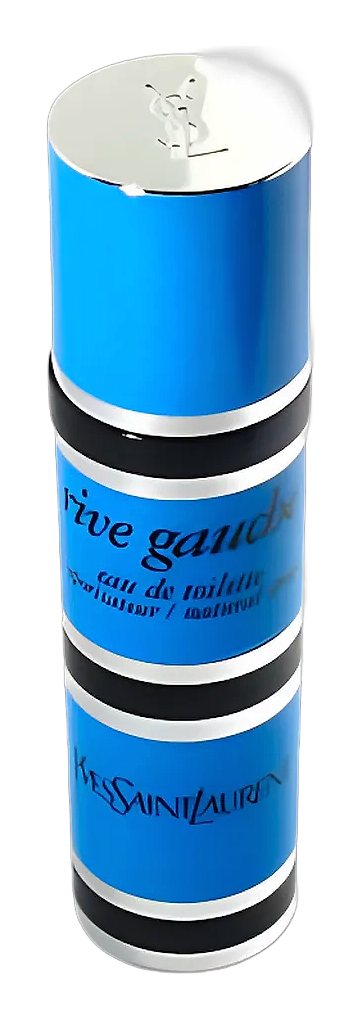
Swann occupies a particular corner of fragrance culture: the discontinued chypre that collectors still seek out. Released in 1984, it shares DNA with heavier florals of its era, Knowing by Estée Lauder, Rive Gauche by YSL, though its aldehydic opening and moderate sillage make it quieter than those peers. It's the kind of fragrance that shows up in discussions about "what chypres used to smell like" and inspires the occasional nostalgic search on vintage markets.