
The Story
Why it exists.
The beginning
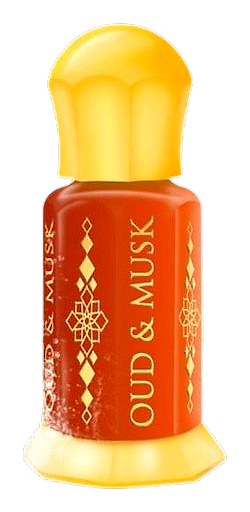
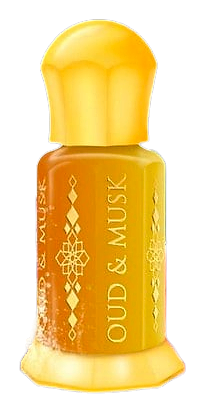
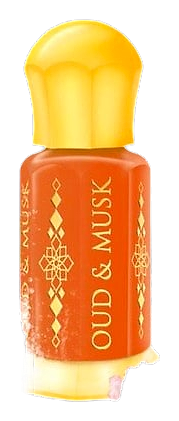
The name reads like a clue. Falcom carries the suggestion of something winged and sharp, and Woody announces the structural promise of what follows. Oud & Musk built this one as a perfume oil, a format that suits the brand's lean toward agarwood-forward compositions. The release year sits undocumented in public records, but the composition itself shows a deliberate intent: honor the oud while letting fresher materials hold the door open long enough to pull someone in. Grapefruit and mint do that work upfront, almost aromatically, before the composition turns to its deeper task. Grapefruit adds a tart, slightly bitter lift that catches at the back of the throat, and mint layers in a cool, mentholated brightness that keeps the opening from feeling dense.
What makes this composition worth a second look is how it balances the bright with the heavy without either one winning. Pink pepper and grapefruit offer a brisk opening that keeps the first thirty minutes feeling alert rather than austere. The pink pepper adds a dry, almost papery heat that prickles at the edges of the citrus, giving the opening a subtle complexity. The heart stakes out middle ground: cedarwood and vetiver for structure, patchouli for depth, saffron for a thread of warmth that reads almost textile, like woven fabric holding the scent close to skin.
The evolution
The first hour is the lightest this fragrance will ever be. Grapefruit and mint lift off fast, leaving pink pepper's quiet tingle behind, and then the woods begin their slow negotiation. Cedar arrives first, dry and architectural, followed by vetiver's earthy handshake. Patchouli threads through underneath, dark and slightly sweet, while saffron adds a warmth that reads almost like sun-warmed wood. By the second hour, oud has entered the room without knocking. Not loud. Not animalic. Just present, the way resinous wood is present when you walk into a workshop that's been closed for the afternoon. The oud here leans toward the medicinal and woody side rather than the barnyard or fecal end of the spectrum, offering a clean agarwood character that feels refined rather than raw. Sandalwood smooths the edges, vanilla softens the base, and white musk keeps everything breathable.
Cultural impact
Woody Falcom finds its place among agarwood compositions made to be worn rather than displayed. It's a perfume oil rather than a spray, a format that changes how the fragrance sits on the skin and how its projection behaves over the hours. Within the brand's catalog, it reads as a piece that bridges brighter woody constructions with the deeper, more resinous oud work the brand is known for. The cedar-and-vetiver heart gives it a structural clarity that some heavier agarwood compositions lack, while the oud base keeps it anchored in the resinous tradition.