The Story
Why it exists.
The beginning
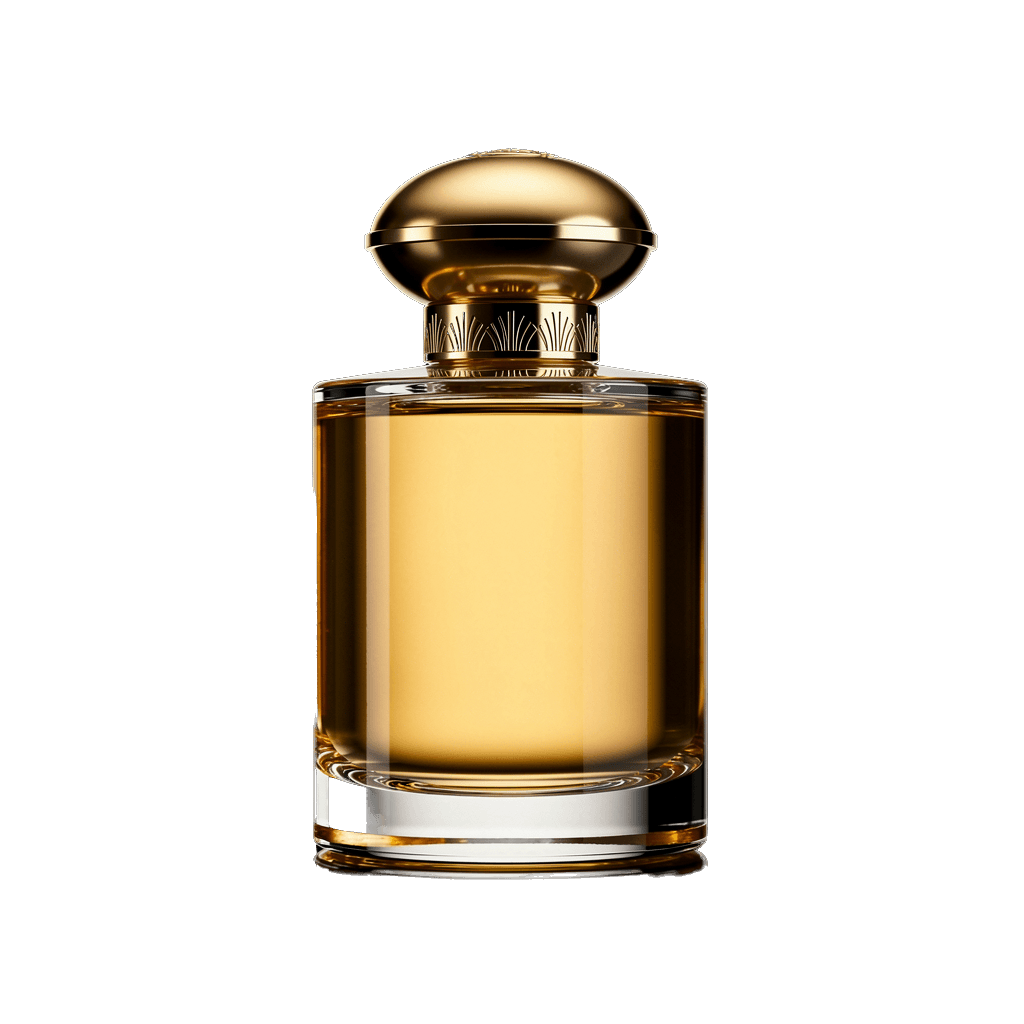
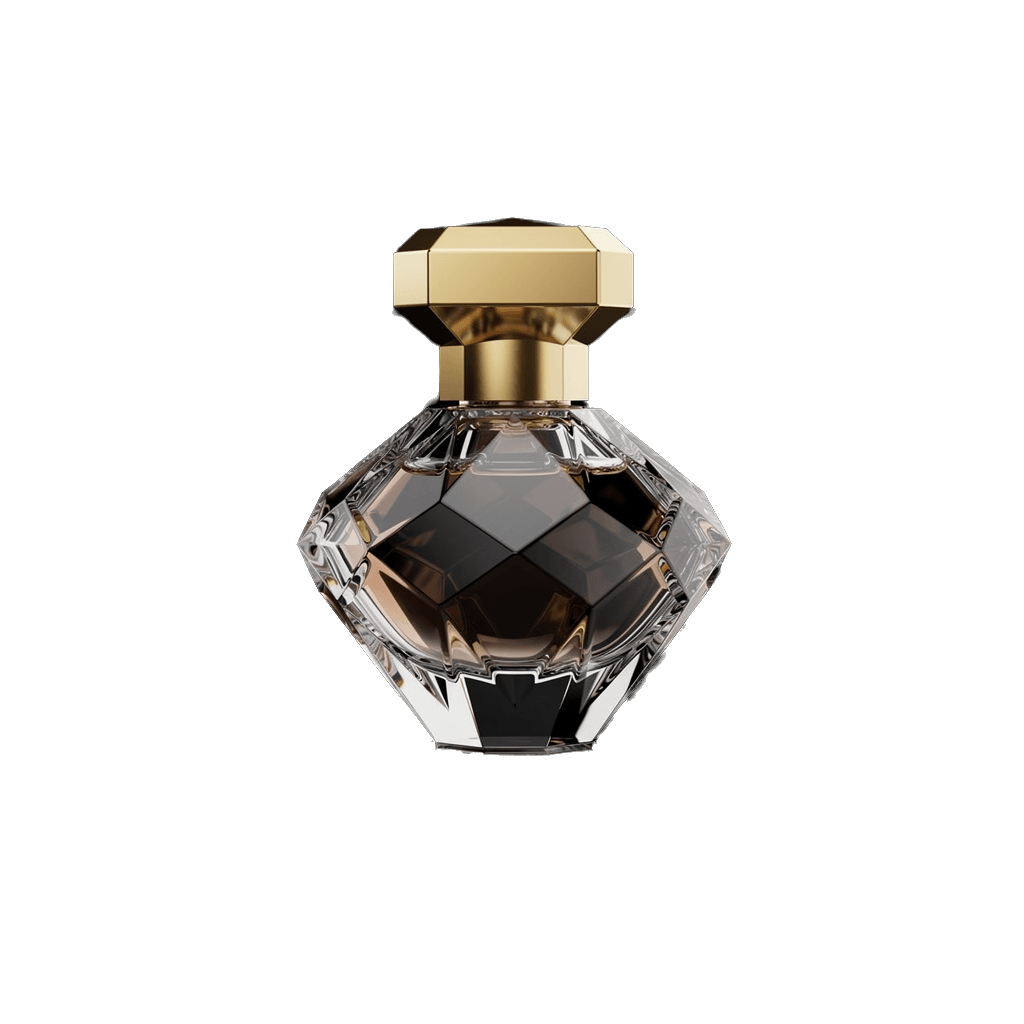
Sahara takes its name from the largest hot desert on Earth, a vast expanse of arid terrain that stretches across North Africa. The composition reads less like a postcard than a fieldwork report on what that landscape smells like at night, when the heat of the day meets the first cool air and whatever was baked into the sand starts to give it back. There's a frank, spice-forward warmth in the opening that announces itself without apology, and underneath it, a resinous depth that signals serious intent. The whole thing is built to balance those two registers against each other, the bright heat of the spices playing off the dark gravity of the wood and resin base that anchors every note that follows.
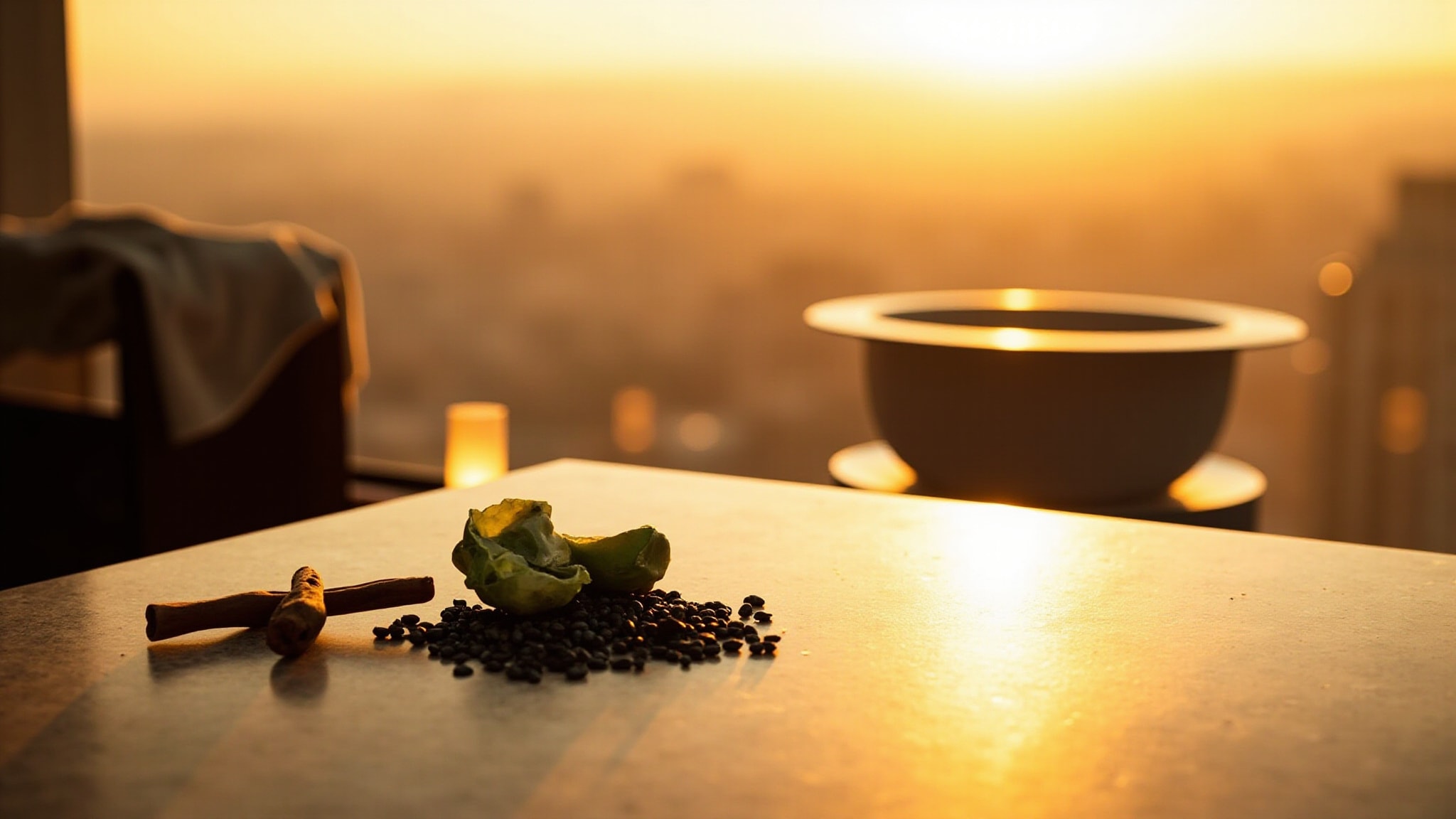
The combination matters more than any single ingredient. Cardamom and ginger are common enough in modern perfumery, but pairing them with frankincense and saffron tells you the perfumer wasn't building a mainstream spicy scent. There's intention in the way the warmer dessert spices are layered over a foundation of agarwood, guaiac, and sandalwood, as if the spices were never meant to stand alone but rather to lead the wearer down toward something denser and older underneath. The structure makes its argument clearly: the spices aren't the point.
The evolution
The opening belongs almost entirely to the spices. Cardamom cracks bright, ginger brings a clean sting, and bergamot softens the edge just enough to keep it from reading as food. The brightness stays assertive without tipping into sweetness, and there's enough citrus lift to keep the whole composition from feeling weighty too early. Then the temperature shifts. Frankincense rises like smoke from something burning a long way off, saffron threads through it, and neroli adds a strange cold sweetness that keeps the heat honest rather than letting it turn sweet. The frankincense and saffron don't just sit side by side; they braid into each other, creating a haze that obscures the transition and makes the shift feel less like a change of notes and more like a change of weather. Eventually, rose shows up, but not as rose traditionally does.
Cultural impact
Sahara joins a lineup of compositions from the brand that take their names from places rather than moods, suggesting a curatorial approach to naming that trusts the wearer to do the translating. Tumbuktu, a fellow geographic tribute in the catalog, follows the same logic, pointing to locations with their own sensory associations rather than spelling out the emotional territory a fragrance aims to occupy.