The Story
Why it exists.
The beginning
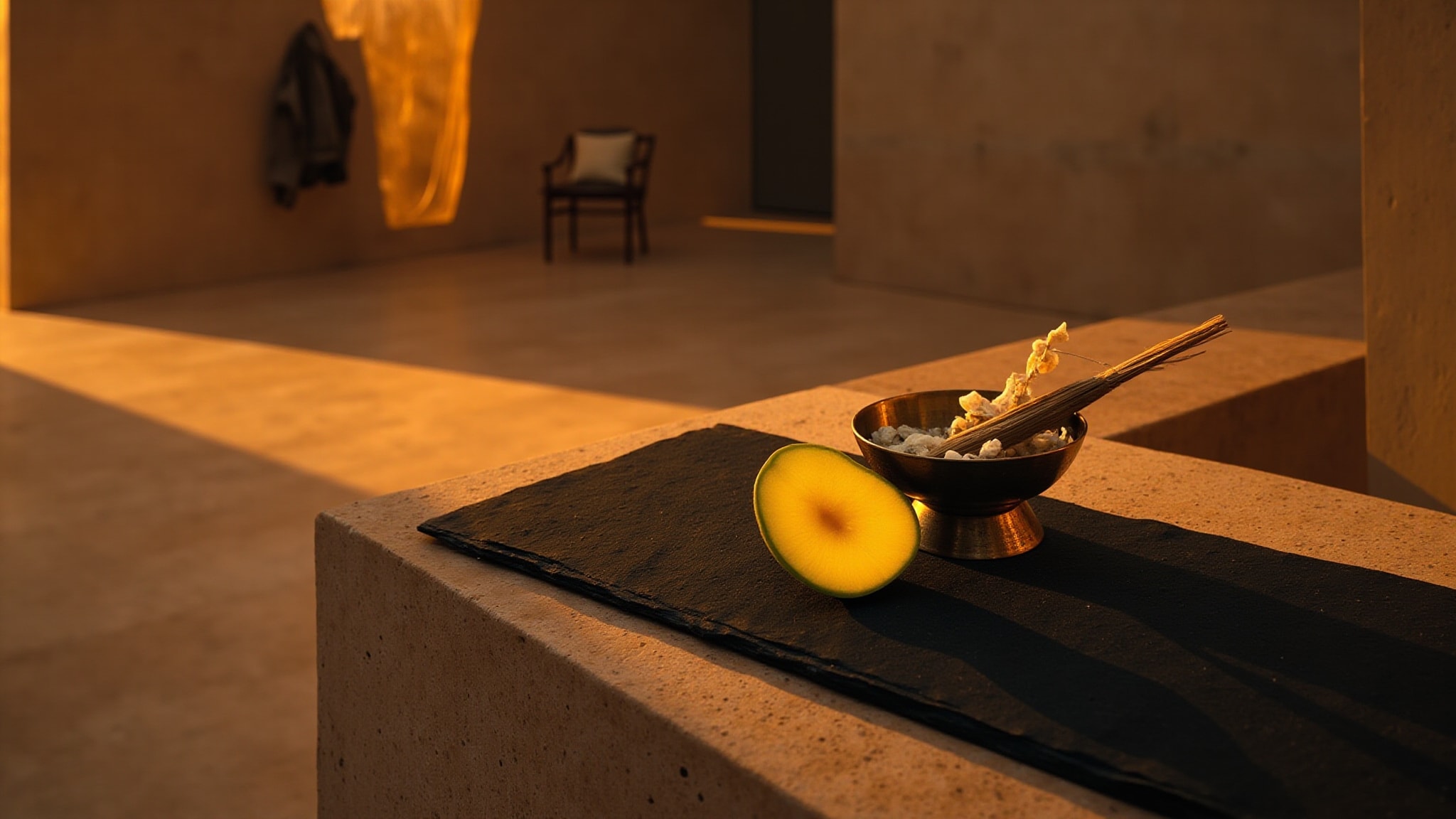
Tumbuktu is named for a place, not a perfume family. The brand notes its connection to thiouraye, an ancient and traditional incense associated with West African women, the kind of ritual smoke that lives in hair, on skin, in fabric. The reference is specific and deliberate. This isn't an abstraction of incense. It's a translation of thiouraye into bottle form, interpreted through a house whose work centers on oud and musk. The green mango top, the karo karounde heart, the frankincense and vetiver base. Each element points toward the same idea: scent as something worn, carried, lived in. Not something sprayed and forgotten. The opening carries that unripe fruit and spice almost immediately, a freshness that feels cut from the branch rather than composed in a lab.
The karo karounde in the heart is worth pausing on. It's a floral absolute that rarely shows up outside niche perfumery, with a quality that sits somewhere between incense and flower, neither fully one nor the other. Paired with green mango, it shifts the composition into unexpected territory, fruit that hasn't ripened yet, resin that hasn't fully burned. The frankincense in the base does quiet structural work. It's the element that lets the green notes stay sharp instead of collapsing into something sweet, holding everything upright as the hours pass.
The evolution
The first ten minutes are green and a little sharp, unripe mango meeting spice in something that reads almost raw, like stem and all. There's nothing polite about it. Then the karo karounde arrives, and the whole thing shifts register. The green deepens. The floral character of that karo karounde wraps around the fruit, and suddenly the composition feels less like a fruit note and more like an atmosphere. The frankincense comes in quietly, not the church-resin blast some incense compositions lead with, but something drier, dustier, almost mineral. Vetiver grounds the whole thing in the final hours, earthy and cool, keeping the smoke from getting too sweet. Over the course of a full wear, the drydown settles into a quiet thread of incense and root, close to the body, almost like the ghost of something that burned the night before.
Cultural impact
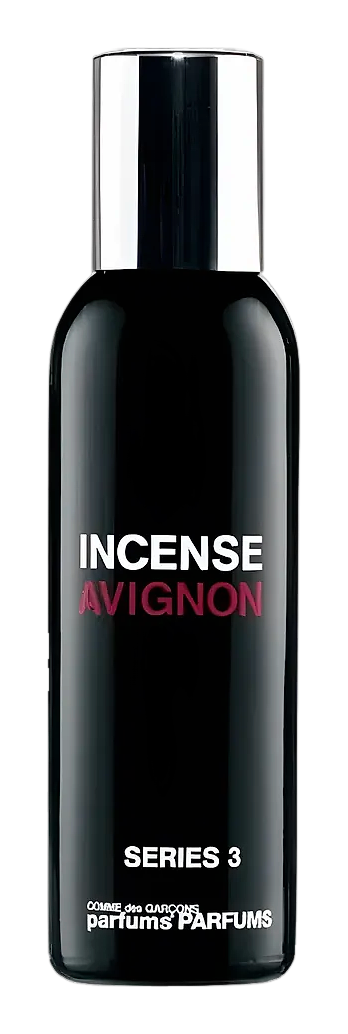
Wearers consistently place Tumbuktu in conversation with L'Artisan Parfumeur's Timbuktu, the composition that shares a similar name and a roughly parallel incense-and-fruity-green territory. The L'Artisan version leans drier and more papyrus, while Tumbuktu reads greener and more raw. Within incense fragrances broadly, this sits on the quieter end, with restraint closer to Comme des Garçons' Avignon than to louder oud-and-amber styles. The kind of wearer who reaches for it tends to be interested in regional perfumery traditions, drawn to the thiouraye reference and the karo karounde.