Karo Karounde
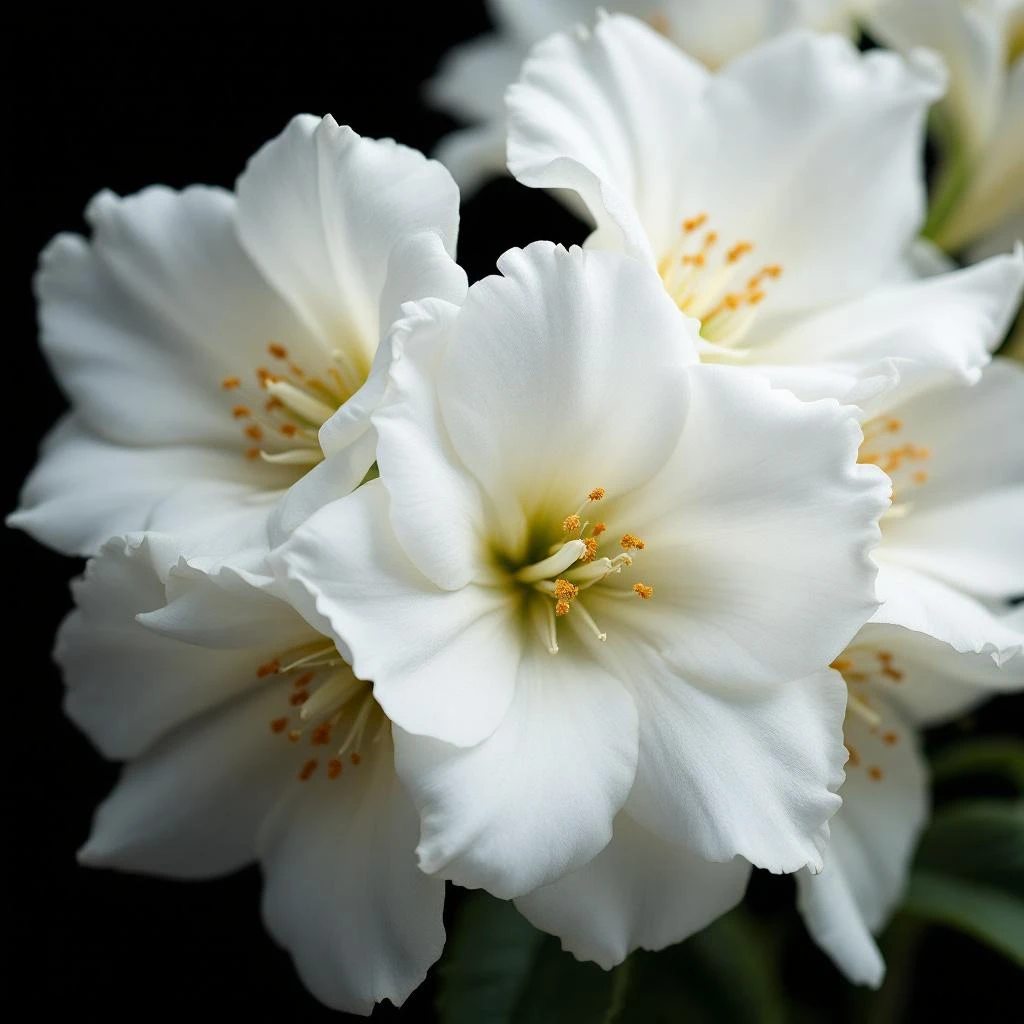
West African jasmine captured at altitude. Karo Karounde delivers intense floral sweetness with a green, slightly animalic edge found in no other ingredient.

Character
How it smells
Guinea's rare mountain jasmine absolute
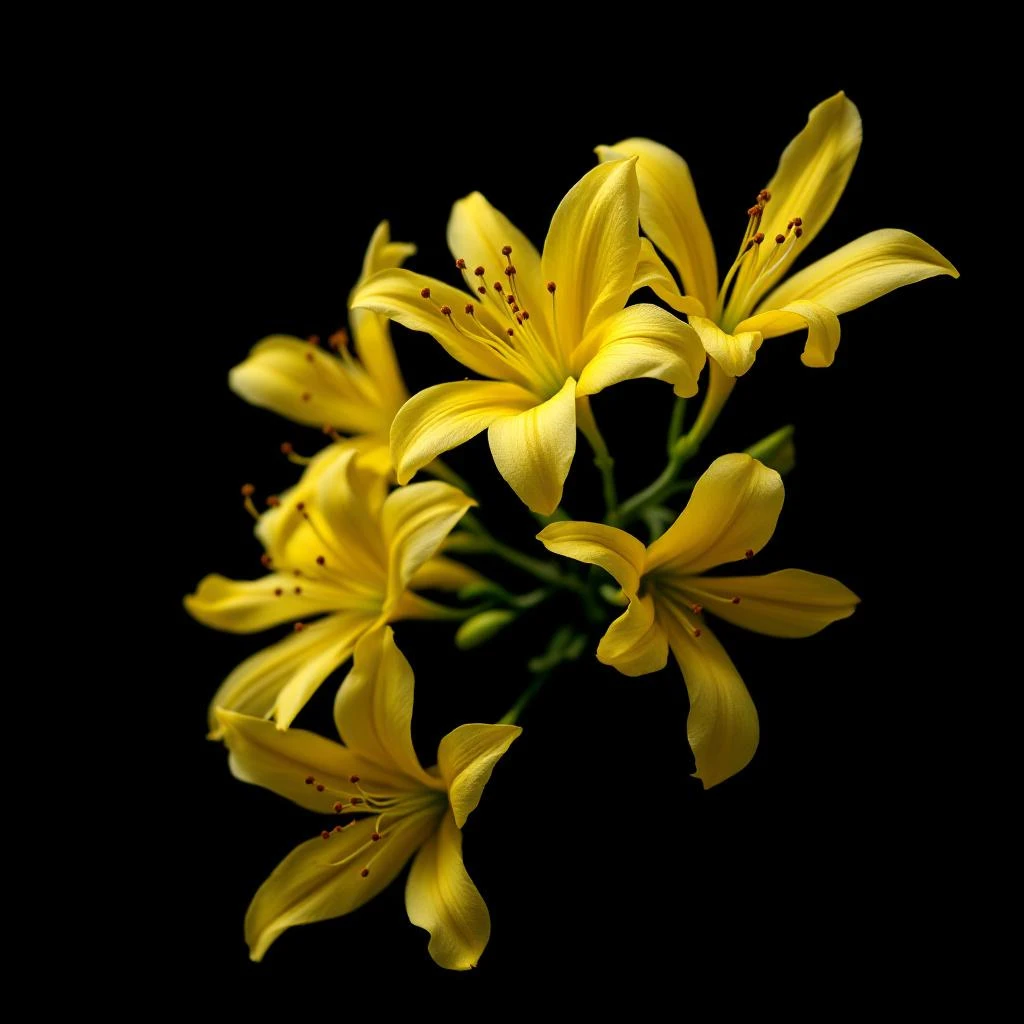
Local women collect flowers at dawn when scent peaks, working in teams across the Fouta Djalon ridgeline above 900 meters elevation.






Origin
Guinea
Karo Karounde has grown in the Fouta Djalon mountains for centuries, woven into local traditions and botanical knowledge passed through generations. The shrub holds cultural significance among Fulani communities who have long used the flowers in ceremonial contexts. French colonial botanists documented Leptactina senegambica in the early 1900s, but perfumery interest remained limited until Atelier Materi and a handful of niche houses began exploring West African materials in the 2010s.
The ingredient represents a rare example of a genuinely regional floral absolute outside the Mediterranean and Indian Ocean perfume traditions. Extraction operations in the Labé region have provided sustainable income for rural cooperatives, though production remains small-scale and seasonal.
Wears it best
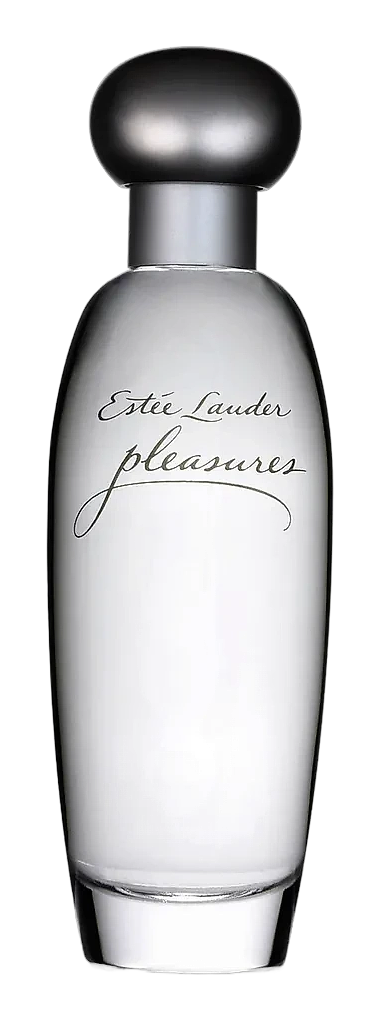
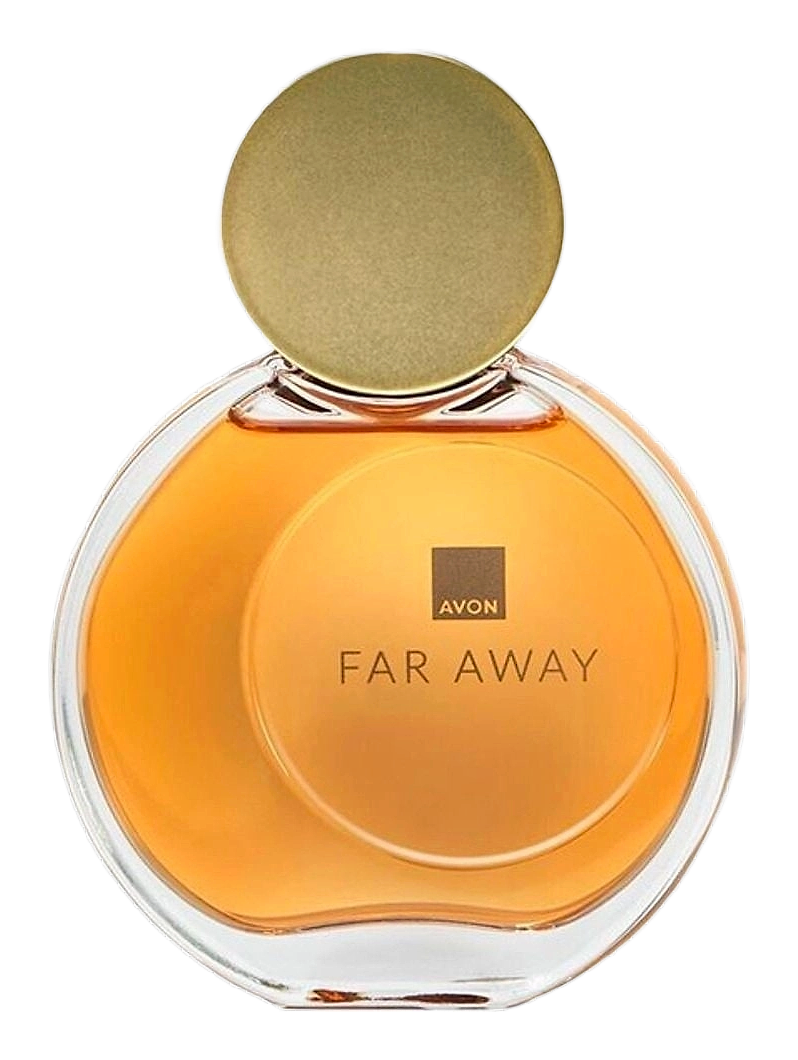
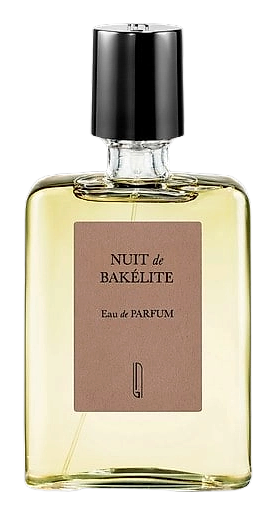
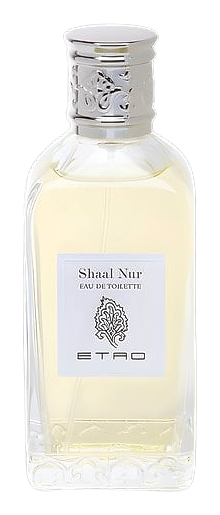
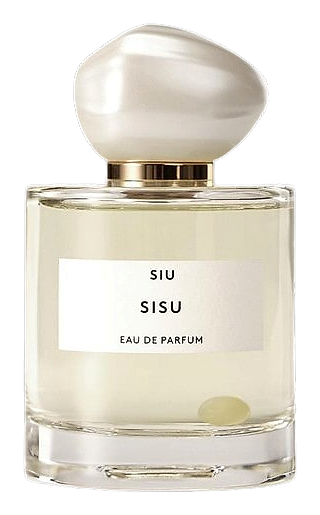
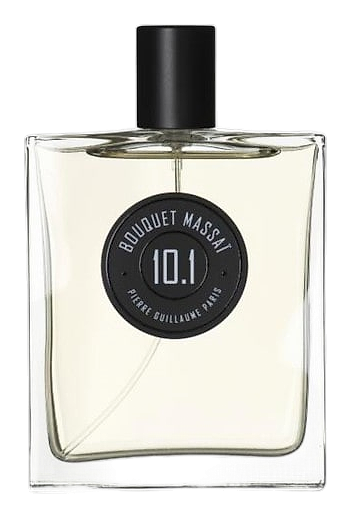
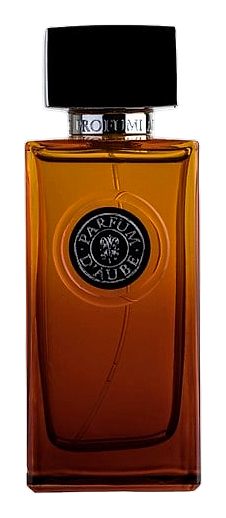
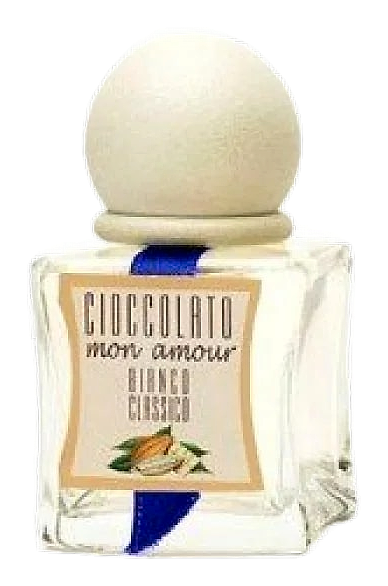
Fragrances featuring Karo Karounde
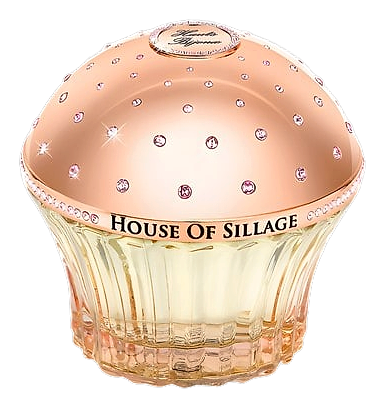
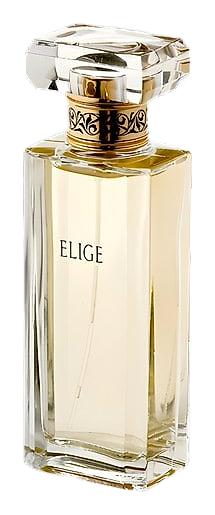
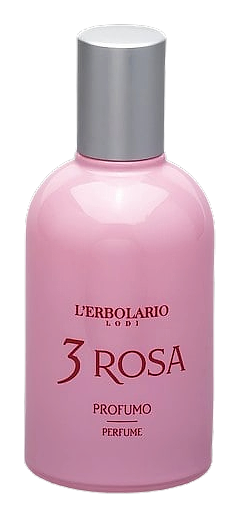
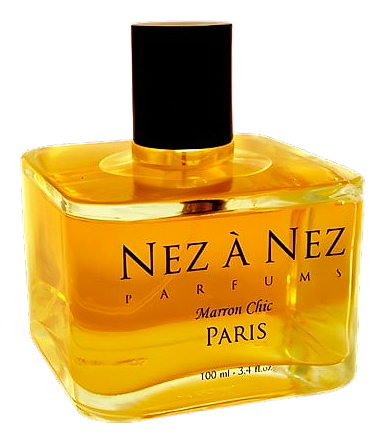
Brands
Brands known for Karo Karounde
Good to know
Questions, answered
The essentials on Karo Karounde in perfumery: how it smells, where it comes from, and how it behaves on skin.
What does Karo Karounde smell like?
Karo Karounde smells like jasmine with an intensified green quality and subtle animal warmth. The scent carries indolic depth alongside bright floral sweetness, creating a distinctive profile unlike more familiar white florals.
Where does Karo Karounde come from?
This ingredient originates from Leptactina senegambica, a thorny shrub growing exclusively in the Fouta Djalon highlands of Guinea at elevations above 900 meters. The rugged mountain environment influences the plant's scent development.
Is Karo Karounde natural or synthetic?
Karo Karounde is a completely natural ingredient. It comes from actual Leptactina senegambica flowers harvested by hand and processed through solvent extraction. No synthetic equivalent exists at commercial scale.
How is Karo Karounde extracted?
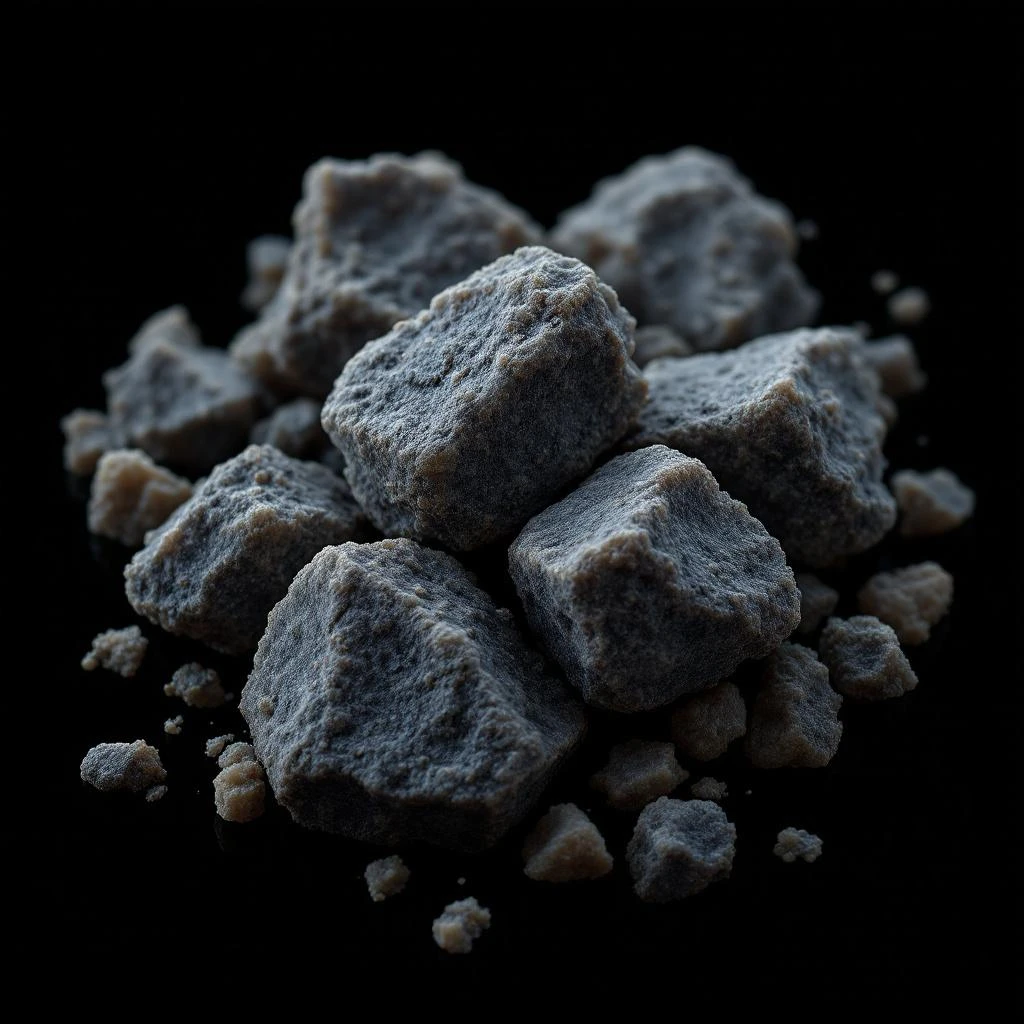
Fresh flowers undergo solvent extraction using hexane, producing a concrete that is then washed with ethanol and cooled to separate the absolute. This two-stage process preserves fragile aromatic compounds that heat-based methods would destroy.
What fragrances pair well with Karo Karounde?
Karo Karounde combines effectively with other white florals like tuberose and ylang-ylang. It also works alongside woody materials such as sandalwood and cedar, adding depth and exotic character to the composition.
Is Karo Karounde rare in perfumery?
Yes, Karo Karounde is exceptionally rare. Annual production is measured in only a few kilograms. Few fragrance houses currently use it, making it one of the least available natural floral ingredients from Africa.
What types of fragrances use Karo Karounde?
Karo Karounde appears primarily in niche and artisan fragrances seeking distinctive African materials. It suits oriental, floral, and atmospheric compositions requiring unusual natural ingredients with strong character.
Does Karo Karounde have any safety considerations?
IFRA guidelines apply to Karo Karounde as with other floral absolutes. Specific concentration limits depend on the finished product type. Professional formulation requires reviewing current IFRA standards for indole-containing materials.