The Story
Why it exists.
The beginning
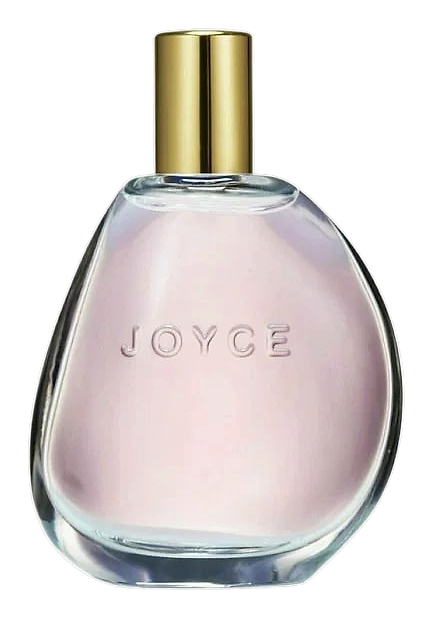
Joyce Rose arrived in 2020 from the Oriflame studio, composed by perfumer Fanny Bal. It's a floral built around an unlikely pairing: the bright snap of pink pepper and almond against the creamy indolic warmth of jasmine, ylang-ylang, and tuberose. The composition leans Oriental Floral in its architecture but reads airy in practice, a tension that defines its character. Bal's approach here trades heavy sweetness for something diaphanous, letting the white florals breathe rather than smother.
The choice of Madagascan ylang-ylang is the tell. That material carries a ripe sweetness and density that most perfumers either commit to or avoid entirely. Bal threads it through jasmine and tuberose, two of the most recognizable white florals in the palette, then surrounds them with the gentle cushion of almond and pink pepper at the heart. The base, with sandalwood and vanilla, sits beneath everything like a quiet foundation. The result is a bouquet that could easily turn syrupy but instead floats, held aloft by the pepper's lift and the citruses' opening brightness.
The evolution
The first ten minutes are almost fizzy. Citrus and pink pepper arrive first, giving an impression of something sharper than what's coming. Almond rounds the edge quickly, softening into the floral heart within 20 minutes. Jasmine and ylang-ylang take center stage for the first hour and a half, with tuberose lurking underneath adding a creamy weight. By the two-hour mark the florals begin to recede, and the base emerges: sandalwood's woody creaminess, tonka's subtle almond warmth, vanilla's quiet sweetness. The composition reads as a fleeting, delicate presence that stays close to skin and forms a personal scent bubble rather than announcing itself to a room. It's a brief, beautiful visit that rewards those who lean in rather than stepping back to catch the sillage. The drydown has a way of revealing itself in slow degrees, each note withdrawing just enough to let the next speak.
Cultural impact
Joyce Rose sits within a category of soft, skin-oriented florals designed to feel personal and close rather than projected. The fragrance leans into white floral richness, built around jasmine, tuberose, and ylang-ylang, with a warm base of sandalwood, tonka, and vanilla that gives it a rounded, slightly gourmand edge. Pink pepper and citrus at the opening keep the composition from drifting into pure sweetness, while almond bridges the top and heart with a smooth, almost nutty transition. The name itself evokes a sense of romantic classicism, the kind of moniker associated with timeless floral perfumery rather than contemporary minimalism.