The Story
Why it exists.
The beginning
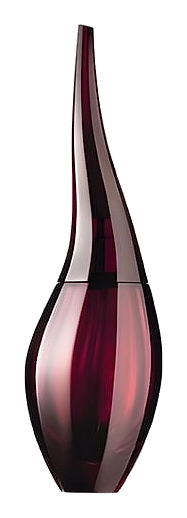
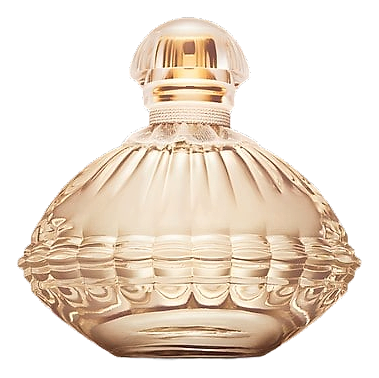
White Magic came together in 2012, formulated by Nathalie Lorson for Oriflame's Elvie collection. The opening is bright and a little confrontational: red pepper sits at the top, a single spark set against the neroli and bergamot. The pepper gives the citrus something to push against instead of just floating prettily on skin, and that contrast defines the first few minutes of the wear. As the hours pass, the composition settles into a softer register, holding a quiet warmth that lingers without ever shouting. The structure has three readable phases: brightness at the top, softness through the middle, and a quiet that holds for hours into the drydown.
What makes this worth paying attention to is the tension between red pepper and neroli at the top. The pepper acts as a hinge between the opening and the heart, giving the neroli an edge and a reason to exist beyond simple decoration, and it foreshadows the warm wood notes waiting underneath. The heart then drops into a trio of white florals (freesia, jasmine, orange blossom) that stay airy rather than indolic, which is the usual jasmine trap.
The evolution
The first ten minutes belong to the citrus. Bergamot and neroli arrive together, sharp and clean, and the red pepper gives the whole thing a faint warmth, like sunlit stone. It's brisk but not cold. Then the florals ease in gradually, not all at once. Freesia shows up first, green and peppery in its own right, and jasmine arrives underneath rather than on top, which keeps the volume low. Orange blossom softens everything further, lending a creamy edge that bridges into the base. By the two-hour mark, the florals have mostly stepped back. Cedar and sandalwood take over, warm but not heavy, with a quiet creamy grain. White musk settles in close to skin, and that's where the fragrance lives for the remaining hours. On fabric the next morning, it's mostly the musk, clean and slightly powdery, like something that was pressed in a book.
Cultural impact
White Magic arrived during a period when sheer, skin-close florals were a dominant presence in the everyday fragrance market, and its clean, bright composition fit comfortably into that broader current of early 2010s perfumery. The discontinued status adds a layer to how the fragrance is remembered: this is a scent that some people wore as a daily signature, now harder to find on shelves, which shifts its appeal from practical everyday wear to something closer to a collector's curiosity. The blend of red pepper, neroli, and white florals gives it a character that still reads as wearable and contemporary, even years after it first appeared.
The House
OriflameOriflame began in Stockholm and grew into a global beauty network that includes a fragrance line aimed at everyday consumers. The brand offers a range of scents such as Serene Blue (2004), Deep Woods (2000) and Amber Elixir Mystery (2020). Its products reach more than 60 markets through a community of independent consultants who sell directly to friends and family. The company blends Swedish design with a focus on approachable, well‑crafted perfumes.
The Creator
Nathalie LorsonWoody notes are definitely a signature for Lorson, often combined with a touch of spice or sweetness to create depth and complexity. She has a knack for balancing contrasting elements, like dark and light, masculine and feminine, resulting in fragrances that are both intriguin…