
The Story
Why it exists.
The beginning
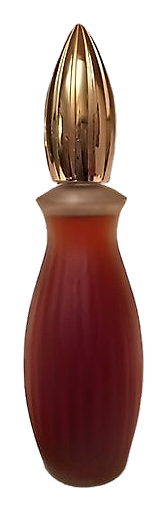
In 1975, the Soviet fragrance house Novaya Zarya released EPAS, a limited women's composition from the brand's catalog. The scent was created by Pavel Ivanov, a perfumer working at the Moscow house. Roughly 200,000 pieces were produced, and the scent was marketed internationally in collaboration with Revlon. The composition itself pairs lavender and citrus through its opening and into a heart where sandalwood and musk arrive early, anchoring the base without flattening the airier notes that surround them. The result carries a distinctly clean, decisive tone from first spray through the close, with the lavender's cool thread weaving through every phase of the wear.
What makes EPAS structurally interesting is the doubled presence of lavender and citrus across both the opening and the heart. That repetition reads as a choice rather than an accident, the lavender cool note running underneath the floral transition like a wire through fabric, holding the composition together as it shifts registers. The sandalwood and musk, arriving early in the heart and anchoring the base, ground the airier notes without flattening them, lending the whole thing a sense of weight that keeps the florals from drifting away as the hours pass.
The evolution
The first minutes are sharp and bright, citrus giving way to lavender in a clean, almost bracing exchange. Then the composition opens up. The florals arrive not as a bouquet but as a suggestion, something softer and less defined, while sandalwood and musk begin pulling the lavender downward, warming it from the inside. The transition happens gradually, over the first hour or so, with each phase bleeding gently into the next rather than stepping aside for it. As the hours pass, the sharpness softens into a close warmth that sits close to the skin, the soapy quality of the musk growing more pronounced the longer the fragrance wears. What lingers longest is a clean, soapy musk that reads almost like warm laundry against the body, the lavender's ghost still detectable beneath it, faint but unmistakably present.
Cultural impact
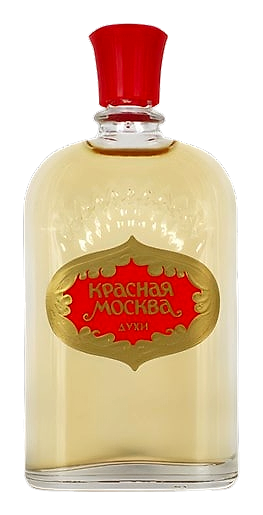
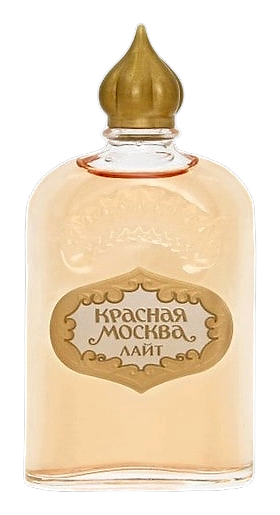
EPAS shares shelf space with the brand's better-known Krasnaya Moskva, and the two read as distinct expressions from the same house. Where Krasnaya Moskva leans into a richer, denser floral tradition, EPAS carries a lighter, more transparent structure, built around lavender and citrus at the top and grounded by sandalwood and musk at the base. The Revlon collaboration brought the fragrance to wider international markets, introducing the composition to wearers beyond the Soviet domestic audience it was originally produced for.
The House
Новая Заря (The New Dawn)Novaya Zarya (The New Dawn) stands as one of Russia's oldest and most historically significant perfume houses, operating from Moscow for more than a century. The house occupies a unique position in fragrance history as a bridge between pre-revolutionary Russian perfumery traditions and Soviet-era industrial production. Its catalog spans from elaborate artistic compositions inspired by literature and folklore to accessible everyday scents. The house gained recognition through collaborations with Russian literary institutions, creating fragrances that translate classic works into olfactory form. Viktoria Vlasova, a fragrance historian, has documented how Novaya Zarya fragrances reflect changing cultural and social attitudes in Moscow across decades. The house maintains a distinct Russian identity, avoiding comparison to Western houses while producing scents that resonate with both domestic audiences and international collectors seeking authentic Soviet-era fragrances.
The Creator
Pavel IvanovIvanov worked primarily within the chypre and floral families, though he was known for pushing Russian florals into darker, more resinous territory than their Western counterparts. He favored rich animalic notes and warm balsams, often anchoring his compositions with oakmoss a…