
The Story
Why it exists.
The beginning
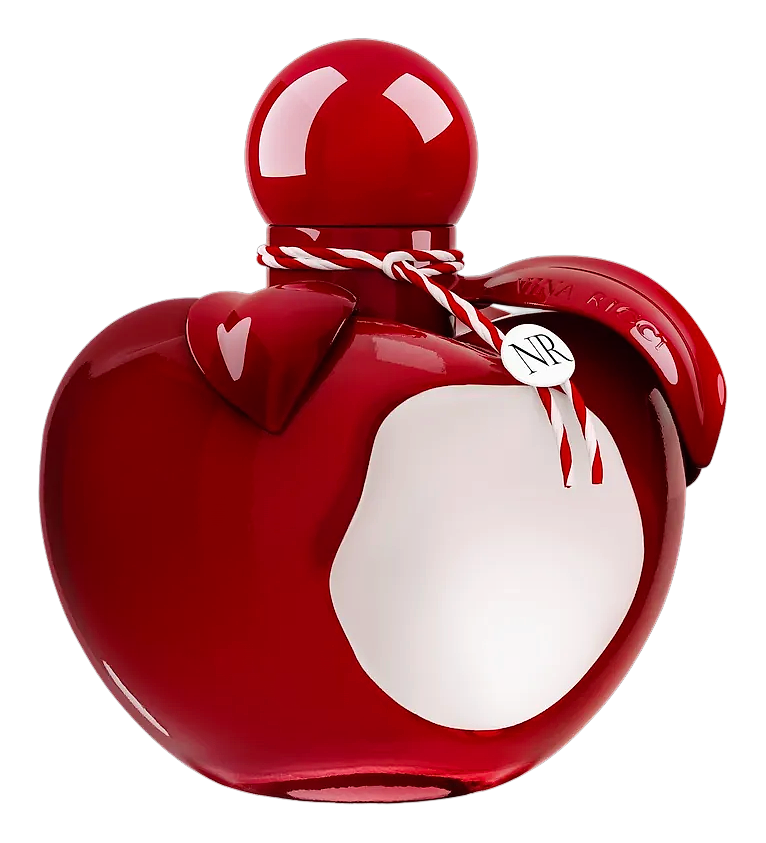
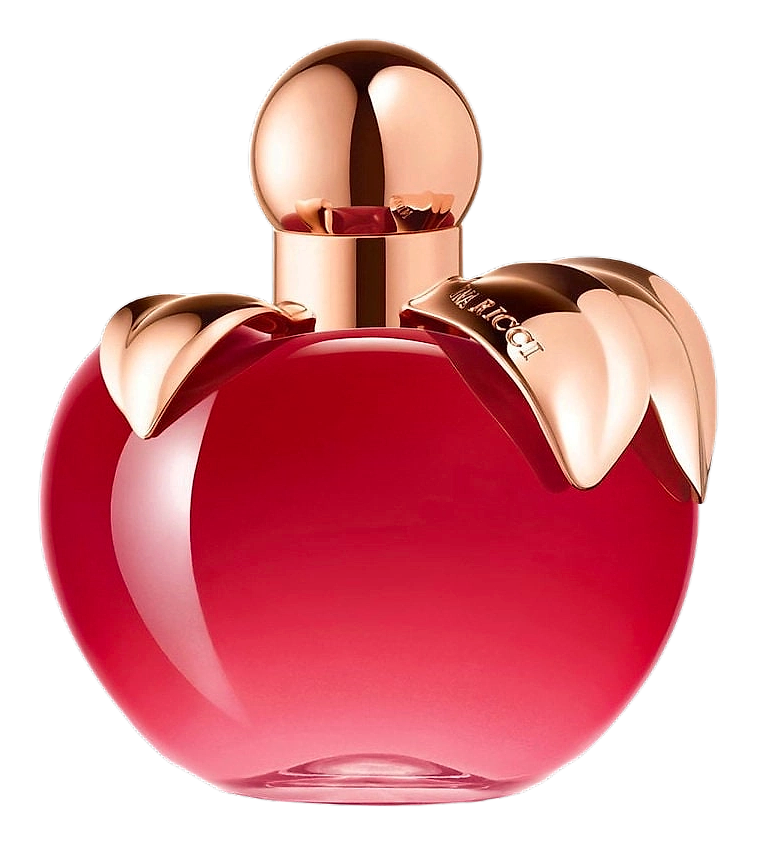
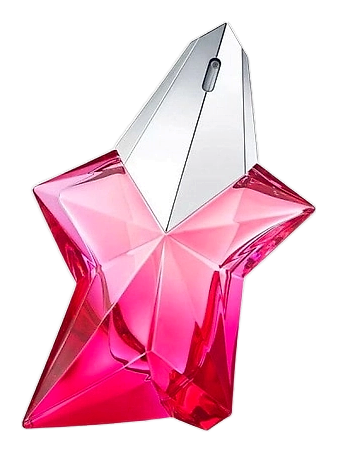
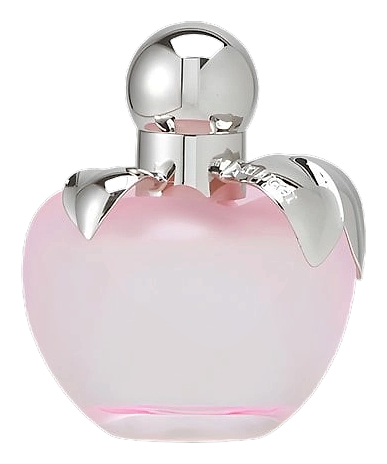
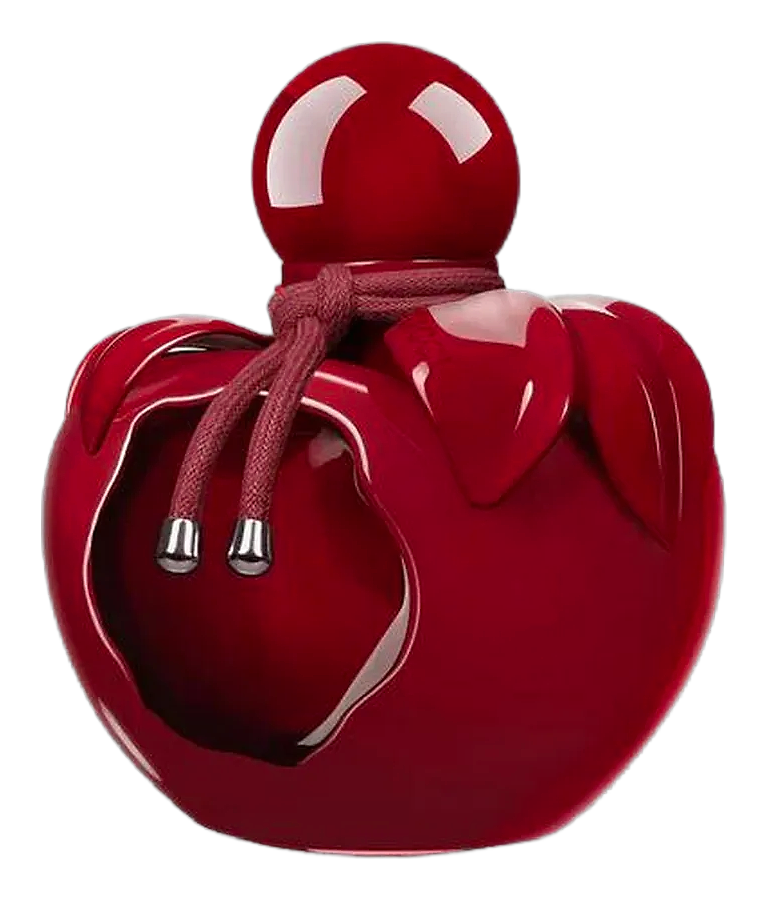
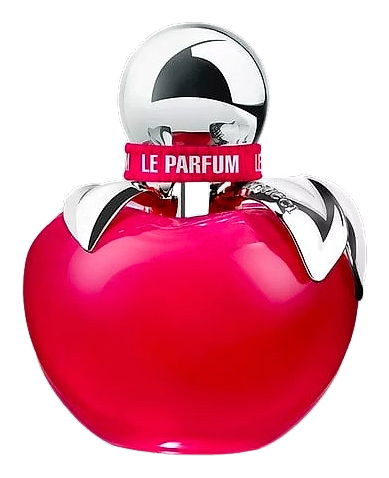
Nina Le Parfum arrived as an amplified statement. The perfumer revisited the structure and pushed it further, bolder florals, warmer base, longer presence. Gardenia and tuberose form the heart, amplified by orange blossom, anchored by amberwood and vanilla. The result is an Eau de Parfum concentration that carries a distinct weight, richer, more assertive, built to linger. The composition draws from the original Nina's framework while deepening its floral core and base warmth. It's the kind of fragrance that announces itself without needing to shout.
What makes Nina Le Parfum interesting is its restraint at the base. Two notes, amberwood and vanilla, holding down a heart of three white florals. That could go airy, almost transparent. Instead, the combination reads as warm, almost creamy. The recycled Italian lemon from fruits discarded from the food industry in the opening adds tanginess without sharpness. It's a composition that trusts the florals to do the talking while the base keeps everything grounded.
The evolution
The opening hits bright and tart, green apple and Italian lemon. That apple note is unmistakable, the kind that arrives crisp and stays for the first hour. Then the florals take over. Gardenia arrives first, thick and creamy. Tuberose follows with its characteristic lushness, slightly indolic, slightly dizzying. Orange blossom keeps it elegant. By the time you reach the drydown, amberwood and vanilla have settled into something warm and close to the skin. The vanilla in the base sweetens the drydown without making it gourmand, just warm, soft, and intimate. The composition evolves throughout the wear, with each note revealing itself in layers. The apple and lemon create an initial burst of freshness that gradually gives way to the creamy floral heart. As the fragrance develops, the woody and vanilla base emerges, providing a smooth, understated finish that lingers close to the skin.
Cultural impact
Nina Le Parfum has found its audience among wearers who want a white floral that doesn't apologize for itself. The tuberose-heavy heart and warm amber-vanilla base create a bold, noticeable presence. It appeals to those seeking a fragrance with an unapologetic character, where the floral intensity speaks for itself. The composition is designed for impact, drawing attention without becoming overbearing. Wearers who gravitate toward this scent typically appreciate its confident, unapologetic approach to white florals. It has carved a niche for itself among those who believe femininity deserves to be felt, not just seen.
The House
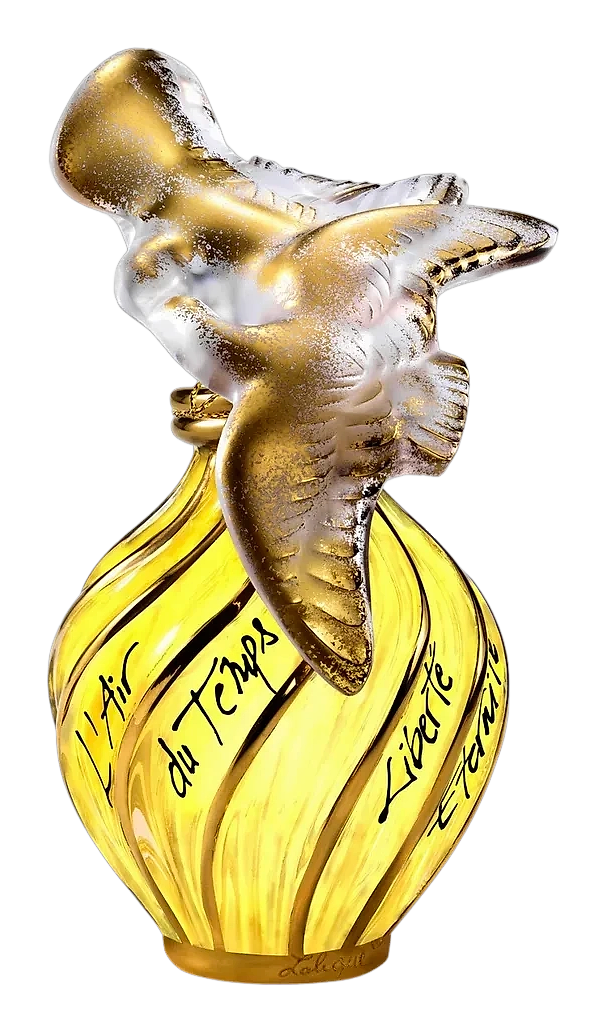
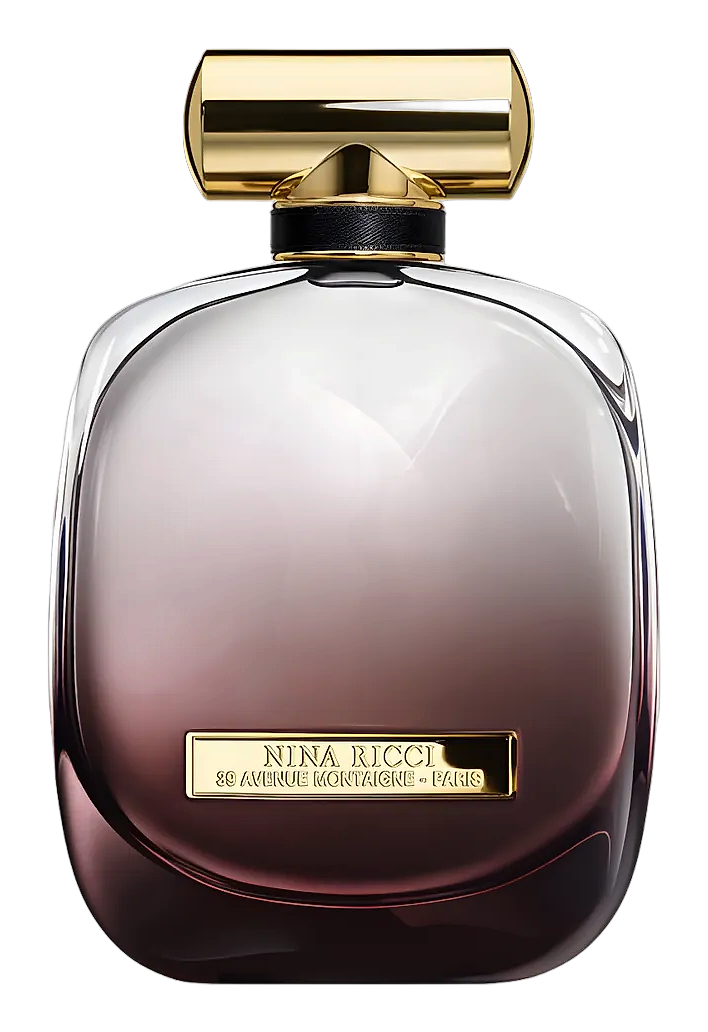
Nina RicciNina Ricci is a Parisian fashion house founded in 1932 by Italian-born designer Maria "Nina" Ricci and her son Robert Ricci. The house began as a couture salon on Rue Haussmann, quickly establishing a reputation for refined, feminine gowns with romantic sensibility. Robert established an in-house perfume division in 1941, though the first fragrance would not arrive until 1946. That inaugural scent, Coeur Joie, marked the beginning of a partnership with Lalique that would define the house's olfactory identity. The house introduced its most celebrated fragrance, L'Air du Temps, in 1948, a scent that remains in production decades later. Puig acquired Nina Ricci in 1998, bringing the house under the same ownership that manages Carolina Herrera and Jean Paul Gaultier. Today, the fragrance collection spans from timeless classics to contemporary offerings like the Nina line, maintaining the house's commitment to feminine elegance.
The Creator
Olivier CrespCresp's signature style often features a blend of fresh, clean notes with warm, comforting accords. He's known for his masterful use of fruit notes, particularly fig and berries, which he often combines with florals and musks to create scents that are both inviting and sophist…