The Story
Why it exists.
The beginning
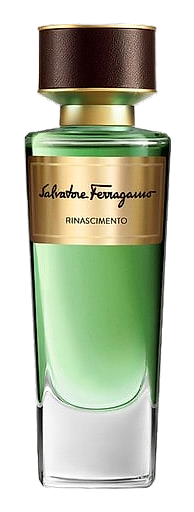
Rinascimento means rebirth, and that's not accidental. The name pulls from the Italian Renaissance, a period when Florence became the center of everything. Salvatore Ferragamo built his house in that same city in 1927, and the fragrance carries that weight. Perfumer Alexander Lee designed this as a study in transformation, what stays, what changes, what the wearer carries forward. The name suggests an Italian idea of beauty that doesn't erase the past. It reinterprets it.
What makes Rinascimento structurally interesting is the tension between green and creamy. Basil and black pepper open sharp and aromatic, almost medicinal in their cleanliness. Italian mandarin adds brightness but doesn't linger. The real story begins when tuberose arrives, and it arrives with intention. Lily adds a waxy, slightly sweet counterweight. Iris, the root, not the flower, brings powdery earthiness that stops the florals from becoming too much. It's a composition that could tip into cloying. It doesn't. The balance is deliberate.
The evolution
The opening hits immediately, basil and black pepper first, that green-spark that cools. Mandarin arrives with a flash of citrus but fades fast, leaving the herbs to take over. The transition to heart takes its time. The tuberose doesn't tiptoe in. It enters the composition like it has somewhere to be, creamy and full, slightly animalic in the way tuberose can be when it wants to. Lily softens it slightly, that waxy bloom quality. The iris is the quiet workhorse, powdery and slightly bitter, keeping the florals from becoming too much. Then the base arrives. Sandalwood wraps around the florals, warm and creamy. Vetiver adds a green, slightly smoky thread. Ambroxan extends everything, that ambergris-like warmth that sits close to the skin and doesn't let go. Eight to ten hours on most. Moderate sillage throughout, present but not announced. Close enough to feel, far enough to wonder.
Cultural impact
Part of Ferragamo's Tuscan Creations line, Rinascimento fits within the house's broader philosophy of Italian restraint applied to modern perfumery. The moderate sillage and long wear reflect a preference for presence over announcement, the kind of fragrance someone chooses when they no longer need to prove anything. It's worn by people who understand that the best things in Italian design don't announce themselves.