The Story
Why it exists.
The beginning
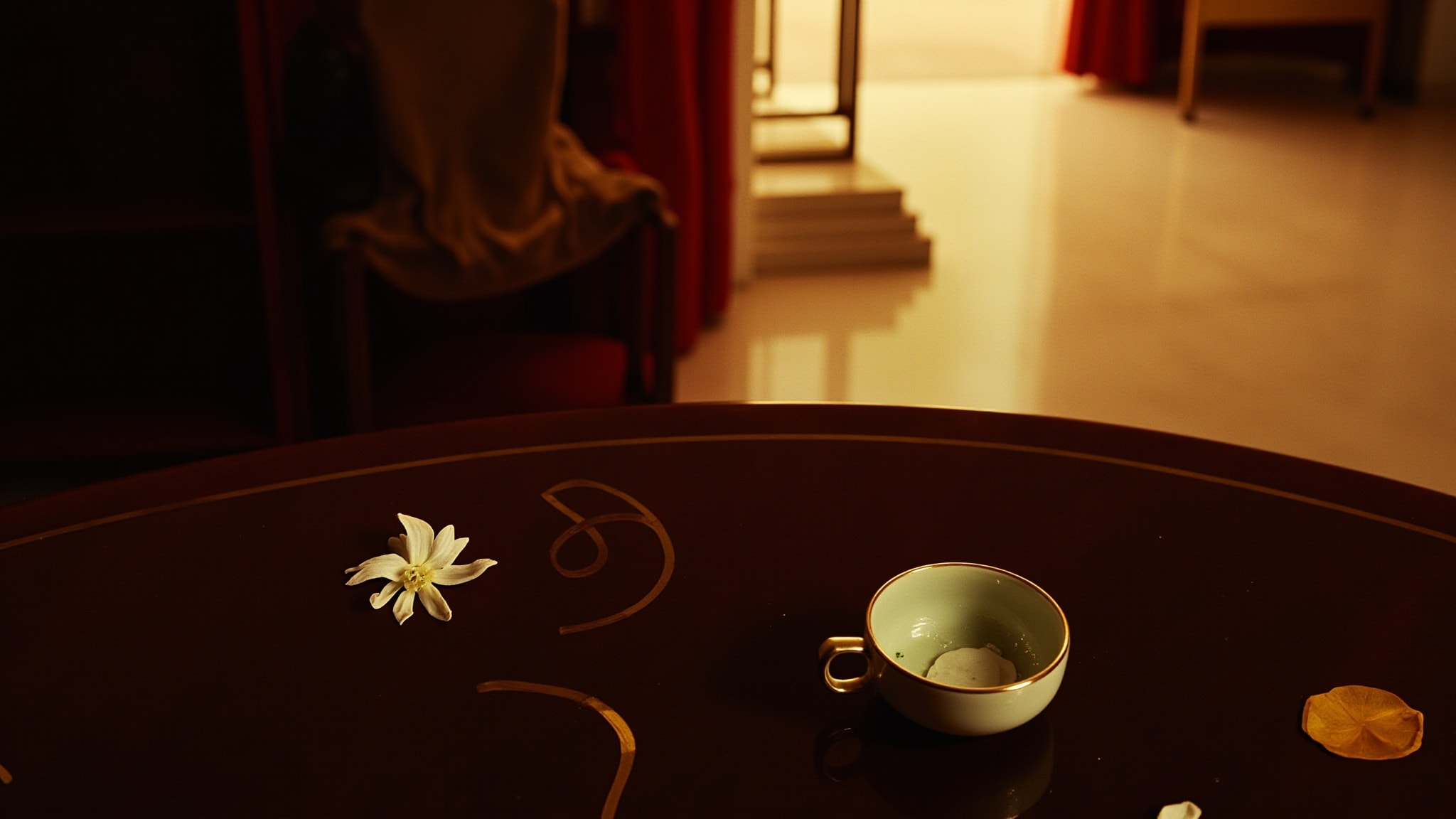
Shanghai in the 1930s was an extraordinary city at an unusual time, and Astrophil & Stella named this fragrance for that moment. Cool green tea opens the composition, precise and clean, then the florals arrive like heat rising from pavement. The interplay between the crisp tea note and lush white florals creates a sense of layered complexity. Arturetto Landi composed this fragrance with a keen sense of balance, letting each element support the others. As the scent develops, the green tea recedes to reveal deeper floral warmth, creating the impression of a city unfolding in layers. A city captured in a bottle.
The green tea isn't a decorative note here. It's the structural choice. It opens the composition with something cool and almost astringent, a bridge between the air-conditioned lounge and the humid street outside. When it fades, the florals take over without ceremony, which is the point. The jasmine sambac and tuberose don't wait for permission. They're already there, already lush, already warm. Ylang-ylang adds the tropical weight, magnolia adds a clean metallic coolness that mirrors the green tea's astringency. Orchid adds the dusty powdery counterpoint. It's a white floral heart that knows exactly what it is.
The evolution
The opening hits green tea, mango, plum, bright and slightly sweet, like fruit cooling in a glass. Cool but not cold. Then the florals arrive. Tuberose first, jasmine sambac following close behind, magnolia somewhere in the back making everyone else slightly more elegant. The green tea is still there but dissolving. Five minutes in, it doesn't feel like the same fragrance. Twenty minutes in, the drydown is already thinking about appearing, amber and vanilla warming the base, tonka bean adding that powdery sweetness that makes florals feel intimate instead of shouty. Two hours in, you're in the drydown. Vanilla, amber, sandalwood. Warm and close and slightly resinous from the myrrh. This is where it lives. Moderate sillage. Projects for three hours, then settles. Ten hours later, your skin smells like sandalwood and something you can't quite name. Memory, maybe. Or just the city.
Cultural impact
Shanghai 1930 stands apart from typical white floral fragrances. The green tea keeps it from being just another tuberose composition, adding an astringent clarity that lifts the florals without softening them. Those drawn to it appreciate the structural integrity, the way the green tea and florals coexist rather than compete. The fragrance unfolds over hours, revealing new facets as the top notes yield to the heart. It speaks in a language more complex than straightforward compositions, with enough depth to reward sustained attention.