The Story
Why it exists.
The beginning
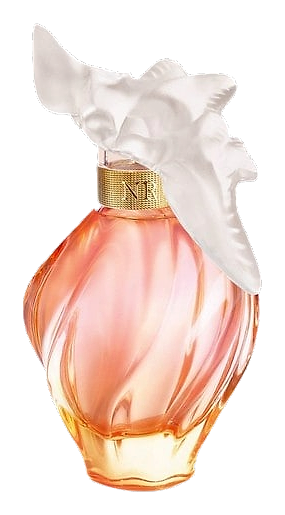
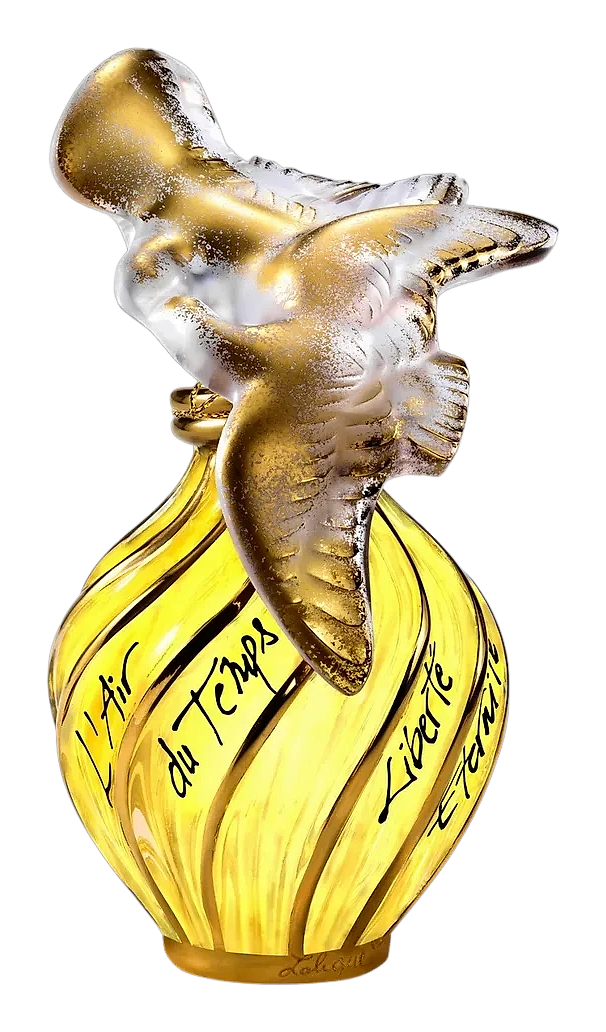
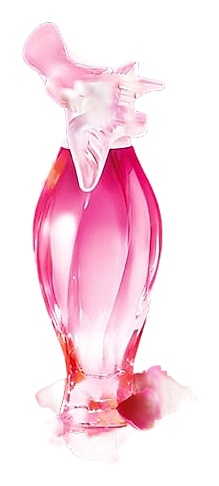
Nina Ricci's 1948 creation, L'Air du Temps, had spent six decades as a quiet declaration of Parisian romance. Then Olivier Cresp received a brief: reimagine it as an overture to spring. The result, L'Air du Printemps, arrived in 2009 as a limited edition, a pink flacon with white reflections, a sculptural cap with two legendary pigeons, made of modern crystal. Cresp drew from the original's jasmine-rose heart but softened the structure, added solar frangipani, and let the powdery finish lead. The house called it an introduction, a preview of what spring could smell like before spring arrived. That positioning made it rare. That rarity made it desirable. The fragrance wasn't meant to last forever.
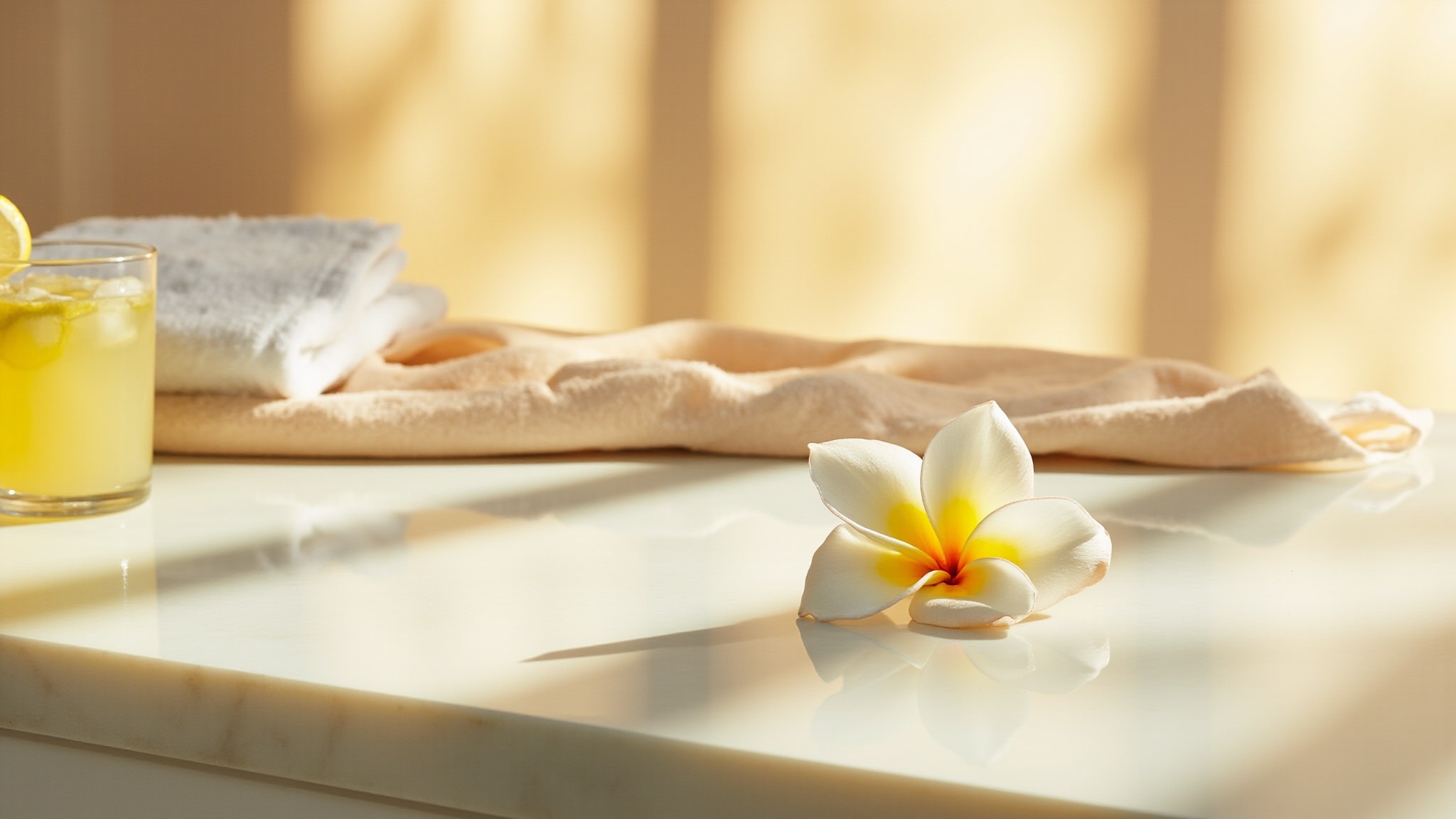
Frangipani doesn't belong in a spring fragrance. It's a tropical flower, heady, sun-warmed, the scent of somewhere humid and far away. In L'Air du Printemps, it sits between jasmine and pear, giving the white floral heart an unexpected warmth. The composition threads synthetic florals through traditional materials, Rose meets jasmine, but they're held in place by something modern underneath. This is the interesting tension: a limited edition that reaches backward while the formula moves forward.
The evolution
The opening hits bright, citron's citrus bite cutting through the rose. Thirty seconds in, the floral heart arrives all at once: jasmine's indolic richness, softened by frangipani's tropical cream. This is where L'Air du Printemps earns its name, the warmth of the white florals feels like the first warm afternoon after a long winter. The drydown takes its time. Sandalwood and cedar build slowly, the pear adding a quiet fruity sweetness that keeps the base from becoming heavy. Musk holds everything close. The sillage was never designed to fill a room. The scent stays near, intimate, persistent, personal. The powdery finish lingers on skin and fabric alike, a gentle reminder that stays with you through the day.
Cultural impact
L'Air du Printemps arrived as a limited edition, positioned as a preview of spring before spring. The original's sculptural crystal cap with two legendary pigeons had defined Nina Ricci's fragrance identity for decades; this reinterpretation brought the house into a more modern register while maintaining romantic heritage. The synthetic-floral accord brought contemporary precision to the composition, updating the house's approach while keeping the romantic spirit intact.