
The Story
Why it exists.
The beginning
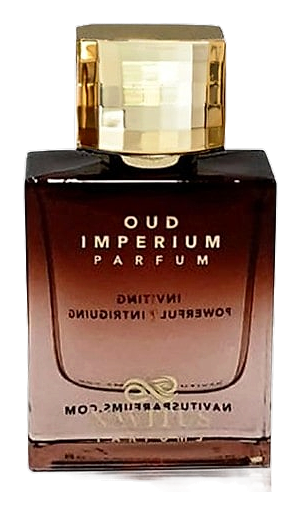
Christian Carbonnel designed Oud Imperium around a single protagonist: oud. The name carries its intent in Latin, imperium means command, empire, dominion. Every note exists to serve that central material, framing it with contrast rather than competition. The opening is bright, almost sharp, built on apple and lavender to create an aromatic freshness that arrives first and retreats second. This is not decoration. It's announcement. The perfumer understood that oud at full volume needs a counterweight, something clean to push against, so the deeper notes read as powerful rather than overwhelming. The drydown exists as resolution: amber, sandalwood, tonka bean, and nagarmotha fusing into something that earns the name. The brand's own copy frames it as an epic journey, per aspera ad astra, through hardships to the stars. The hardships are the opening. The stars are everything that follows.
Oud is the rarest material in perfumery. Aquilaria trees produce it only when infected, and the resinous wood that results carries a scent profile ranging from dark honey to barnyard animal. A natural blend, one that doesn't mask the material's more challenging facets, requires a perfumer willing to let it be itself. The fragrance unfolds with a measured confidence, each layer arriving in its own time rather than competing for attention. There's a patience to how the notes develop, revealing complexity gradually rather than all at once.
The evolution
The opening arrives clean and immediate. Apple, lemon, and lavender project bright and sharp, the kind of aromatic clarity that announces itself before you expect it. Within twenty minutes, that freshness begins to recede. What replaces it is warmer, darker, and stranger. Jasmine appears softly beneath the surface, lending a floral depth that grounds the composition. The vanilla arrives in the heart, not to sweeten but to bridge. It keeps the composition from tipping into sharpness while the oud builds beneath. By the second hour, the structure has shifted entirely. The top notes are gone. What remains is the base, amber, sandalwood, tonka bean, and nagarmotha holding close to the skin. The oud that opened so assertively has softened into something resinous and warm, no longer commanding the room but still present, still distinct.
Cultural impact
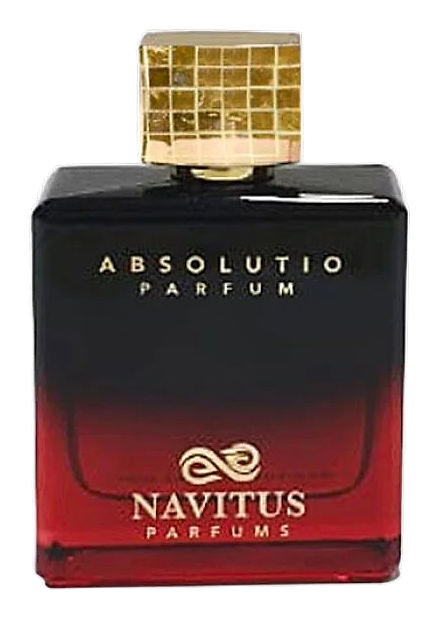
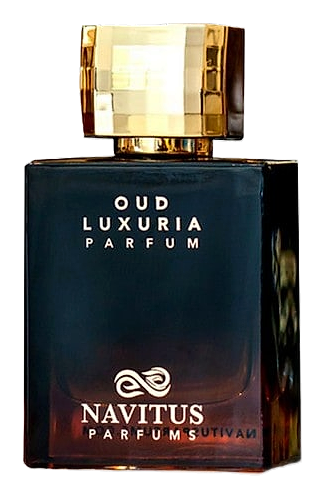
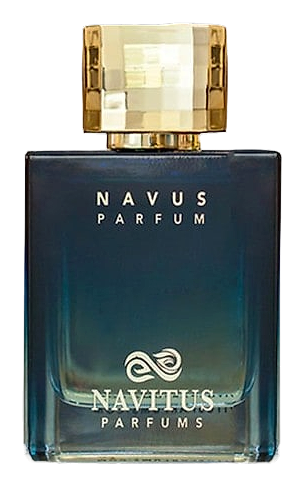
Oud Imperium arrived as part of the niche fragrance movement that challenged mainstream perfumery conventions. Navitus Parfums positioned itself among independent houses offering bold, character-driven compositions that prioritized distinctive scent profiles over mass appeal. The choice to feature oud as the protagonist reflected a desire to work with challenging materials in their most authentic form. By preserving the wood's animalic, smoky facets rather than sanitizing them, the approach offered an immersive scent experience that rewarded those willing to engage with its complexity.