The Story
Why it exists.
The beginning
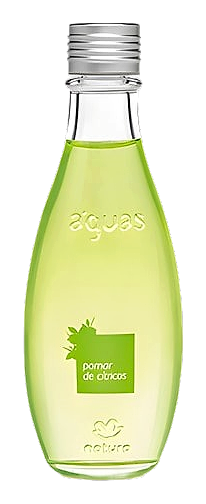
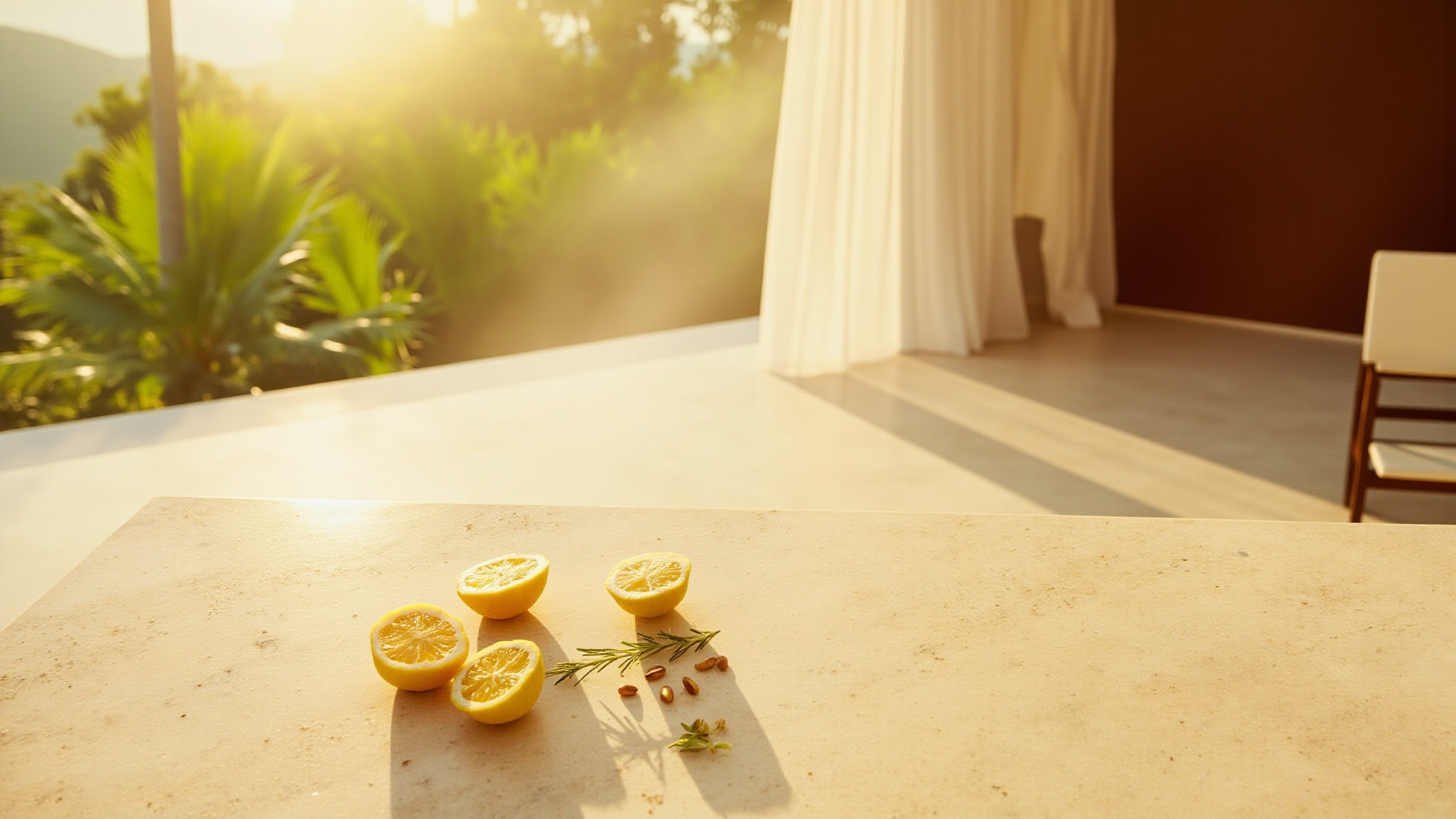
Pomar de Cítricos arrived in 2012 as part of Natura's Águas collection, a lineup of lighter, more spontaneous compositions built around botanical freshness rather than dramatic presence. The name itself translates directly: a grove of citrus trees, the kind of place where light comes through leaves in sharp angles and the air carries peel and blossom at once. Natura designed the fragrance for that moment of the morning when the day hasn't decided what it wants to be yet. Bright and unresolved. Alive.
What separates this from a standard citrus is the rosemary and lily of the valley pairing in the heart. Most citrus fragrances skip the middle entirely, they open sharp, then collapse into a warm base before you can register anything in between. Pomar de Cítricos gives you that middle act. The green, slightly herbal quality of rosemary cuts through the sweetness of the florals, creating a transition that feels botanical rather than synthetic. It's the scent equivalent of walking through a lemon grove in late morning, when the herbs underfoot are releasing their own fragrance alongside the fruit above.
The evolution
The first ten minutes are all citrus, Sicilian lemon at its sharpest, bergamot providing a rounder, almost floral counterpoint. Cardamom arrives early, threading a subtle spice through the brightness before the herbs take over. At the thirty-minute mark, rosemary and lily of the valley establish themselves. The lemon doesn't disappear, it recedes, becoming part of the background rather than the foreground. Rose adds a soft, powdery warmth to the heart that keeps the herbal notes from reading as masculine. By the second hour, the base arrives: musk and sandalwood settling close to the skin, amber providing warmth, transparent woods giving just enough structure to keep everything coherent. The drydown is intimate. Not a room-filler. A presence that someone standing next to you will notice before they can name what they're smelling.
Cultural impact
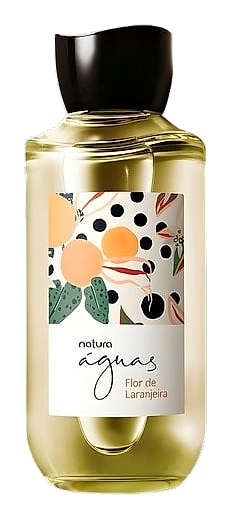
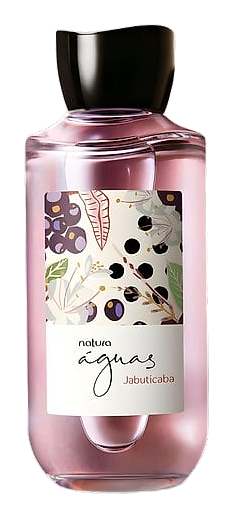
Part of Natura's Águas collection, which includes other botanical-focused fragrances like Jabuticaba, Lírio, and Flor de Laranjeira. The collection positions itself as natural and spontaneous, Brazilian in sensibility, coastal in spirit. Respected by enthusiasts who appreciate its herbal-citrus character, it enjoys particularly strong reception during the spring and summer seasons. The combination of citrus, aromatic herbs, and warm-spicy base notes places it in a versatile category that performs well in daytime settings.