
The Story
Why it exists.
The beginning
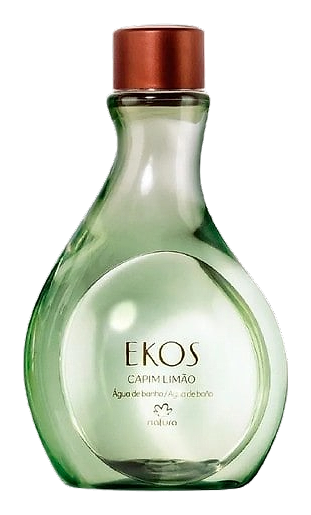
Capim-Limão, lemongrass, grows wild across Brazil's countryside. It is not rare. It is not precious. It is simply there, a part of the landscape like afternoon rain and open windows. When Verônica Kato created this fragrance for Natura in 2009, she drew from that familiar botanical character rather than reaching for something distant or unfamiliar. The name says exactly what the fragrance is. There is no mythology here, no invented origin story. Capim-Limão is a perfumer working with ingredients that feel native to the place where the fragrance was made, creating something that belongs to its surroundings. It is democratic in the best sense, a fragrance that does not require translation to be understood.
The composition builds on a tension that runs through Natura's best work: bright citrus aromatics held in place by a grounded base. Lemongrass is the defining note, grassy, slightly medicinal, unmistakably tropical. Bergamot and lemon sharpen the opening into something immediate and confident. The heart notes are where the fragrance softens. Water flowers, lavender, and lily of the valley do not overpower the lemongrass, they coexist with it, adding a quiet floral dimension that keeps the scent from reading as purely green. The base of musk, sandalwood, cedar, and amber prevents the fragrance from evaporating entirely, giving it enough weight to last without sacrificing the lightness that makes it approachable.
The evolution
The opening hits immediately. Lemongrass, lemon, bergamot, bright, citrusy, a little rough at the edges. That grassy note does not apologize for itself. It smells like crushed leaves, not a laboratory. The lemon cuts through clean, and for the first part of the wear the composition reads as crisp and direct. Then the transition begins. Slowly, almost reluctantly, the lemon fades and the water flowers arrive. Lavender and lily of the valley come forward, softening what was sharp without erasing it entirely. The lemongrass does not disappear, it recedes, becomes an undertone beneath the floral heart. This is the fragrance's most delicate phase, the part that reveals a careful hand. The green note could have been pushed harder. It was not. The drydown is quiet. Musk, sandalwood, cedar, and amber settle close to the skin, warming what was bright into something intimate.
Cultural impact
Capim-Limão occupies a particular niche in Brazilian fragrance culture, a unisex citrus-green scent that leans toward directness and regional character rather than polished formality. Its combination of botanical honesty and straightforward appeal has kept it relevant over time. The fragrance makes its case simply, without pretension, offering something that feels connected to its place of origin.