Transparent Woods
Transparent Woods reimagines the classic warmth of sandalwood and cedar through modern extraction science. Lighter, cleaner, and more contemporary than traditional wood notes, these materials deliver the structural elegance of timber without the weight.
Character
How it smells
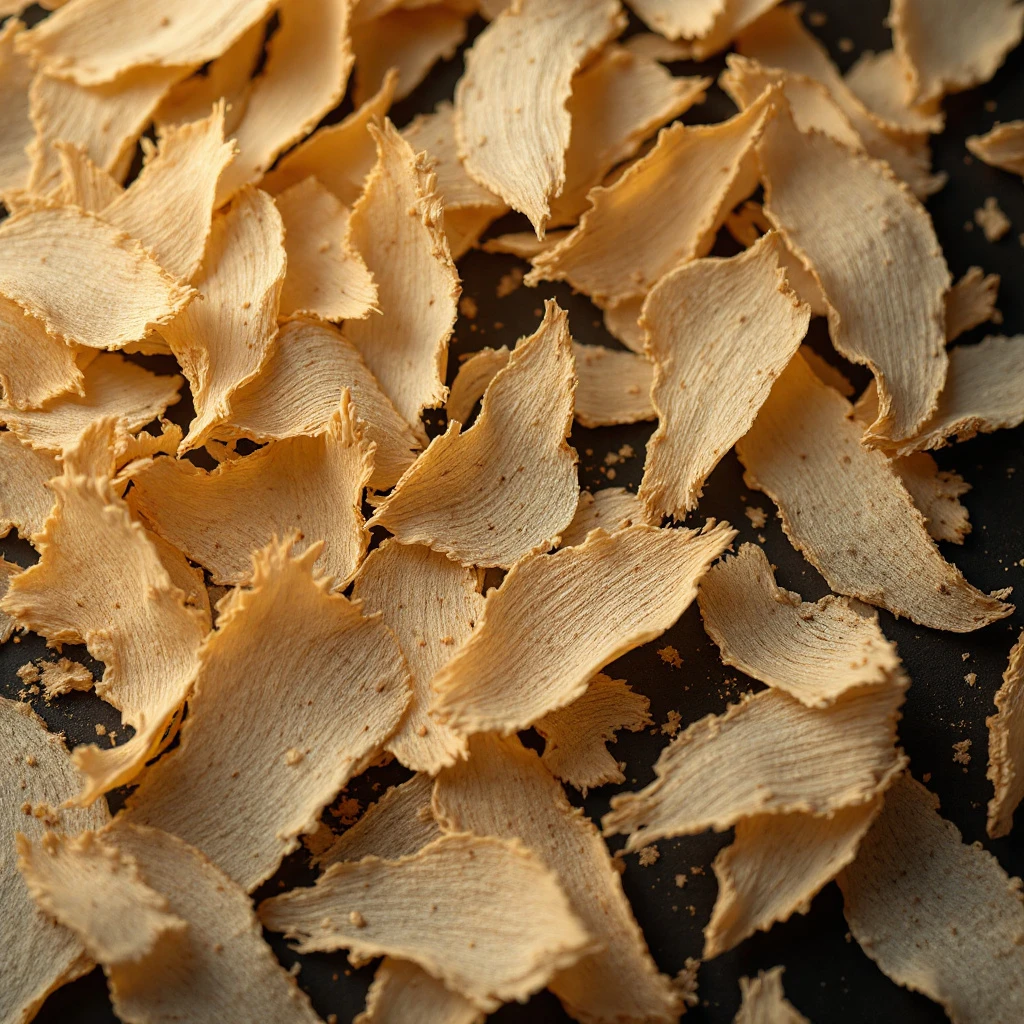
Wood stripped bare. Nothing hidden.
Transparent Woods were developed specifically to address IFRA restrictions on traditional sandalwood, proving that modern perfumery can honor natural complexity without compromising regulatory compliance.








Origin
India
Woods have anchored perfumery for thousands of years. Ancient Mesopotamian perfumers used cedarwood oil infusions in religious and cosmetic preparations. Sandalwood became sacred across South and Southeast Asian traditions, prized for its creamy, persistent warmth.
By the early 20th century, sandalwood appeared in nearly every classical fragrance as a base note. The regulatory pressure began in the 1990s when sandalwood stocks became ecologically constrained and IFRA introduced usage restrictions. The industry responded by developing alternative woody materials that preserved the functional role of wood notes while becoming lighter, more transparent, and more sustainable.
This shift represents one of perfumery's most significant ingredient evolution: the move from relying on raw botanical materials toward precision-engineered aromatic solutions that honor the spirit of traditional woods without their baggage.
Wears it best
Fragrances featuring Transparent Woods
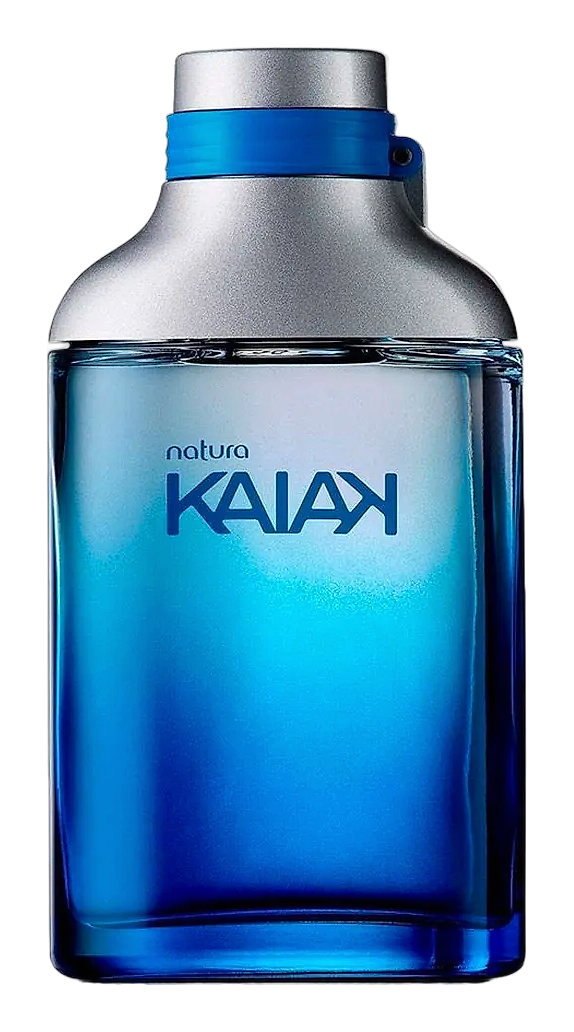
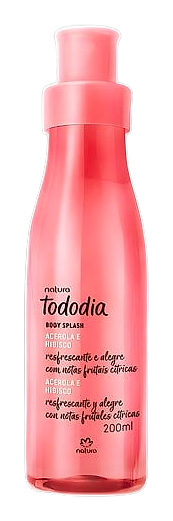
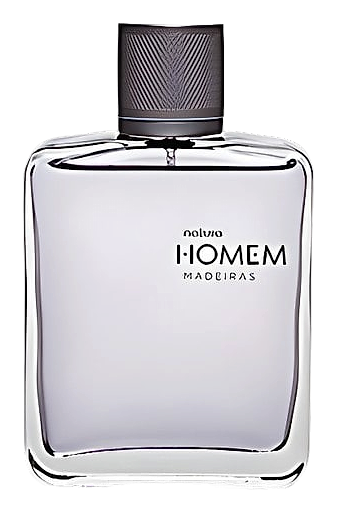
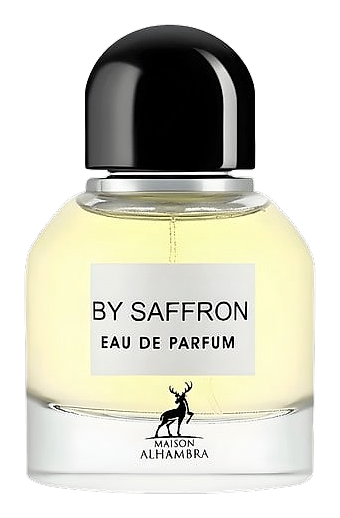
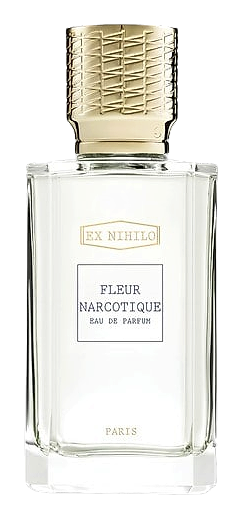
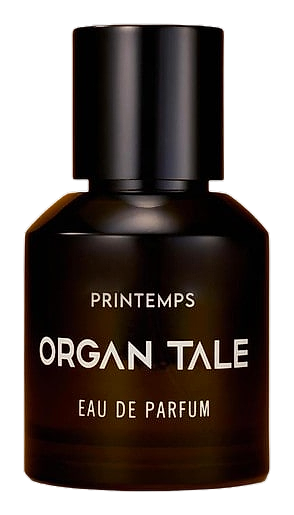
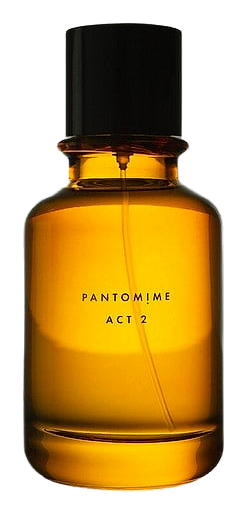
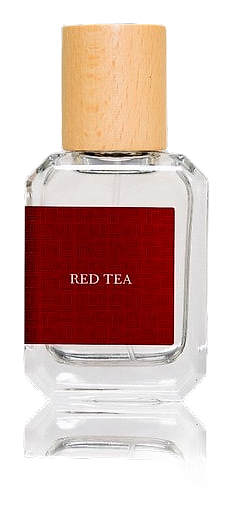
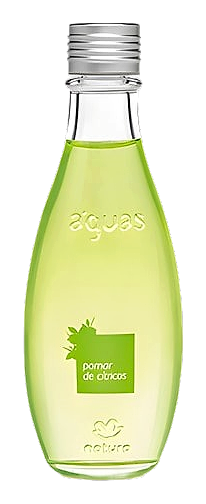
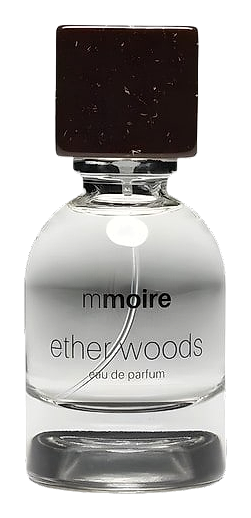
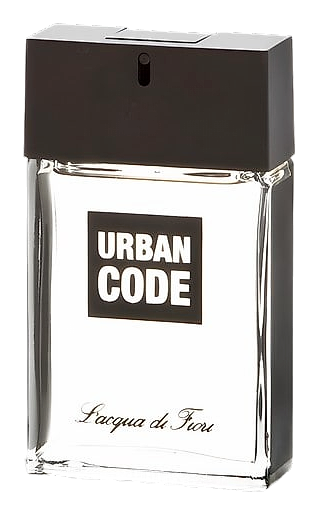
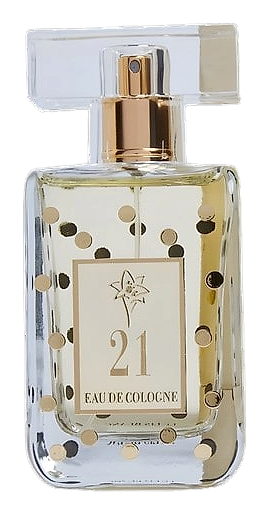
Brands
Brands known for Transparent Woods
Good to know
Questions, answered
The essentials on Transparent Woods in perfumery: how it smells, where it comes from, and how it behaves on skin.
What exactly are Transparent Woods?
Transparent Woods is a category of woody fragrance materials engineered to deliver wood-like structure with clarity and lightness. Unlike traditional woods, these materials provide transparency rather than opacity, making them ideal for modern fresh and minimal fragrances.
Are Transparent Woods natural or synthetic?
They exist on a spectrum. Some derive from natural wood via fractional distillation or CO2 extraction, isolating lighter volatile compounds. Others are synthesized molecules engineered specifically for transparent woody character. Many perfumers use both categories depending on the composition.
How do Transparent Woods differ from traditional wood notes like sandalwood?
Traditional sandalwood and cedar deliver saturated, heavy warmth. Transparent Woods offer the same structural role with a lighter hand. They blend into compositions without overwhelming, and they navigate modern regulatory requirements more easily than whole natural wood extracts.
What role do Transparent Woods play in a fragrance formula?
They typically serve as base modifiers and boosters. Transparent Woods extend the life of lighter top notes, provide subtle warmth without weight, and help integrate florals or citruses into a coherent dry-down. They act as scaffolding, not the dominant material.
Where do Transparent Woods ingredients originate?
They are sourced from multiple regions depending on the base material. Natural variants come from Indian sandalwood, American cedar, and Brazilian rosewood. Synthetic variants are developed in fragrance laboratories worldwide, with major production centered in Europe and North America.
Can Transparent Woods replace traditional woods entirely in perfumery?
Not entirely. Some classical compositions require the full-bodied character of natural sandalwood. However, for modern, airy fragrances, Transparent Woods have largely replaced heavy wood bases. Many contemporary fragrances depend almost entirely on transparent woody materials for their backbone.
Are Transparent Woods more sustainable than traditional wood ingredients?
Yes, significantly. Traditional sandalwood faced severe overharvesting. Transparent Woods, particularly synthetics and biotech-derived molecules, reduce pressure on wild botanical stocks. Fractional distillation also extracts more value per unit of natural material.
Do Transparent Woods appear in high-end and niche fragrances?
Absolutely. Transparent Woods are especially valued in modern high-end perfumery where lightness and transparency are prized. Niche houses often combine natural transparent isolates with synthetic woody molecules to create complex, contemporary bases that distinguish their work from mass-market fragrances.