
The Story
Why it exists.
The beginning
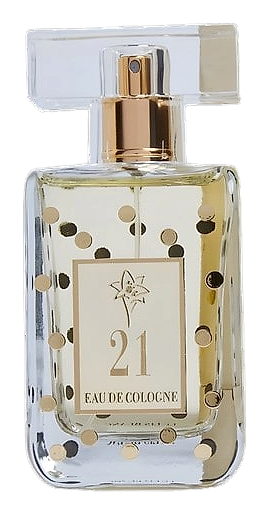
Le Lis Blanc built an entire identity on one fragrance. The 21 marks a milestone, a house that could have expanded, didn't. In 2009, perfumers Paulo de Moraes and Eurico Mazzini composed something that let restraint do the talking. The white lily has symbolized purity and understated elegance across cultures for centuries. Le Lis Blanc took that seriously enough to stake everything on it.
The note structure is unusually clean for an Oriental. Bamboo and mandarin open bright and sharp, sage adds an herbal counter, almost bitter, but never harsh. The heart layers cedar leaves against violet, giving the green something powdery to lean into. Then amber and musk arrive to anchor everything, warm and close. It's not trying to reinvent anything. It's trying to get it exactly right.
The evolution
The opening hits fast. Mandarin and bamboo arrive in quick succession, the citrus cutting through while the bamboo adds a fresh, green lift. The sage doesn't wait, it arrives slightly bitter, herbal, like crushed stems releasing oil. The mandarin fades within twenty minutes, but the sage holds longer, giving the composition a green backbone throughout most of its life. By the third hour, the violet and cedar have settled into something powdery and soft. The drydown belongs to amber and musk, warm, close, intimate. What was once sharp and green has become a quiet whisper on skin.
Cultural impact
Fragrance collectors have noted Le Lis Blanc 21 for its clean, honest character, a green Oriental that doesn't perform. The straightforward note profile draws wearers who want something uncomplicated and direct. It occupies a quieter corner of the market, appreciated more than celebrated. The 2009 launch date places it in a period when minimalist perfumery was gaining ground but hadn't yet become mainstream. It's remained in production since then, a slow-burner for those who find it.