Heritage
A house, in its own words
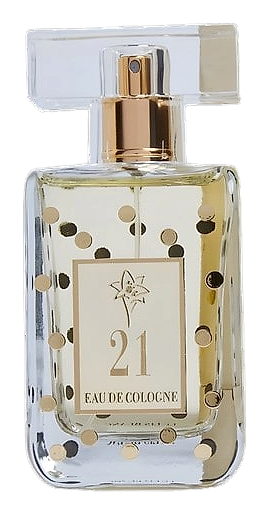
The available documentation on Le Lis Blanc's heritage presents significant gaps, making it difficult to construct a comprehensive narrative of the brand's origins. The house appears to be a relatively new entrant in the fragrance world, with only one perfume documented. The year 2009 marks the brand's recorded debut through the release of Le Lis Blanc 21. Beyond this single data point, verifiable information about founding circumstances, geographic origin, or the identities of creators remains scarce. Some fragrance historians and collectors have speculated about connections between the name and French perfumery traditions, given that 'Le Lis Blanc' translates directly to 'The White Lily,' a flower with deep symbolic significance in French culture and art. However, such connections remain unverified through independent sources. The absence of documented awards, industry recognition, or public founder interviews means that any discussion of the brand's heritage must acknowledge these limitations. What can be stated with confidence is that Le Lis Blanc chose to enter the market at a moment when the fragrance industry was experiencing significant democratization, with independent and niche houses gaining visibility alongside heritage brands. Le Lis Blanc appears to operate on a philosophy of radical simplicity and singular focus. Rather than building a catalog of variations or seasonal releases, the brand staked its entire identity on one fragrance composition. This approach suggests a belief that a single, well-executed creation can communicate more effectively than a sprawling portfolio. The white lily, which inspired the brand's name, carries connotations of purity, renewal, and understated elegance across various cultural traditions. These associations may inform the brand's broader approach to scent creation, prioritizing clarity and refinement over complexity or shock value. Without access to official brand statements or founder interviews, the precise philosophical underpinnings remain interpretive rather than definitively documented. The decision to release just one perfume and maintain such a limited public presence could reflect values around exclusivity, artistic integrity, or perhaps simply limited resources for broader production. The fragrance industry has seen various approaches to brand philosophy, from artisanal exclusivity to mass-market accessibility, and Le Lis Blanc's sparse footprint defies easy categorization within these frameworks.