The Story
Why it exists.
The beginning
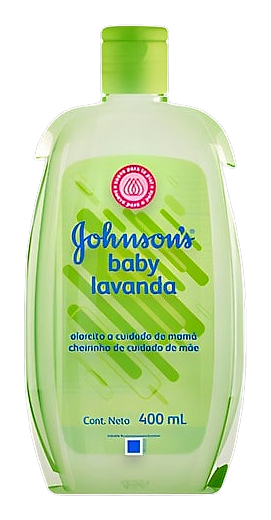
The Johnson brothers, Robert, James, and Edward, weren't perfumers by trade. They were medical supply manufacturers who, in 1886, built something far larger than a company: a framework for how families would care for their children. By 1953, they applied that same logic to scent. Baby Lavanda wasn't conceived as a fragrance in the traditional sense. It was conceived as an olfactory constant, something that could live on a baby's skin, in a nursery, on freshly washed linens, without ever asking too much of the wearer. The name says it all: Baby, for the gentleness expected of the brand, and Lavanda, for the material itself, lavender, chosen for its associations with calm and cleanliness that cross cultural lines. It launched without fanfare and without the expectation of becoming anything more than functional. That's exactly what made it endure.
Lavender is a tricky material. In lesser hands, it swings medicinal or sharp. In Baby Lavanda, the lavender is held in check by chamomile, a pairing as deliberate as it is gentle. Chamomile's soft, apple-like sweetness rounds the edges of lavender's camphoraceous bite, creating a balance that feels effortless rather than engineered. The citrus note functions as a lift, preventing the blend from settling too heavy or too sweet. What emerges is something that reads as familiar almost instantly, the olfactory equivalent of a familiar song heard through a wall. You know it before you've consciously registered why.
The evolution
The opening arrives bright and clean, citrus lifting the lavender immediately so the first impression reads as fresh rather than herbal. Within fifteen minutes, the chamomile begins to assert itself, softening the initial sharpness into something rounder and more familiar. This is the phase that most wearers describe as "the baby smell", that clean, slightly sweet warmth that lingers at the edges of memory. The drydown is where Baby Lavanda earns its reputation for staying power. The lavender doesn't disappear; it settles, becoming a quiet, powdery warmth that clings to skin and fabric with stubborn persistence. Four to six hours is the typical window, though on clothing it can persist into the next day, faint, but unmistakable, like the ghost of a good night's sleep.
Cultural impact
Baby Lavanda has occupied a quiet corner of the fragrance world since 1953, making it one of the oldest continuously available lavender-based fragrances on the market, long before the modern wellness and aromatherapy movements picked lavender as their signature material. Its cultural position is unusual: it exists as much in the realm of memory as in perfumery. For many, the scent triggers an immediate, almost involuntary sense of safety and nostalgia. The fragrance doesn't compete in the luxury or niche space. It occupies something more specific, the intersection of heritage, comfort, and daily ritual.