The Story
Why it exists.
The beginning
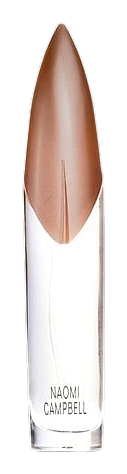
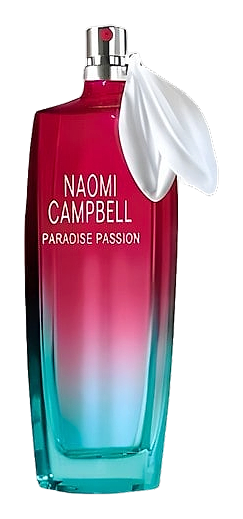
Paradise Passion arrived in 2005, the work of Françoise Caron, a perfumer whose name carries weight for anyone paying attention to fine fragrance. It came mid-decade for the Naomi Campbell line, and it arrived with a premise built into its name: Paradise is the suggestion. Passion is the promise. Caron translated that into a composition built on tropical fruit and soft, powdered florals, a structure that reads as escapist on paper and feels more personal on skin. The opening announces itself in fruit, mango and papaya warmed by mandarin, ripe and unmistakable, the kind of introduction that grabs attention before settling into something considered. What follows is a pivot into iris and heliotrope, the powder descending gently, softening the edges of the fruit without burying it.
What makes this composition worth a second look is the tension at its center. The top notes are unmistakable: mango, papaya, mandarin orange, a trio that announces itself as fruity from the first breath. But the heart pivots hard. Iris and heliotrope pull the whole thing into powdery territory, and that shift from ripe to refined is where the fragrance earns its keep. Caron knows that pure tropical can tip into candy. The iris anchors it.
The evolution
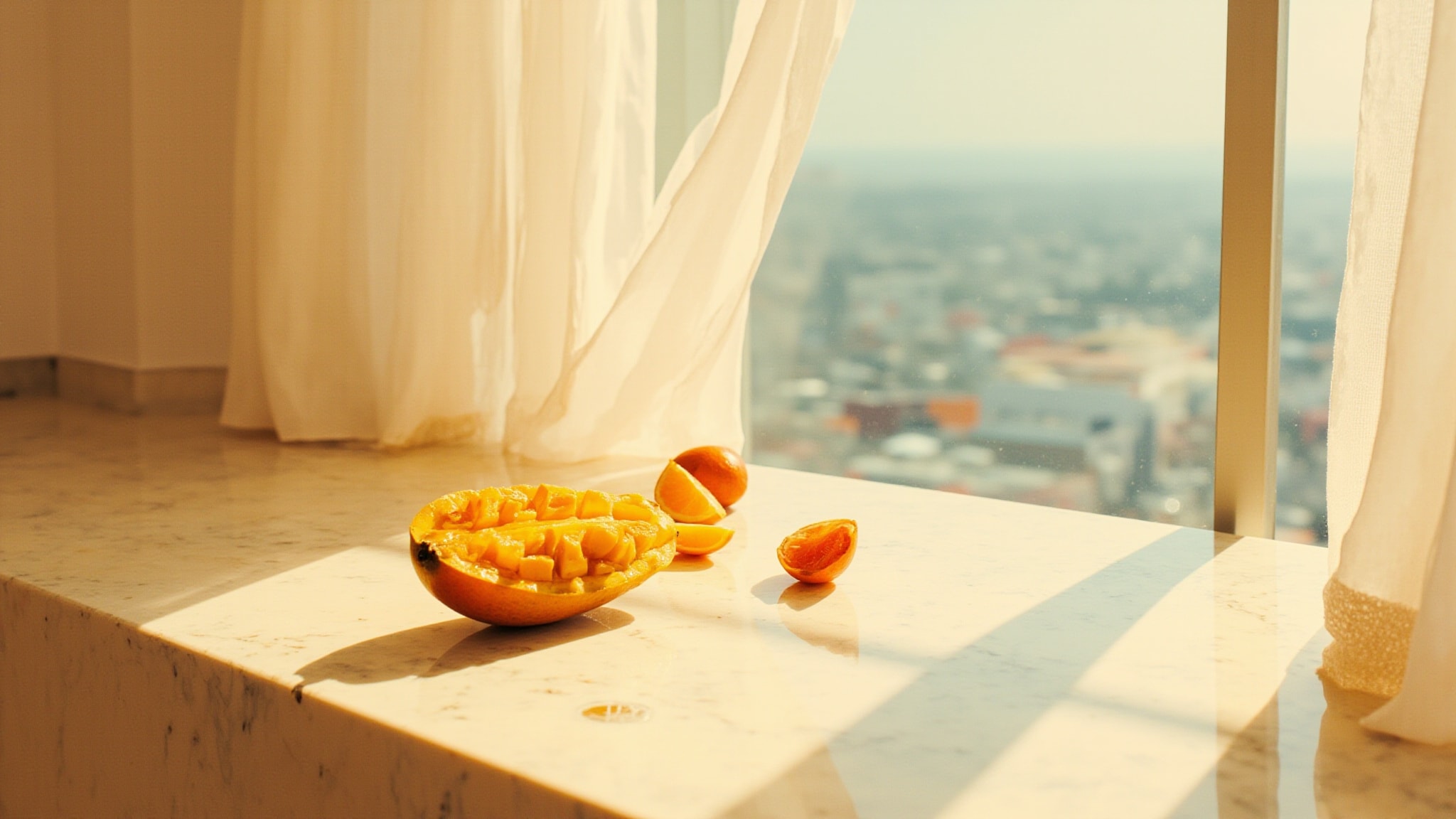
The opening of Paradise Passion is a fruit stand in full voice. Mango dominates, with papaya offering a greener edge beneath it, and mandarin giving the whole thing a sharp, juicy lift that almost fizzes. There is nothing subtle about the opening. It wants to be noticed, and it will be. The fruit begins to settle as the composition warms against the skin, and the iris arrives, and the fragrance changes character completely. The powder descends like a soft fog, transforming the bright, almost neon sweetness into something cooler and more contemplative. Heliotrope adds that almond, almost marzipan warmth, and the whole composition settles into a floral softness, the sweetness shifting from fruit to flower. This is the heart, and it gives the composition its most interesting stretch, the place where the two halves of the fragrance meet and negotiate.
Cultural impact
Paradise Passion sits in a category that doesn't get much critical love: the sweet, fruity, powdery floral designed for sheer pleasure rather than conceptual depth. And yet it persists in the memory of anyone who wore it through the mid-2000s. It is the scent of a specific kind of woman, someone who isn't trying to be edgy or intellectual, who wants to smell like a tropical afternoon and a soft exhale. The composition leans all the way into sweetness, and it asks nothing of the wearer except that they enjoy it. For some, that is reason enough.