The Story
Why it exists.
The beginning
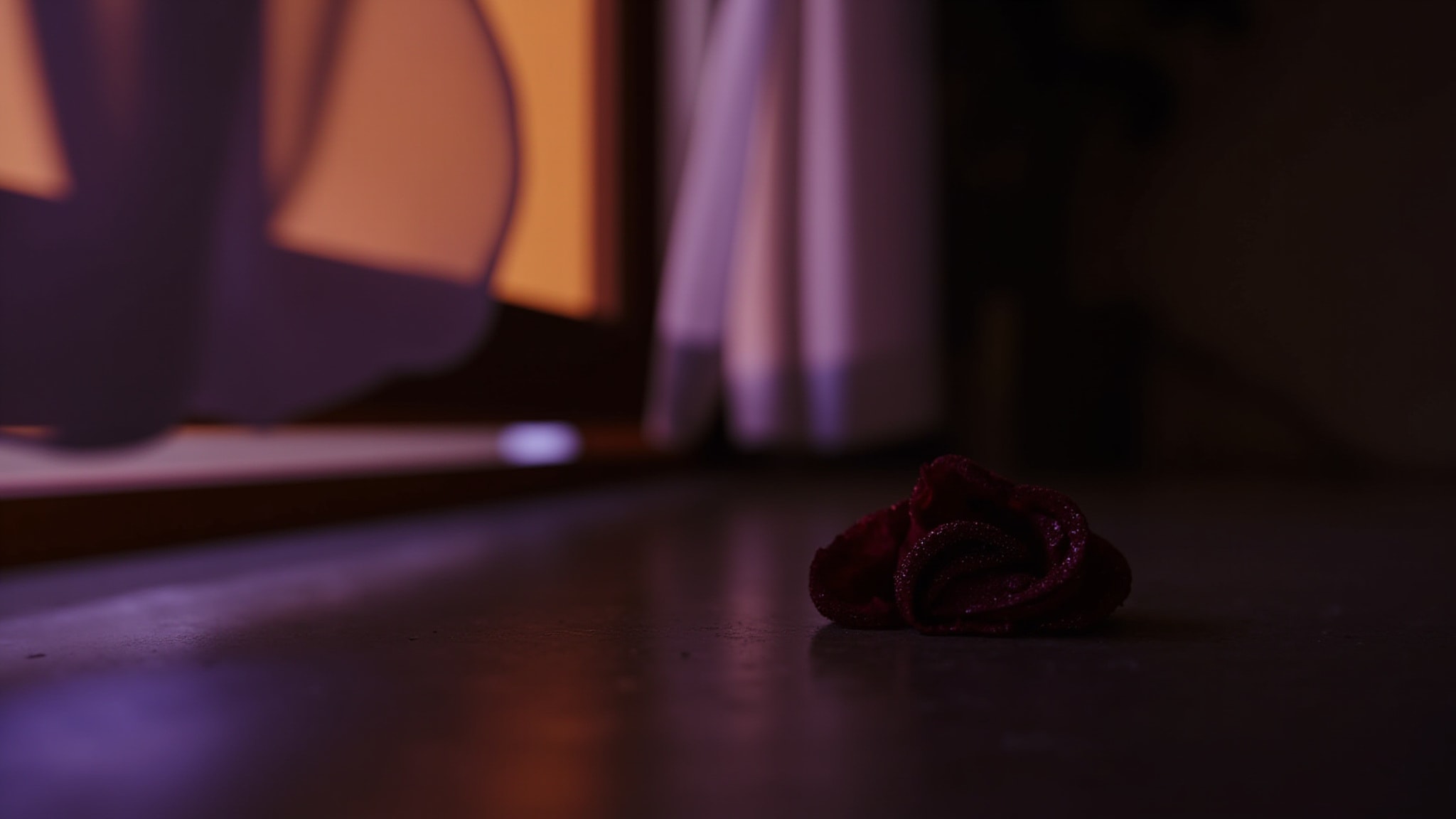
Nobara No Yume-Haru began with a Japanese image: the wild rose overlooked for more familiar blossoms, known as nobara when it grows untended. The name also draws on Kato Tokiko's song "Nobarano Yume," whose verses picture someone weeping alone in a shadowy forest, longing for warmth beneath a vast night sky. Nany London Parfums translated that melancholy into a fragrance for women and men, pairing rose with civet, oud and musk. The composition moves from a crisp fruit-and-citrus opening into rose, jasmine and lavender, then settles into a warm trail shaped by tonka bean, vanilla, sandalwood, amber and musk.
The composition works because its softness never settles into one dimension. Apple, pear and bergamot bring fruit and brightness into the opening, while the heart turns romantic and spiced through rose, jasmine, saffron and cinnamon. Oud and patchouli add depth without erasing the floral center. In the base, vanilla, tonka bean, amber and musk round the sharper materials into something warm and wearable, while tomato adds an unusual savory flicker beneath the sweetness.
The evolution
The opening begins with the curiosity of fruit and citrus: apple and pear keep the first impression crisp, while bergamot cuts through labdanum and vodka with a polished shine. That brightness soon gives way to rose, jasmine and lavender, but the heart is not a simple bouquet. Saffron and cinnamon bring a slow-burning spice, and oud and patchouli pull the flowers toward darker, more mineral woods. As the hours pass, tonka bean, vanilla, sandalwood and guaiac wood soften the composition into a warm, balsamic trail. Amber and musk linger close to the skin, joined by tomato's curious savory edge. Over time, the final impression becomes softer and warmer than the beginning, like finding the same woodland path under moonlight. The fruit notes lend brightness to the opening, while rose and jasmine give the middle its floral character.
Cultural impact
Nobara No Yume-Haru fits Nany London Parfums' cinematic, narrative-driven register through its Japanese literary and botanical references. The name joins the idea of an overlooked wild rose with the title of Kato Tokiko's song, giving the fragrance a melancholy frame that sits between poetic daydream and provocation. Its cultural interest comes from that storybook specificity, not from documented reception or industry influence.