The Story
Why it exists.
The beginning
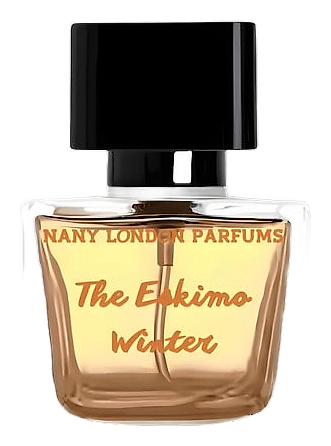
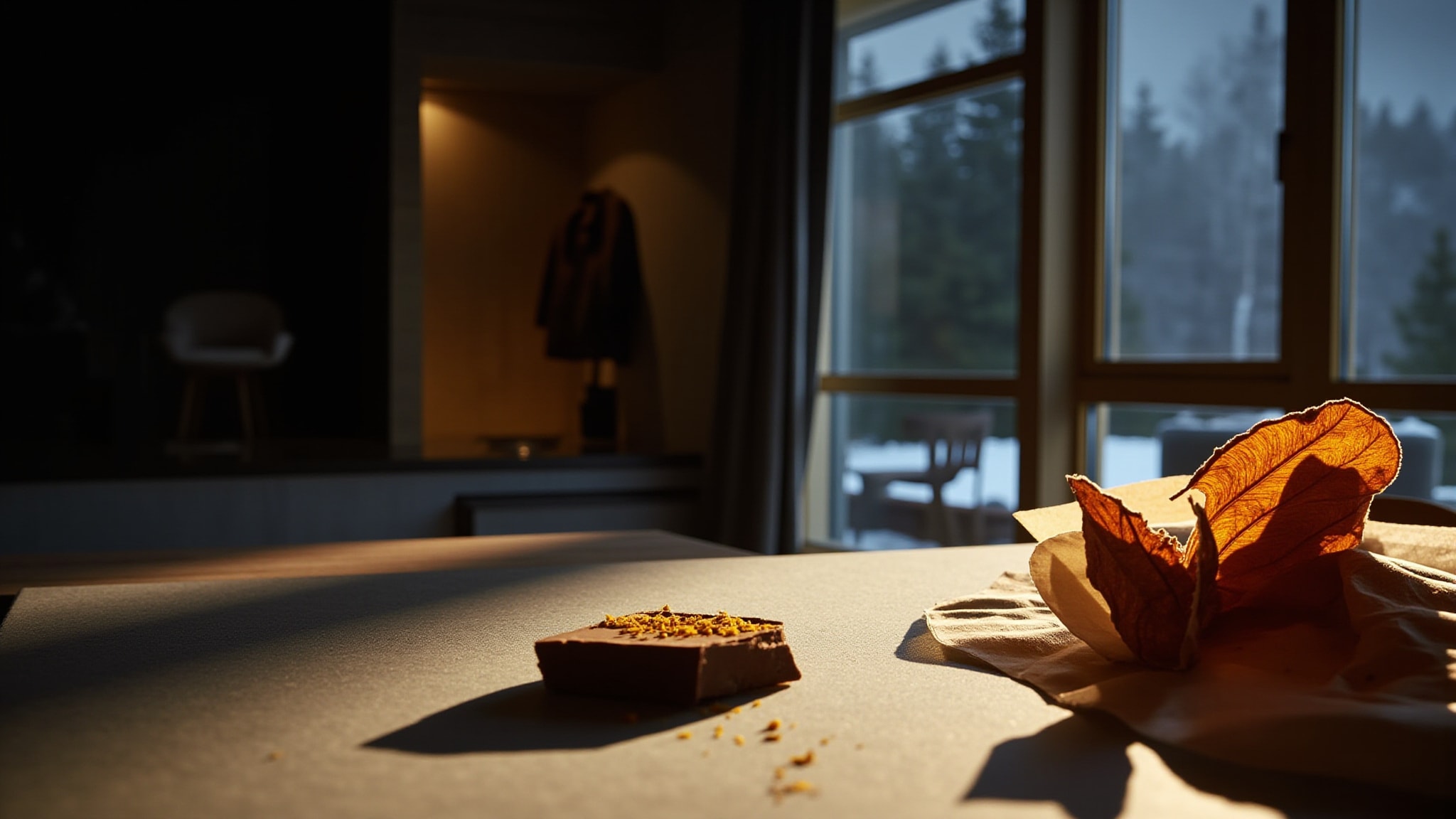
The Eskimo Winter arrives as a scene rather than a simple fragrance brief: an igloo home scented by liqueur, fur clothing, tobacco, cinnamon, honey, and the faint presence of frozen fish. Its name evokes extreme cold and northern settings, while the composition turns inward. The official description centers on civet, oud, tobacco, and honey, a striking frame for a unisex scent that moves from bright fruit and spice to something much darker. No perfumer is credited in the available record, so the clearest account begins with the notes and the atmosphere they were assembled to create. The listed notes suggest a layered progression, beginning with luminous fruit and aromatic spice before settling into smoke, warmth, woods, and a subtle animalic presence.
The unusual part is the collision. Raspberry, amaretto, and bergamot suggest brightness and sweetness, but they sit beside tobacco, oak, and spice rather than polishing them into something polite. Then honey meets civet, oud, patchouli, and dark chocolate, adding sweetness, depth, and a distinctly animal note. That friction gives The Eskimo Winter its shape: a polar image carried through scents associated with warmth, shelter, fire, and the body, not through literal snow or cold-air accords.
The evolution
The opening begins with a bright collision of raspberry, bergamot, amaretto, cardamom, coriander, saffron, and nutmeg. Fruit gives it immediate appeal, while citrus and spice keep the sweetness from becoming syrupy. As the heart arrives, Bulgarian rose, narcissus, lily, iris, and immortelle add a cool floral sheen. Cinnamon, honey, tobacco, tonka bean, and oak push the composition inward, trading alpine brightness for warmth, smoke, and spice. The drydown is the real move. Dark chocolate, oud, patchouli, civet, amber, sandalwood, cedar, vetiver, almond, vanilla, labdanum, musk, and ambergris settle into a dense, woody base. Civet gives it a feral edge, while chocolate and almond keep sweetness close to the skin. The listed progression moves from juicy fruit and sparkling citrus into fragrant spice, then through floral notes softened by honey, tobacco, and warm woods.
Cultural impact
The Eskimo Winter draws on an imagined northern setting through its name and its combination of tobacco, honey, liqueur warmth, fur associations, and an animalic edge. Those elements create a distinctive atmosphere, joining notes that might otherwise feel separate into one scene. Liqueur and honey introduce rich sweetness, tobacco adds smoke and dryness, and fur associations give the composition a cold, tactile character. Civet supplies a feral accent, while oud, patchouli, woods, and amber deepen the darker side of the scent.