
The Story
Why it exists.
The beginning
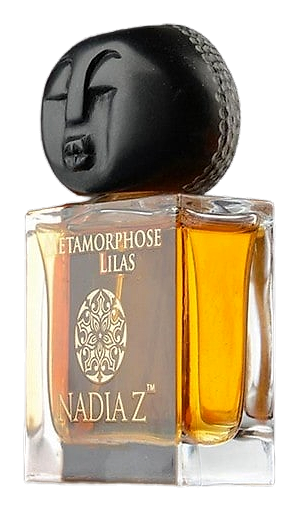
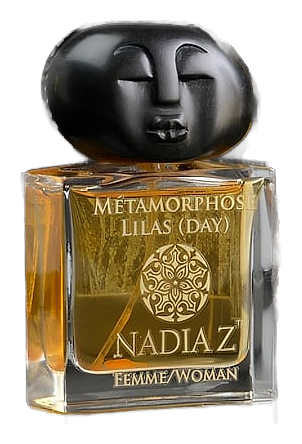
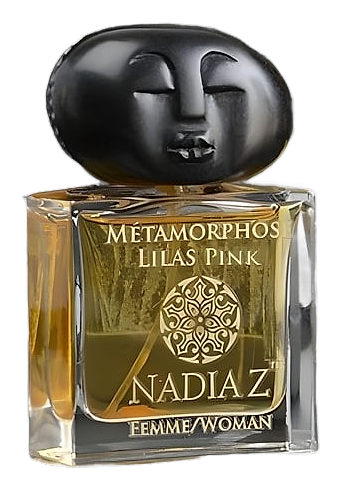
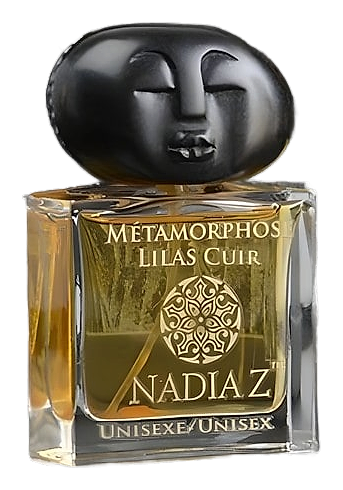
Nadia Z's Metamorphose Lilas collection places lilac in dialogue with oud, beeswax, hyraceum, and a palette of woods, resins, and animalic materials. Perfumer Nadia Zuodar composed it as a study in soft restraint meeting something raw. Lilac and tuberose establish a delicate floral opening, gradually giving way to warmer, leathery notes and the close, skin-like texture of beeswax. The flower opens the door, while the deeper materials shape what follows, bringing a composed tension between softness, sweetness, wood, and animal warmth.
The unusual player here is hyraceum, an animalic material derived from rock hyrax. It lends the composition a leathery, almost barnyard warmth, giving the lilac a darker and more tactile character. Buchu contributes a botanical presence, while the resin listed as Namibian precious omumgorwa brings depth to the composition. Together with oud, beeswax, patchouli, tonka, and the floral notes, these materials create a layered floral-leather structure. Lilac remains recognizable, but it is surrounded by woods, resins, sweetness, and animalic warmth rather than left as a simple floral gesture.
The evolution
The opening can be misleading. Lilac and tuberose arrive with a clean, candied impression, laying down a polished floral surface. Then oud and hyraceum begin to show, moving the composition toward warmer, more animal territory. Beeswax gives the notes a waxy, golden, skin-like texture, while patchouli adds earthy weight. Strawberry appears within the floral opening, adding a small point of fruitiness before the deeper materials become more prominent. By the second hour, the floral character has receded and the composition settles into a close-sitting leather-animal accord, warm and slightly sweet from tonka, with hyraceum remaining underneath. The scent stays intimate through hour six. On fabric the next morning, beeswax and oud linger as a faint ambered shadow, a quiet trace of the richer drydown.
Cultural impact
Lilas Cuir occupies a distinctive place within the floral category, combining lilac and tuberose with leather-like woods, resins, wax, and animalic materials. Hyraceum gives the composition its darker register, while beeswax, tonka, and patchouli make the drydown feel rounded, warm, and close to skin. The result is neither a simple lilac presentation nor a purely animalic scent. Lilac remains the point of entry, but it becomes part of a broader conversation between floral softness, woody texture, sweetness, and warmth.
The House
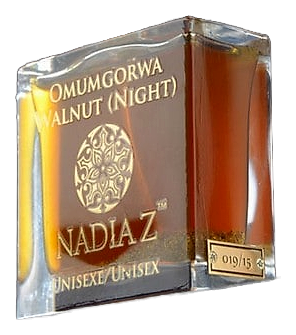
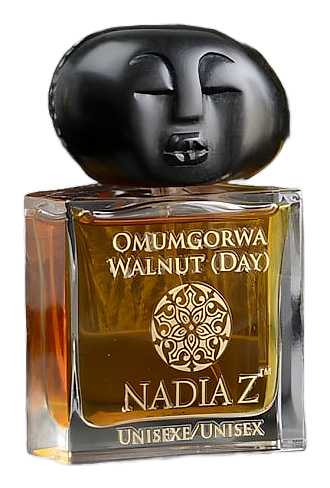
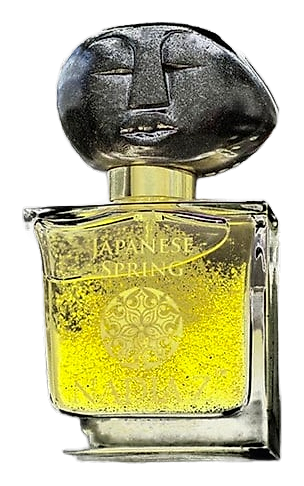
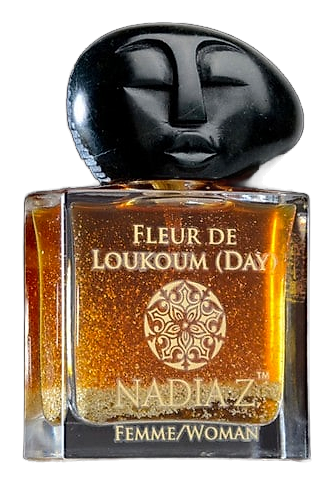
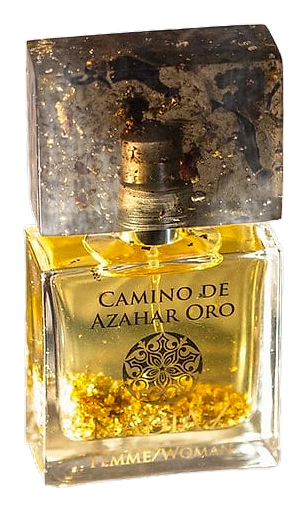
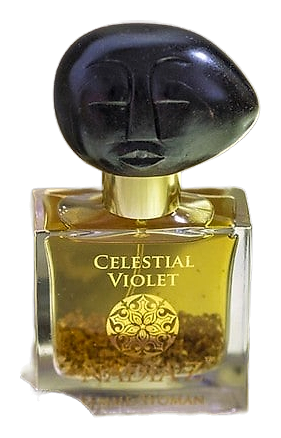
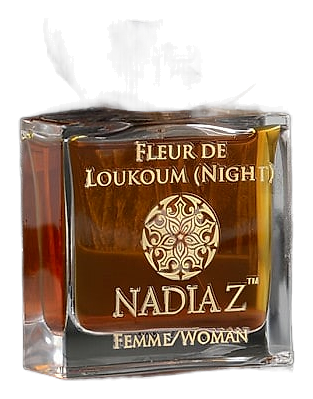
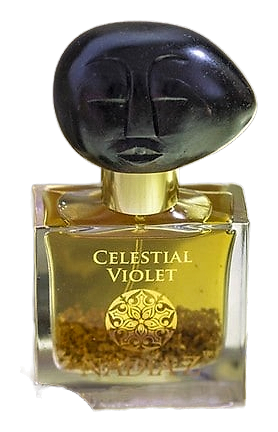
Nadia ZNadia Z is a niche fragrance house built around a conviction that scent should coexist with conscience. The brand positions itself as an ethical and social enterprise, prioritizing the protection of biodiversity over conventional growth models. Its catalog spans multiple fragrance families, from the delicate floral references in the Metamorphose Lilas series to the warm gourmand territory of the Fleur de Loukoum and Omumgorwa Walnut lines. The house also ventures into aromatic and green territories with releases like Anji Bamboo Mist and Japanese Spring, suggesting an interest in olfactory landscapes drawn from specific geographies and memories. The house maintains a production scale described as opposed to mass production, allowing for what appears to be careful, deliberate curation over breadth. Fragrance names frequently reference time of day, ingredients, or evocative scenes rather than celebrity or trend-driven marketing. This approach places Nadia Z within a growing contingent of perfumers who treat scent as an artistic practice with ethical dimensions.
The Creator
Nadia ZuodarHer style is rooted in botanical authenticity and Swiss precision. Nadia works with natural materials she can source directly, prioritizing ingredients with clear geographic and cultural origins.