The Story
Why it exists.
The beginning
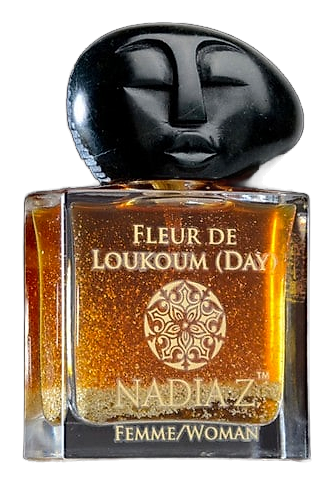
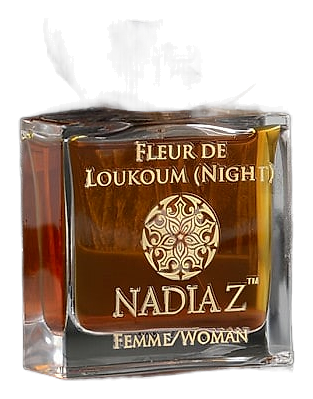
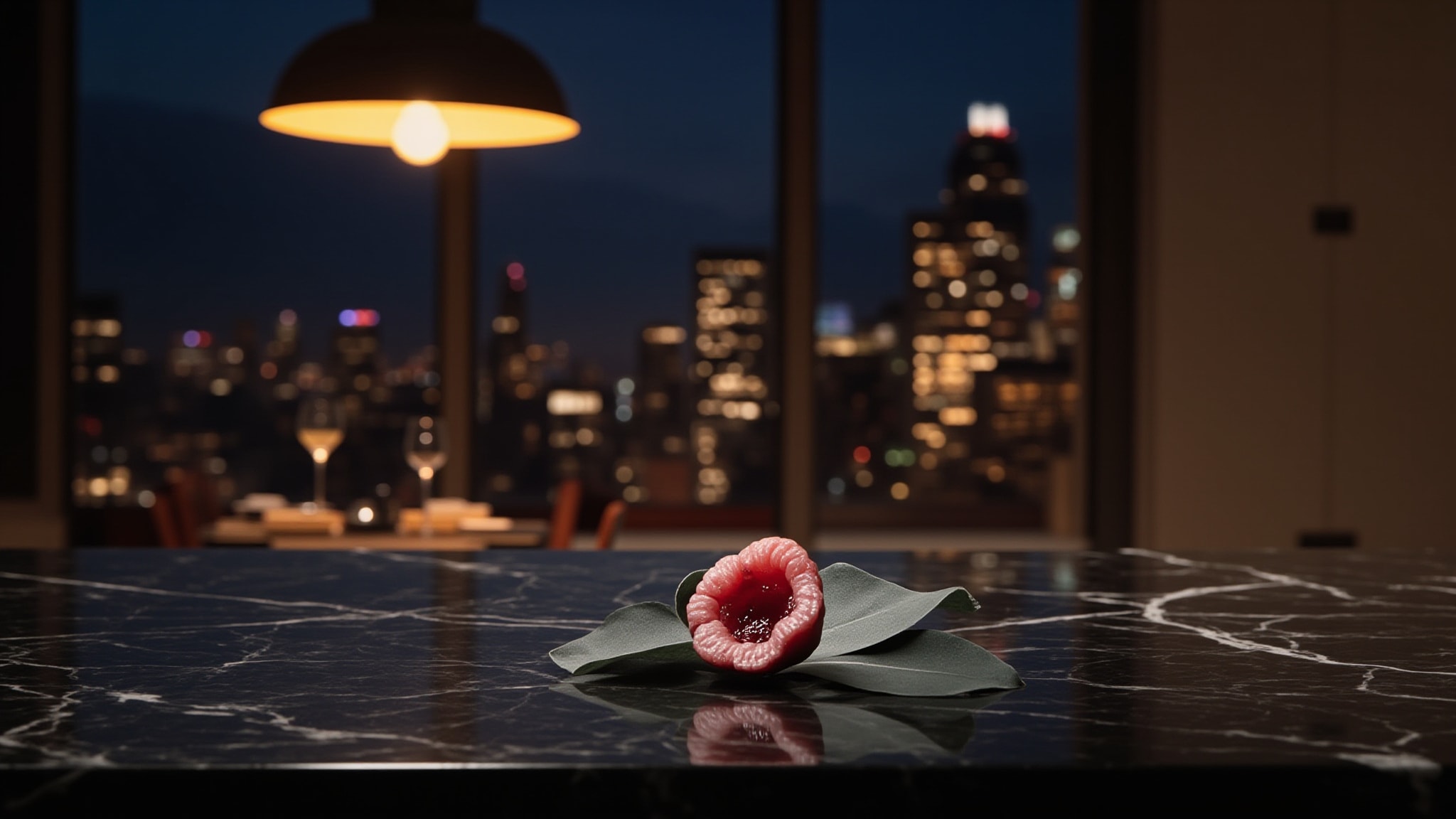
Fleur de Loukoum Night centers on raspberry, strawberry, and buchu, bringing together fruit and a green, aromatic quality. The berries supply a vivid sweetness, while buchu introduces a minty herbal lift that keeps the composition from becoming purely sugary. Jasmine adds a polished floral flash, brightening the fruit without making it feel simple or conventionally pretty. Beneath that brightness, hyraceum contributes an animalic warmth and resins add balsamic depth. Together, the notes create a gourmand with a distinct tension: the pleasure of sweet fruit remains, but green herbs, skin-like warmth, and resinous shadows give it a more complicated character.
The unusual part of the composition is the collision of candy-like fruit with materials that bring heat, resin, and a faintly wild animalic character. Buchu gives the fruit a minty, herbal lift, so the berries never feel completely sugary. Hyraceum adds a mineral, skin-like dimension, while resins bring darker balsamic warmth underneath. Jasmine introduces brightness without making the fruit feel harmless or overly decorative. As the scent develops, the opening fruit softens and the green, resinous facets become more present.
The evolution
The scent begins with a vivid collision of red berries, strawberry, and buchu. That first impression is juicy and zesty, while the green herbal quality keeps it from becoming simple sweetness. As jasmine enters, the composition gains a polished floral pulse. Hyraceum introduces a tactile, animalic warmth beneath the fruit, and resins deepen the trail with darker balsamic facets. The later stages are where the fragrance finds its character: the berries soften, the resin feels more present, and hyraceum leaves an earthy, musky trace. On skin, community ratings point to moderate longevity and sillage, while the close, animalic-fruity impression remains more important than a loud sweet cloud.
Cultural impact
Fleur de Loukoum Night offers a distinctive take on gourmand fragrance through its combination of raspberry, strawberry, jasmine, buchu, hyraceum, and resins. The profile moves between vivid fruit, green herbal notes, floral brightness, animalic warmth, and balsamic depth. Rather than relying on sweetness alone, it invites exploration of how familiar gourmand elements can interact with sharper and more atmospheric materials, creating a composition that rewards attention to texture, contrast, and evolution on skin.
The House
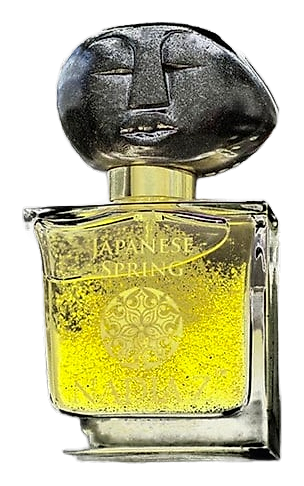
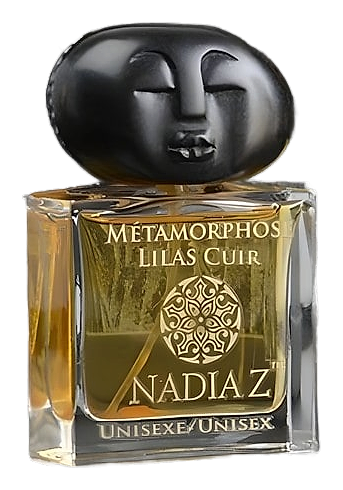
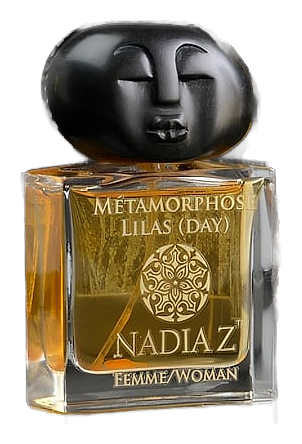
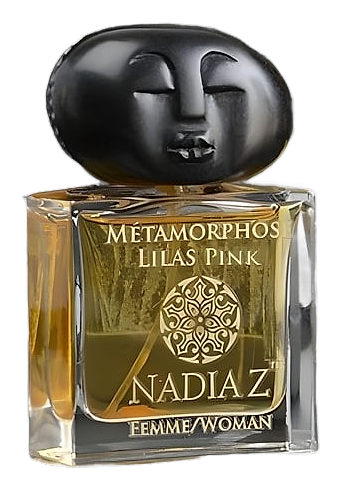
Nadia ZNadia Z is a niche fragrance house built around a conviction that scent should coexist with conscience. The brand positions itself as an ethical and social enterprise, prioritizing the protection of biodiversity over conventional growth models. Its catalog spans multiple fragrance families, from the delicate floral references in the Metamorphose Lilas series to the warm gourmand territory of the Fleur de Loukoum and Omumgorwa Walnut lines. The house also ventures into aromatic and green territories with releases like Anji Bamboo Mist and Japanese Spring, suggesting an interest in olfactory landscapes drawn from specific geographies and memories. The house maintains a production scale described as opposed to mass production, allowing for what appears to be careful, deliberate curation over breadth. Fragrance names frequently reference time of day, ingredients, or evocative scenes rather than celebrity or trend-driven marketing. This approach places Nadia Z within a growing contingent of perfumers who treat scent as an artistic practice with ethical dimensions.
The Creator
Nadia ZuodarHer style is rooted in botanical authenticity and Swiss precision. Nadia works with natural materials she can source directly, prioritizing ingredients with clear geographic and cultural origins.