The Story
Why it exists.
The beginning
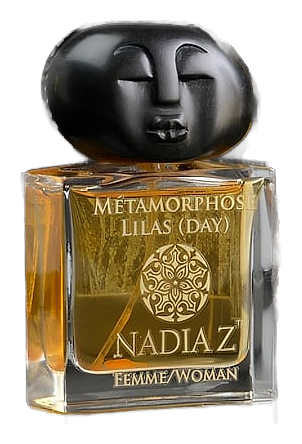
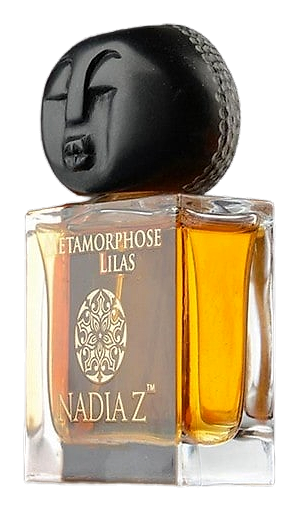
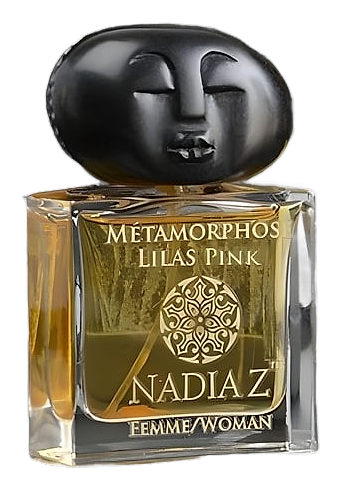
Metamorphose Lilas Pink arrived in 2015, composed by Nadia Zuodar for Nadia Z. Its floral idea is clear from the first breath, with lilac and tuberose placed against strawberry, buchu, and a notably rich material palette of patchouli, beeswax, tonka bean, sandalwood, oud, and resin. Tonka bean, sandalwood, and the listed base materials create a creamy, balsamic foundation, giving the pink floral center more gravity than its name initially suggests. The result balances a soft floral impression with darker woody, resinous, and lightly sweet notes, making the composition worth exploring for the way its materials interact.
The composition is interesting because its floral materials never remain decoration. Lilac and tuberose bring softness and air, while buchu and strawberry introduce a restrained fruitiness. Patchouli makes the heart darker and earthier. Beeswax, tonka bean, sandalwood, and resin then build a creamy, balsamic structure underneath, while oud and hyraxum lend deeper warmth. It is a polished contrast of delicacy and density, but the balance keeps the floral idea in charge.
The evolution
The listed materials present the pink side first through lilac, tuberose, strawberry, and buchu. Together, they create an airy and gently floral impression, with fruit adding brightness rather than a syrupy sweetness. Patchouli adds an earthy quality to the heart, while beeswax, tonka bean, and resin connect the floral notes with a warmer base. Sandalwood contributes smooth, creamy depth, and oud and hyraxum add deeper warmth and a soft animalic and balsamic character. The composition ends with a layered floral, woody, sweet-toned, and resinous profile. Its materials remain distinctive in retrospect, revealing how a pink floral idea can be paired with darker notes without losing its central floral character.
Cultural impact
Metamorphose Lilas Pink combines a pink floral profile with materials such as beeswax, myrrh, oud, patchouli, sandalwood, tonka bean, and resin. The result places lilac and tuberose within a more complex composition, where floral softness meets fruit, earth, wood, sweetness, and resinous depth. Its contemporary character comes from this juxtaposition: the fragrance begins with the visual suggestion of pink flowers while revealing a substantially richer material palette as the composition unfolds.
The House
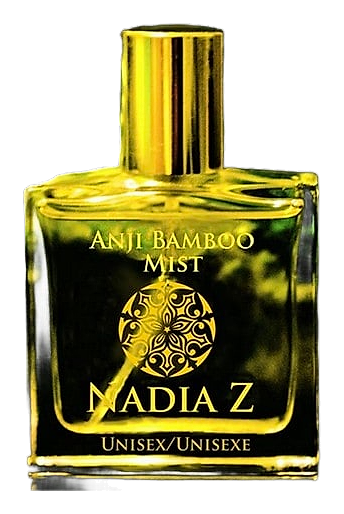
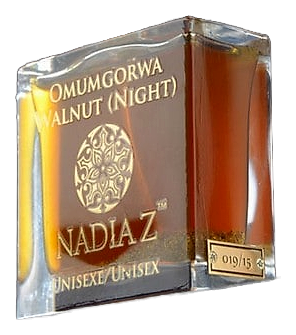
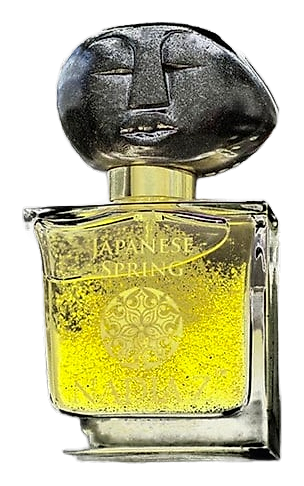
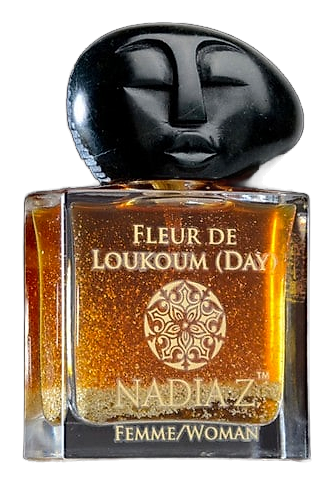
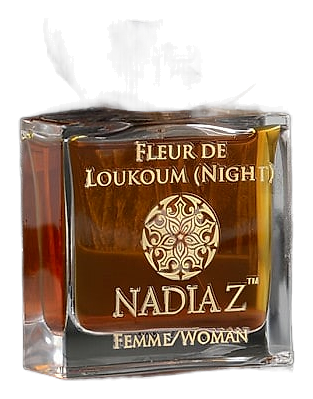
Nadia ZNadia Z is a niche fragrance house built around a conviction that scent should coexist with conscience. The brand positions itself as an ethical and social enterprise, prioritizing the protection of biodiversity over conventional growth models. Its catalog spans multiple fragrance families, from the delicate floral references in the Metamorphose Lilas series to the warm gourmand territory of the Fleur de Loukoum and Omumgorwa Walnut lines. The house also ventures into aromatic and green territories with releases like Anji Bamboo Mist and Japanese Spring, suggesting an interest in olfactory landscapes drawn from specific geographies and memories. The house maintains a production scale described as opposed to mass production, allowing for what appears to be careful, deliberate curation over breadth. Fragrance names frequently reference time of day, ingredients, or evocative scenes rather than celebrity or trend-driven marketing. This approach places Nadia Z within a growing contingent of perfumers who treat scent as an artistic practice with ethical dimensions.
The Creator
Nadia ZuodarHer style is rooted in botanical authenticity and Swiss precision. Nadia works with natural materials she can source directly, prioritizing ingredients with clear geographic and cultural origins.