







Heritage
A house, in its own words
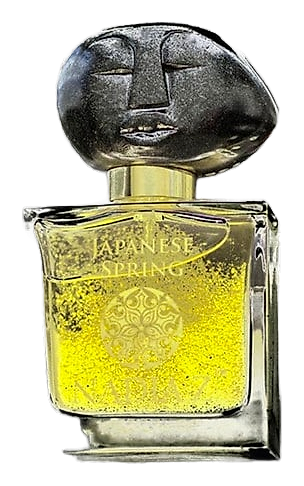
Nadia Z emerged as a distinct voice in the niche fragrance landscape, operating as a self-described ethical and social company. The house does not appear in widely documented fragrance histories or industry databases, which limits verifiable detail about its founding circumstances. What independent sources confirm is the brand's stated commitment to biodiversity protection as a core operating principle. The fragrance names suggest a founder or creative director with a poetic sensibility and an interest in specific ingredients and sensory moments. References to places like Anji (a region in China known for bamboo) and Camino de Azahar (suggesting a path toward bitter orange) indicate either personal travel experience or deep research into ingredient origins. The house operates outside traditional fragrance industry channels in several respects. It does not appear to have won widely documented industry awards or achieved the mainstream visibility that might generate extensive third-party coverage. Instead, its presence exists primarily through niche fragrance communities and select retailers who share its ethos. The lack of a documented founding year in available sources means this remains a brand whose story is still being written into the fragrance record. The philosophy at Nadia Z centers on restraint and responsibility as creative virtues. The house explicitly frames itself against what it describes as overexploitation, mass production, and unlimited growth, positioning these as antithetical to both quality perfumery and environmental stewardship. This stance places Nadia Z within a specific niche philosophy that treats ethical production not as a marketing layer but as inseparable from the creative act itself. The fragrance names reinforce this philosophy by drawing attention to ingredients and experiences rather than personalities or status signals. Fleur de Loukoum references the Turkish delight long associated with hospitality and generosity. Anji Bamboo Mist evokes a specific landscape and the sensory experience of being within it. The Lilas Night and Lilas Cuir pairings suggest exploration of a single ingredient across different expressions, a method that honors depth over breadth. This approach treats perfumery as a practice of attention and respect: for ingredients, for the environments that produce them, and for the wearers who seek scent as an expression of identity rather than conformity.