
The Story
Why it exists.
The beginning
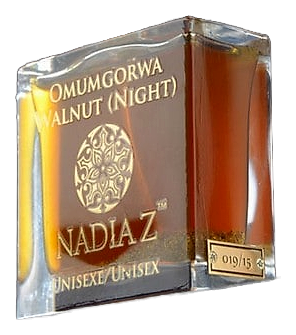
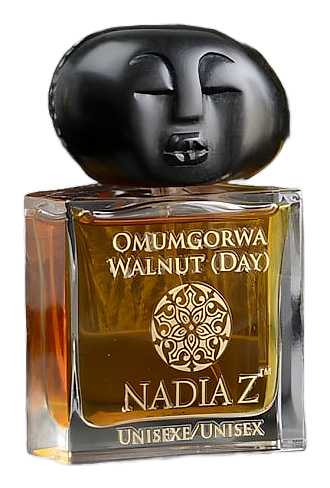
Omumgorwa Walnut Day centers on a distinctive aromatic material, building the composition around its resinous character rather than treating it as a supporting element. The walnut reference in the name functions as an impression rather than a literal ingredient, evoked through the moka-like warmth of Sapote and Coffee that create something nutty, dark, and undeniably walnut-adjacent. Dates and persimmon layer sweetness over a resinous foundation, maintaining depth without tipping into syrupy territory. The overall effect draws warmth from uncommon materials, offering a different kind of indulgence that feels both grounded and unexpected.
What makes Omumgorwa Walnut Day unusual is the way it uses sweetness as a vehicle for earthiness, not the other way around. Most gourmand fragrances use foody notes as a lure and wood or resin as a base. Here, the aromatic materials interact in unexpected ways, and the fruit, spice, and coffee all play important roles. The result is a fragrance that feels distinctive without relying on expected luxury markers, no oud, no saffron, no iris. Just myrrh and time and something warm.
The evolution
The opening minutes belong to the fruit. Dates, persimmon, a caramelized sweetness that doesn't quite prepare you for what follows. The myrrh enters within minutes, bringing resin and a faint camphor lift that reads almost herbal. It cuts the sweetness before it can become cloying. Within the hour, the heart settles: lily and ambrette give it a powdery softness that lifts the resinous base without diluting it. The coffee and sapote arrive quietly, bringing moka warmth without the cream. The drydown settles into a close, meditative space where resin and skin feel intertwined.
Cultural impact
Omumgorwa Walnut Day brings myrrh to the center of its composition, a material with a long history in perfumery. The focus on this ingredient places African botanicals in the spotlight as premium perfumery materials. The 2015 launch arrived as part of a broader movement in niche fragrance that celebrated regional ingredients and unusual material combinations. Nadia Z built its catalog around uncommon botanicals, offering fragrances that emphasize sensory depth over familiar compositions.
The House
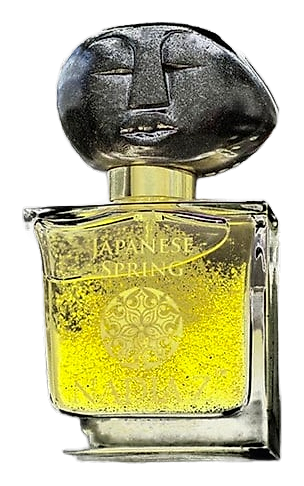
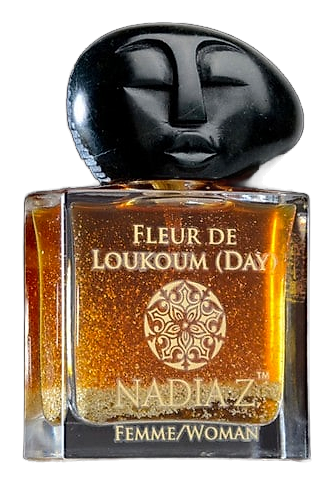
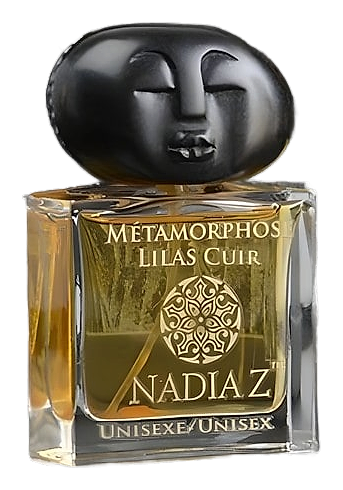
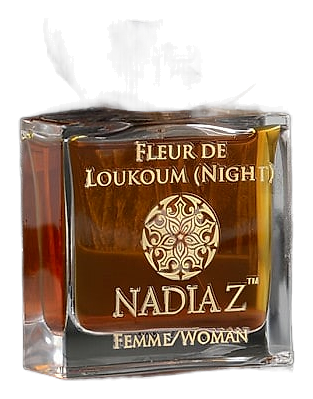
Nadia ZNadia Z is a niche fragrance house built around a conviction that scent should coexist with conscience. The brand positions itself as an ethical and social enterprise, prioritizing the protection of biodiversity over conventional growth models. Its catalog spans multiple fragrance families, from the delicate floral references in the Metamorphose Lilas series to the warm gourmand territory of the Fleur de Loukoum and Omumgorwa Walnut lines. The house also ventures into aromatic and green territories with releases like Anji Bamboo Mist and Japanese Spring, suggesting an interest in olfactory landscapes drawn from specific geographies and memories. The house maintains a production scale described as opposed to mass production, allowing for what appears to be careful, deliberate curation over breadth. Fragrance names frequently reference time of day, ingredients, or evocative scenes rather than celebrity or trend-driven marketing. This approach places Nadia Z within a growing contingent of perfumers who treat scent as an artistic practice with ethical dimensions.
The Creator
Nadia ZuodarHer style is rooted in botanical authenticity and Swiss precision. Nadia works with natural materials she can source directly, prioritizing ingredients with clear geographic and cultural origins.