
The Story
Why it exists.
The beginning
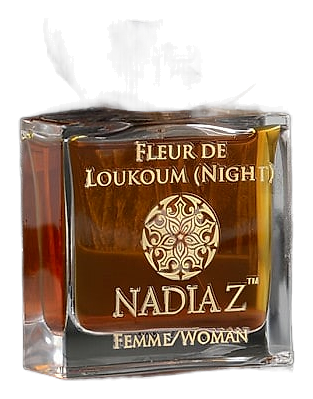
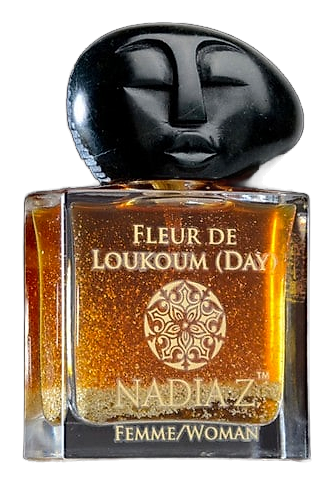
Fleur de Loukoum Day arrived in 2015 from the house of Nadia Z, composed by perfumer Nadia Zuodar herself. The name points straight at the concept: loukoum is Turkish delight, that sticky cube of sweetness beloved across the Mediterranean and beyond. The Day variant takes that confectionery idea and stretches it into something harder to categorize, a candy shell that asks to be read on its own terms. Zuodar built the composition around a tension most gourmands avoid. Sweet red fruit sits on top. A soft, almost dirty musk sits underneath. The two were never supposed to share a bottle. Putting them together was the gamble, and it's what makes the opening read sharp rather than syrupy.
What's genuinely unusual here is the pairing of buchu, a South African herbal leaf used historically in traditional medicine, with hyraceum, a fossilized animal excretion used in perfumery for centuries to add what the industry politely calls animalic depth. This one drags the bright fruit through a much older, murkier tradition, and the buchu gives the opening a green, almost bitter quality that keeps the sweetness from going flat. The hyraceum waits underneath, unhurried, surfacing eventually as the louder voice in the composition.
The evolution
The opening is loud and almost aggressive. Raspberry and strawberry read as a single neon-pink blast, sugar-sharp, the kind of announcement that registers from arm's length. Buchu cuts in underneath with a green, herbal note that keeps the sweetness from turning sticky, almost like biting into a fruit that's still slightly underripe. The Damask rose enters early, sitting between the fruit and what hasn't yet revealed itself. Not a powdery, lipstick rose, but a wet, just-picked one, slightly fermented. This is where the perfume stops being candy and starts being something else. As the composition settles, hyraceum surfaces fully. The sweetness doesn't vanish, it gets colonized. There's a warmth now that's closer to skin than to sugar, a musk with mineral depth, slightly feral. The resins underneath add a faint, almost balsamic hum.
Cultural impact
This sits in a corner of niche perfumery where confectionery notes get dragged through older, less polite traditions. Wearers tend to respond to the berry-and-hyraceum contrast in polarized ways, and the reviews reflect both the enthusiasm and the confusion. Some describe the combination as revelatory, others as a muddled mess. That split is genuinely interesting because it tells you the composition is doing something unusual rather than settling into a safe middle ground. Among the reviews worth noting, the negative reactions tend to focus on the unwearable warmth of the animalic base, calling it fecal, barnyard, or simply too aggressive.
The House
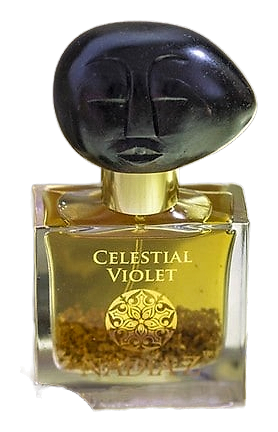
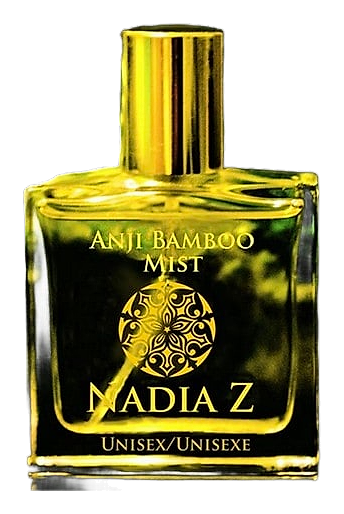
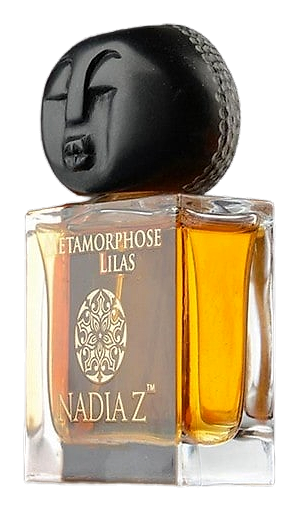
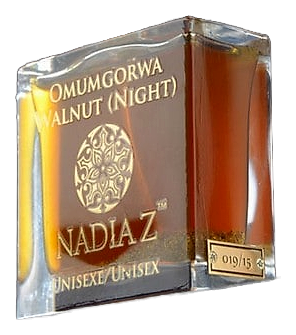
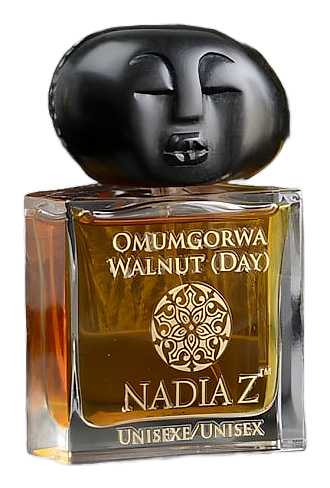
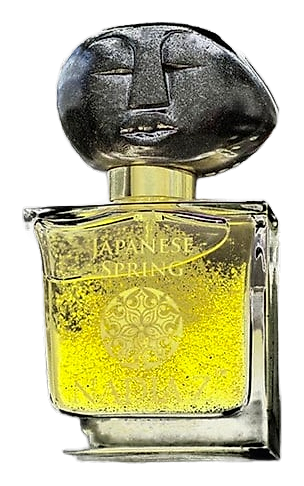
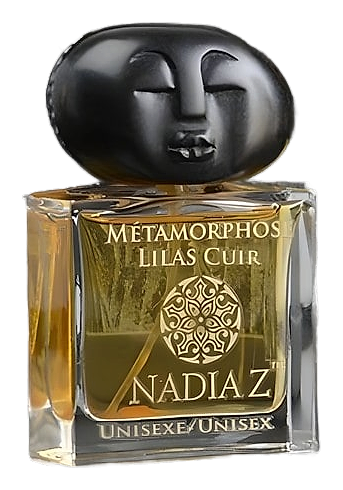
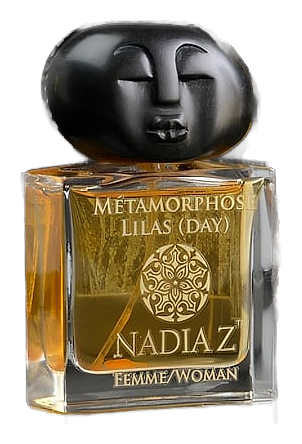
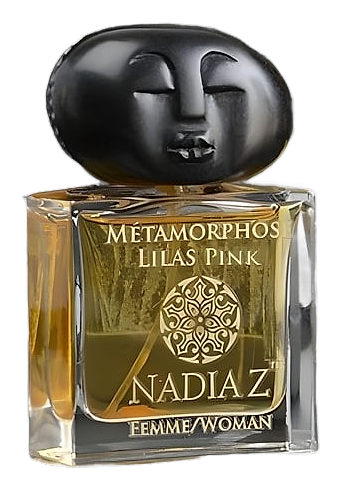
Nadia ZNadia Z is a niche fragrance house built around a conviction that scent should coexist with conscience. The brand positions itself as an ethical and social enterprise, prioritizing the protection of biodiversity over conventional growth models. Its catalog spans multiple fragrance families, from the delicate floral references in the Metamorphose Lilas series to the warm gourmand territory of the Fleur de Loukoum and Omumgorwa Walnut lines. The house also ventures into aromatic and green territories with releases like Anji Bamboo Mist and Japanese Spring, suggesting an interest in olfactory landscapes drawn from specific geographies and memories. The house maintains a production scale described as opposed to mass production, allowing for what appears to be careful, deliberate curation over breadth. Fragrance names frequently reference time of day, ingredients, or evocative scenes rather than celebrity or trend-driven marketing. This approach places Nadia Z within a growing contingent of perfumers who treat scent as an artistic practice with ethical dimensions.
The Creator
Nadia ZuodarHer style is rooted in botanical authenticity and Swiss precision. Nadia works with natural materials she can source directly, prioritizing ingredients with clear geographic and cultural origins.