
The Story
Why it exists.
The beginning
Anji Bamboo Mist was released in 2016 by perfumer Nadia Zuodar. Its name points to Anji, a region in China known for bamboo, but the composition reaches beyond a simple image of leafy greenery. Floral notes, fruity notes, and green notes establish the atmosphere, while Aglaia, Boronia, and Tuberose give it an unusual floral register. Coffee Blossom, Mushrooms, Palo Santo, and Precious Woods add darker, earthier layers. The result feels less like a neat bamboo grove and more like entering a damp forest where flowers, soil, smoke, and fungi share the air.
The striking part is the contrast between delicate flowers and materials usually associated with the forest floor. Aglaia brings a green floral lift, Boronia adds a bright floral-fruity edge, and Tuberose brings creamy white depth. Coffee Blossom introduces a roasted, aromatic counterpoint. Mushrooms and Palo Santo pull the composition downward into soil, smoke, and quiet woods, so the scent develops with a strange, elegant tension rather than staying simply fresh.
The evolution
The opening feels sharp, sour, and almost saline, with a green floral lift that recalls wet grass and mist. As it settles, that brightness gives way to a more mineral heart: mushrooms, coffee blossom, and Palo Santo create the impression of shaded earth, faint smoke, and vegetation after rain. The woody materials keep the composition grounded as the earlier floral notes soften. Over time, the fragrance becomes less like a single plant and more like a clear, living forest floor, with its green and woody character continuing to shape the wear. The transitions are gradual rather than abrupt: the saline opening loses some of its edge, the floral notes recede, and the mineral, earthy facets become more present. Its performance may be limited, so the scent is best experienced in close, intimate surroundings where its subtle greenness and textured woody finish can be noticed.
Cultural impact
Anji Bamboo Mist offers an aromatic green composition inspired by bamboo culture and natural surroundings. Its opening combines sharp, sour, and saline qualities with a floral lift, creating a fresh impression that recalls wet grass and mist. As the fragrance develops, mushroom, coffee blossom, Palo Santo, and woody materials add mineral, earthy, faintly smoky, and rain-washed dimensions. The result is atmospheric and textured, moving beyond a simple floral reading toward a more complete sensory portrait of vegetation and damp ground. The composition invites close attention as its layers soften and change over the wear.
The House
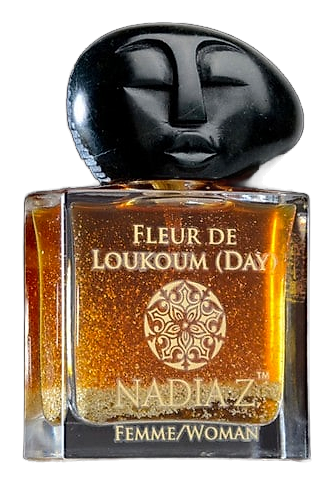
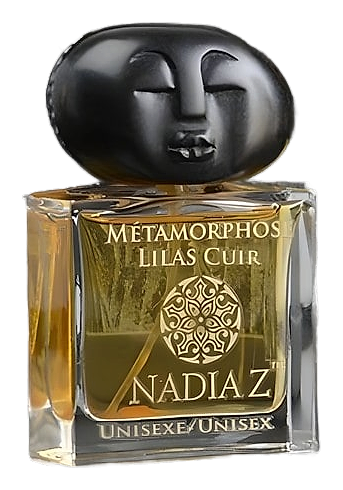
Nadia ZNadia Z is a niche fragrance house built around a conviction that scent should coexist with conscience. The brand positions itself as an ethical and social enterprise, prioritizing the protection of biodiversity over conventional growth models. Its catalog spans multiple fragrance families, from the delicate floral references in the Metamorphose Lilas series to the warm gourmand territory of the Fleur de Loukoum and Omumgorwa Walnut lines. The house also ventures into aromatic and green territories with releases like Anji Bamboo Mist and Japanese Spring, suggesting an interest in olfactory landscapes drawn from specific geographies and memories. The house maintains a production scale described as opposed to mass production, allowing for what appears to be careful, deliberate curation over breadth. Fragrance names frequently reference time of day, ingredients, or evocative scenes rather than celebrity or trend-driven marketing. This approach places Nadia Z within a growing contingent of perfumers who treat scent as an artistic practice with ethical dimensions.
The Creator
Nadia ZuodarHer style is rooted in botanical authenticity and Swiss precision. Nadia works with natural materials she can source directly, prioritizing ingredients with clear geographic and cultural origins.