
The Story
Why it exists.
The beginning
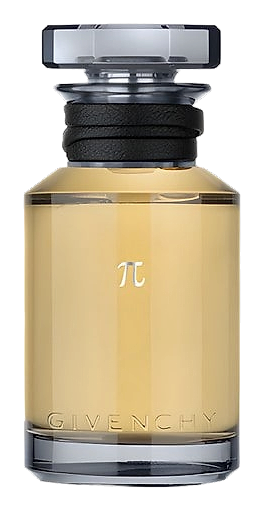
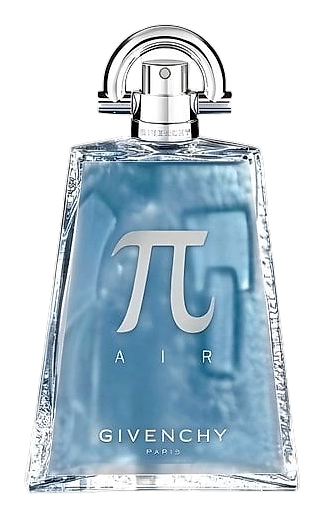
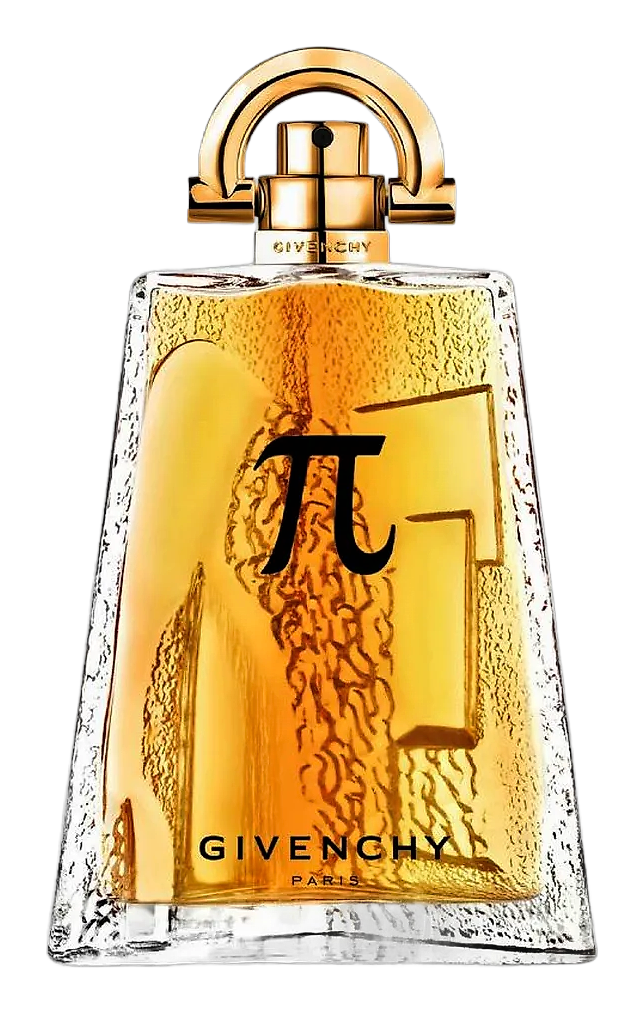
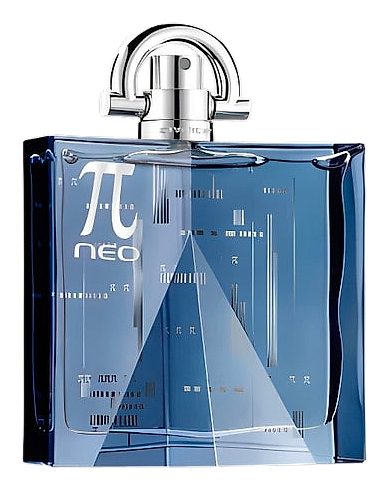
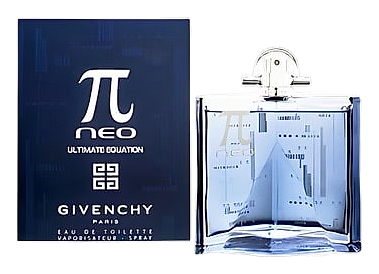
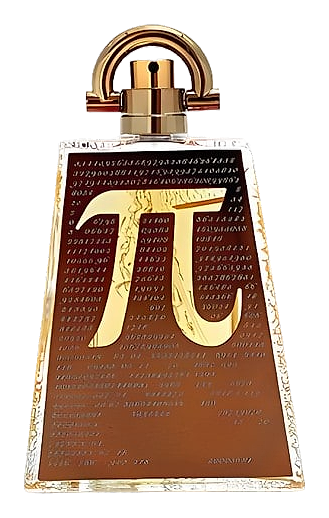
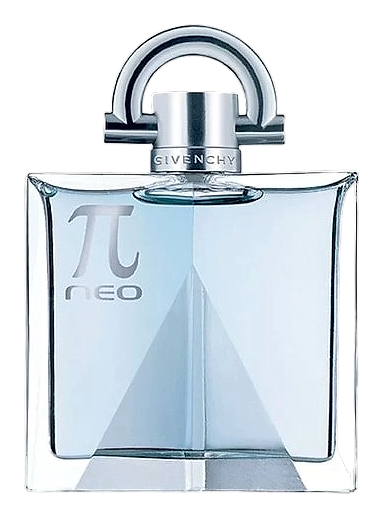
In 2008, Givenchy sent Pi Neo into the world carrying the weight of π on its bottle and a Matrix reference in its name. The original Pi, launched in 1998, had established Givenchy as a house willing to name a fragrance after a mathematical constant, an intellectual flex wrapped in oriental warmth. Pi Neo was different. The Neo arrived from a different direction entirely: not mathematics now, but the digital redefinition of reality. Perfumer Francoise Donche, working with Antoine Lie at Givaudan, wasn't building a flanker. The brief was a clean break, a fragrance about revision, about rewriting the rules of what masculine scent could be. The name itself was the concept: Givenchy's constant, redefined.
The note structure tells you everything about the intent. Mandarin and bergamot are familiar masculine territory, bright, citrusy, safe. Then anise arrives. It's not common in men's fragrance, especially at the top, and it doesn't behave like citrus at all. It's bitter-sweet, slightly medicinal, with a licorice edge that could read as either sophisticated or unsettling depending on your relationship with the note. The Toscanol adds a cool, aromatic character that amplifies the effect. This isn't an accident, it's a controlled disruption of expectations. The heart is where the cedar takes command, dry and structured, with myrtle adding an aromatic green quality that keeps the wood from becoming heavy.
The evolution
The opening is immediate: mandarin and bergamot arrive clean and bright, but the anise surfaces within seconds, that Matrix glitch. It's aromatic, slightly medicinal, and it announces that this isn't playing by standard masculine rules. The citrus doesn't disappear exactly; it recedes, leaving the anise and the aromatic herbs to build something sharper than expected. At 30 minutes, cedar takes over. The heart is dry, structured, and confident. Myrtle adds a subtle green quality that prevents the wood from becoming heavy. The vanilla hasn't arrived yet, but safraleine is starting to warm the edges. By hour two, the drydown is underway. Patchouli and vanilla emerge as a team, grounding the cedar in something warmer and more personal. The anise never fully disappears, it lingers in the base, a thread of something unexpected running through the whole composition. By hour four, the vanilla and patchouli dominate, with the cedar finally softening. The sillage drops from moderate to intimate.
Cultural impact
Pi Neo launched in 2008 with a Matrix-inspired concept: reality revision, rewritten rules. The launch represented Givenchy's attempt to bridge luxury perfumery with the emerging digital age, using the Matrix film's cultural resonance with a generation navigating questions of reality and identity. The fragrance's aromatic profile and cedar-forward masculine character positioned it as both a fragrance and a cultural statement. The Matrix concept and unexpected anise opening made Pi Neo a conversation piece, not just another masculine release. This positioning reflected a broader trend in the late 2000s where fragrance houses began treating their releases as intellectual properties with narrative depth, rather than simple variations on existing themes.