Safraleine
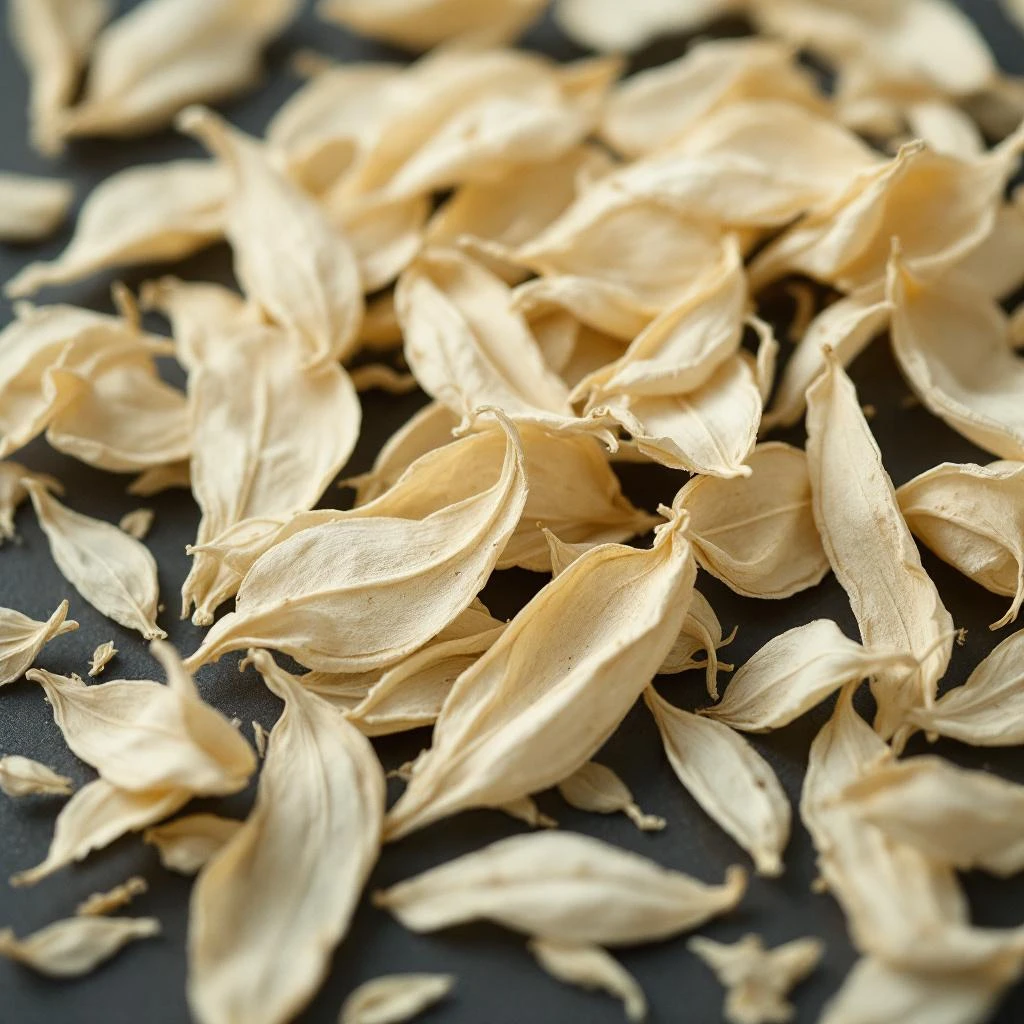
Safraleine captures saffron's signature warmth and subtle medicinal edge without the premium price tag. Givaudan's synthetic indenone derivative delivers that coveted leathery-spicy character found in luxury fragrances.

Character
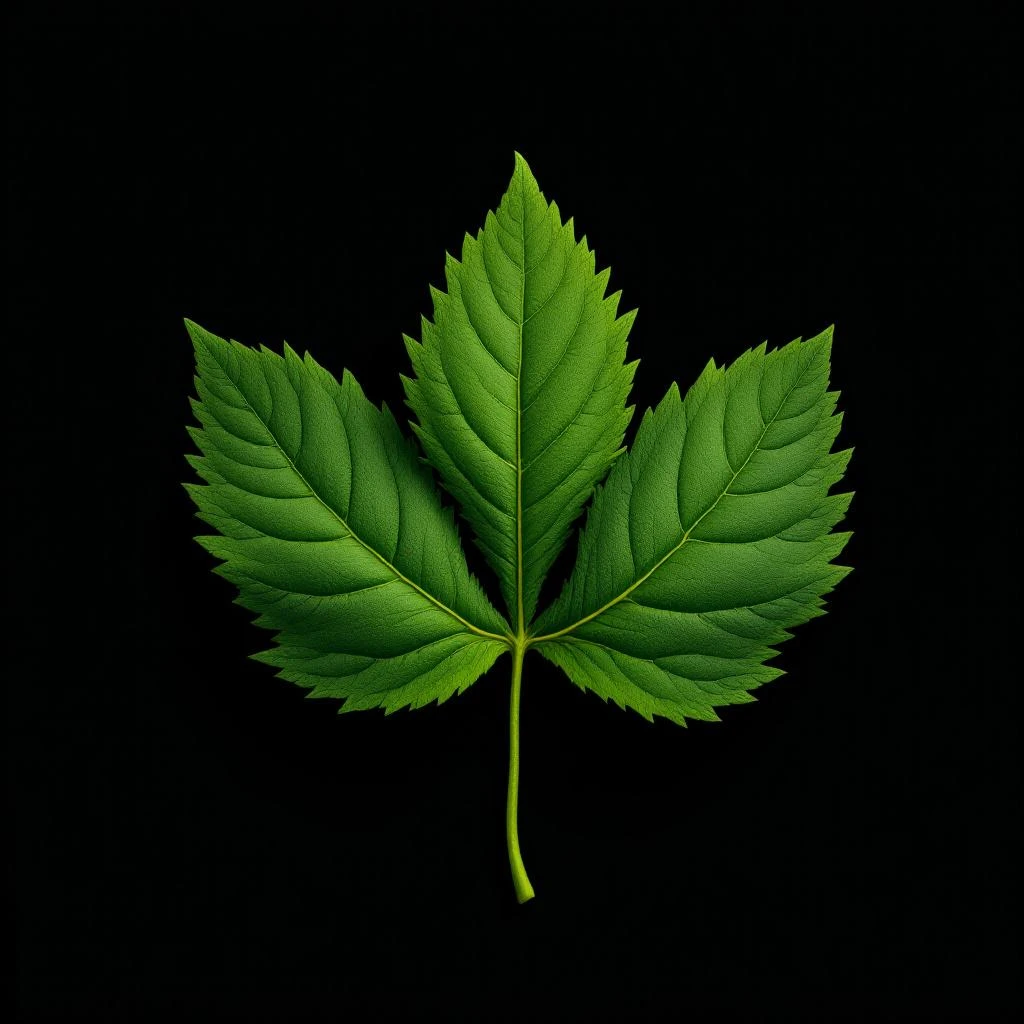
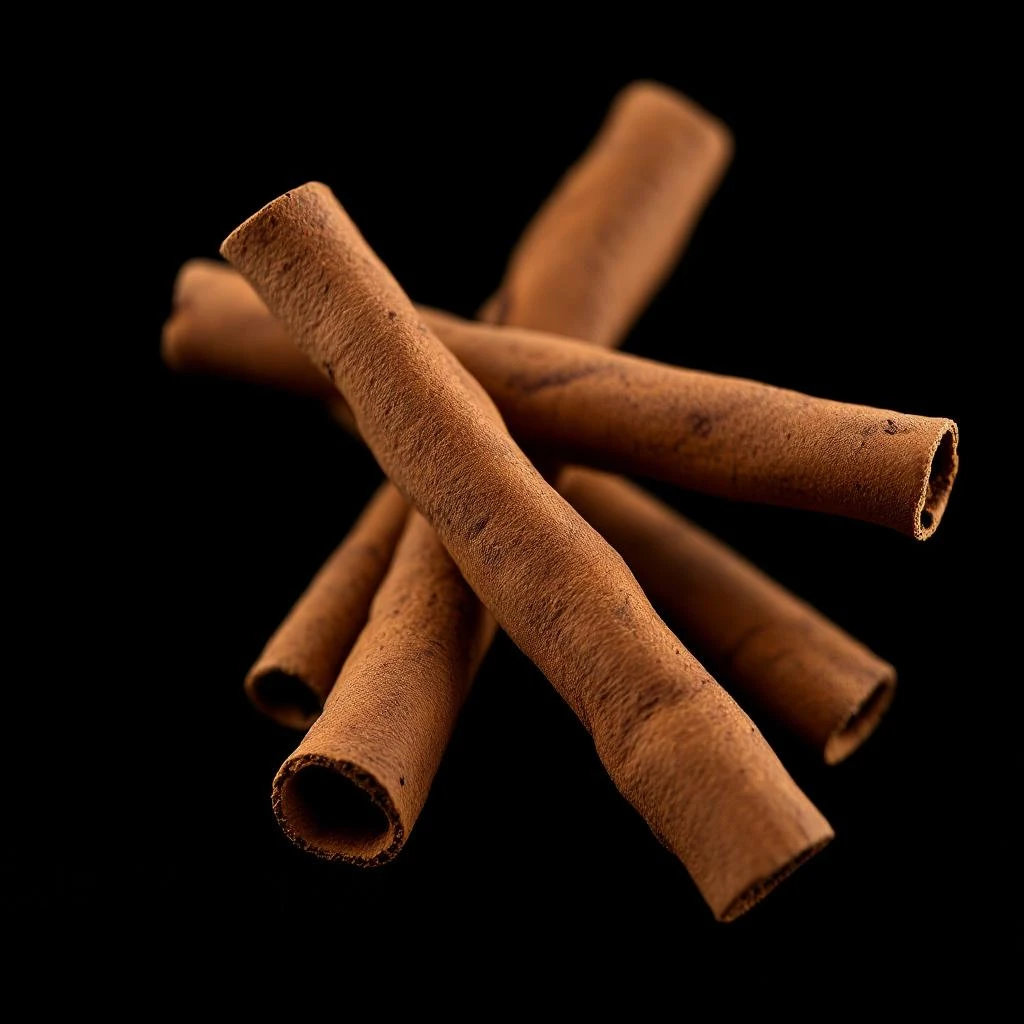
How it smells
Saffron's luxurious warmth, recreated in the lab.
Natural saffron commands prices around ₹5 Lakh per kilogram, making synthetic Safraleine an accessible alternative for perfumers seeking that distinctive warm-spicy character.




Origin
Switzerland
Modern perfumery transformed in the late 19th century when commercial synthesis of aroma compounds like vanillin and coumarin became possible. This shift freed perfumers from dependence on seasonal harvests and limited natural supplies.
Safraleine represents the continuation of this tradition, developed as luxury fragrance demand for saffron-like notes grew while natural saffron remained prohibitively expensive. The advancement reflects how chemistry bridges the gap between olfactory ambition and economic practicality, making premium scent profiles accessible to a broader range of formulations.
Wears it best
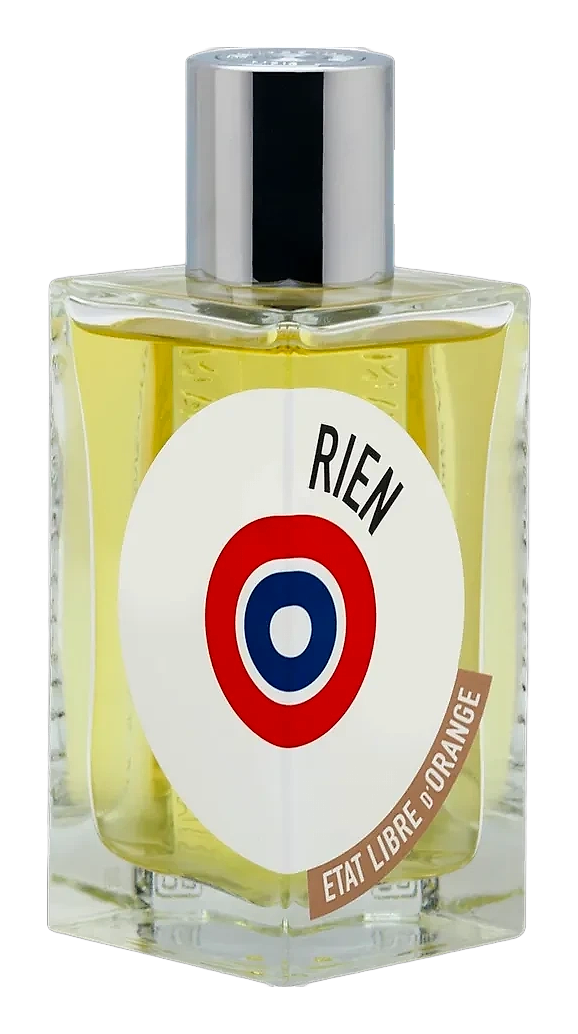
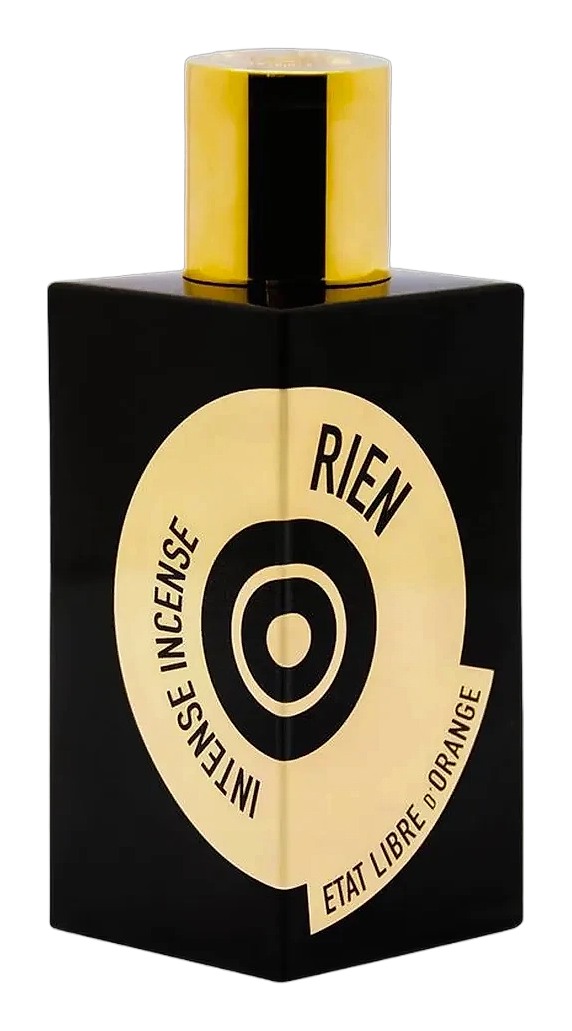
Fragrances featuring Safraleine
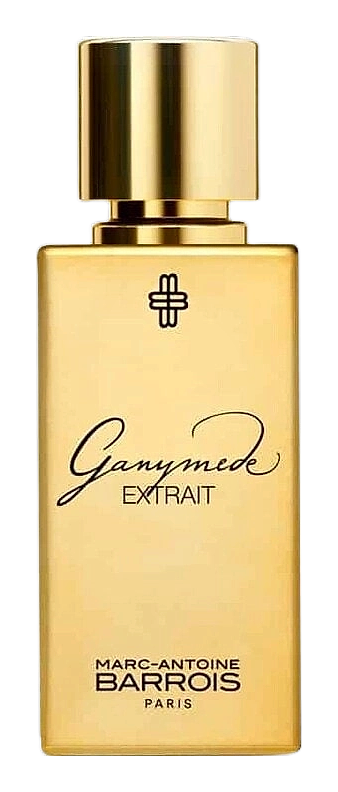
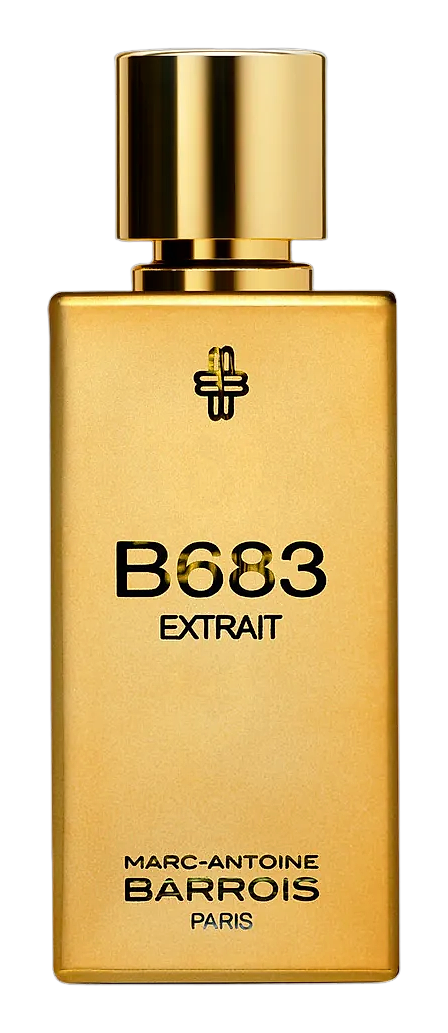
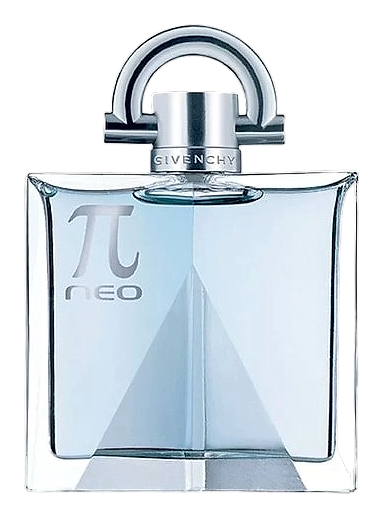
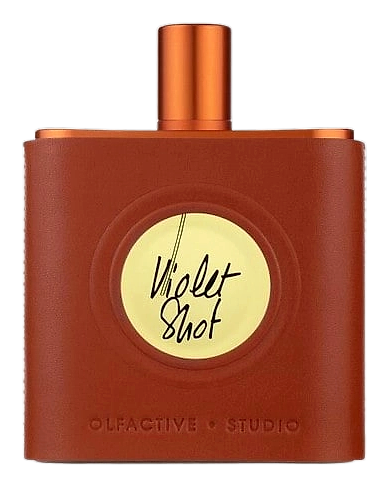
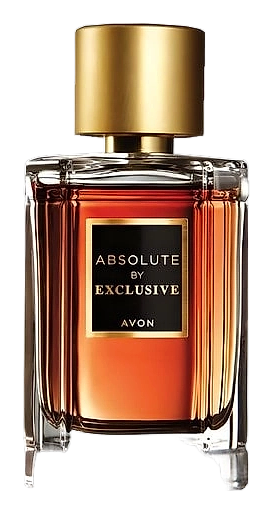
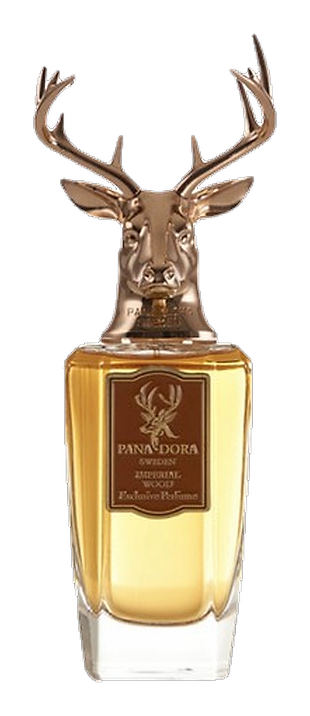
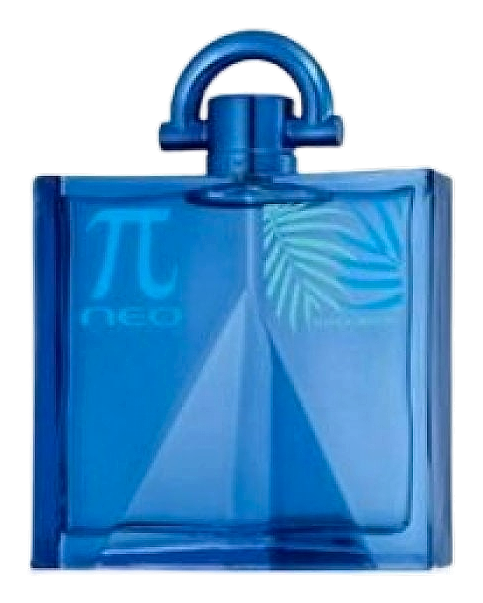
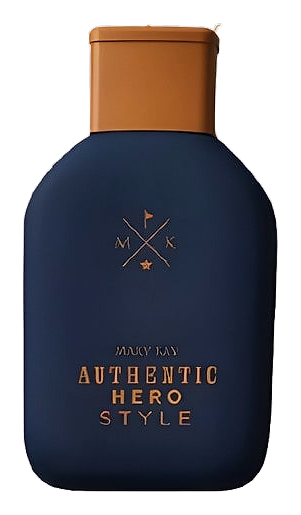
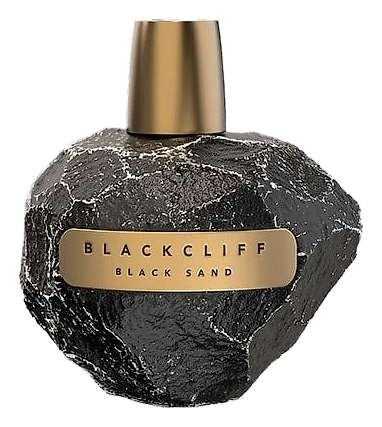
Brands
Brands known for Safraleine
Good to know
Questions, answered
The essentials on Safraleine in perfumery: how it smells, where it comes from, and how it behaves on skin.
What is Safraleine?
Safraleine is a proprietary synthetic indenone derivative created by Givaudan that replicates natural saffron's aromatic profile. It delivers the warm, spicy, and subtly leathery characteristics prized in luxury perfumery without using costly natural saffron.
How is Safraleine produced?
Givaudan synthesizes Safraleine through controlled laboratory processes, creating a consistent molecule rather than extracting from plant material. This method ensures batch-to-batch reproducibility and eliminates the variability inherent in agricultural crops.
What does Safraleine smell like?
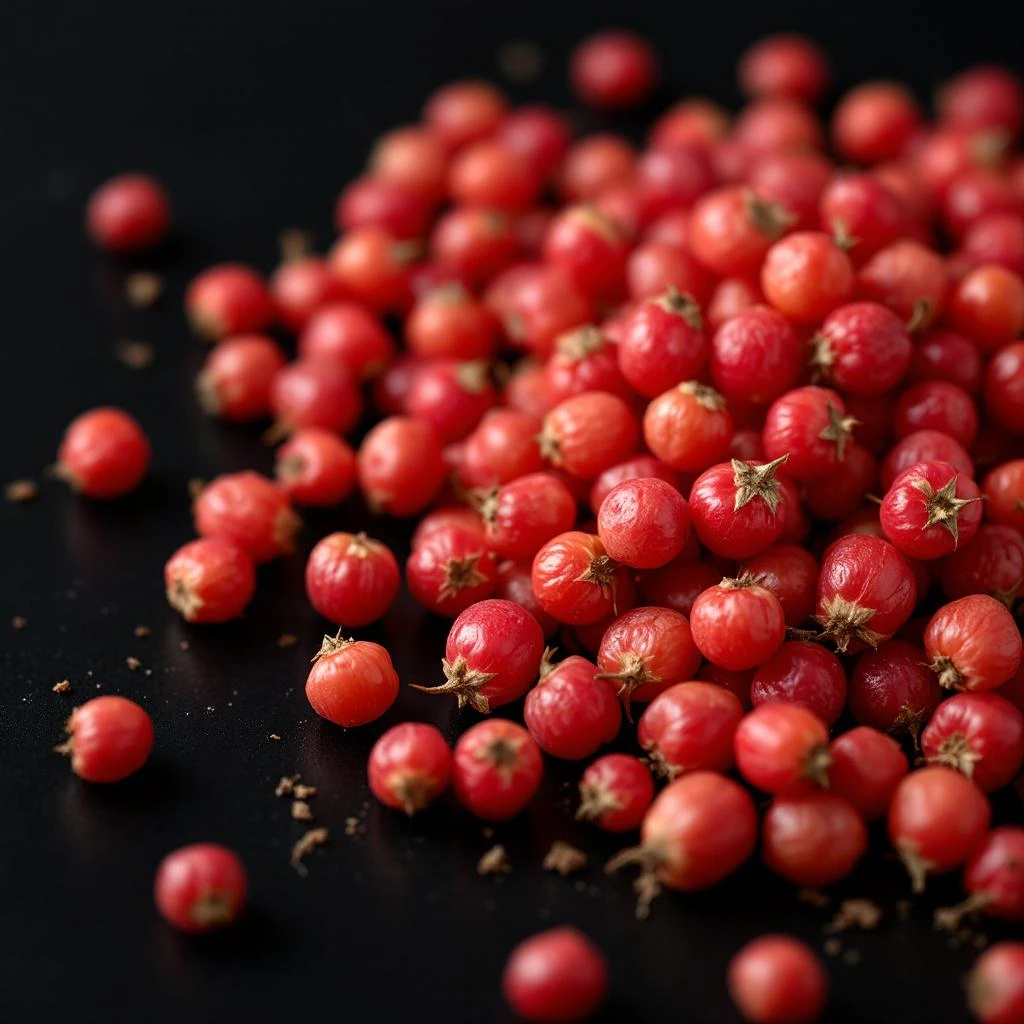
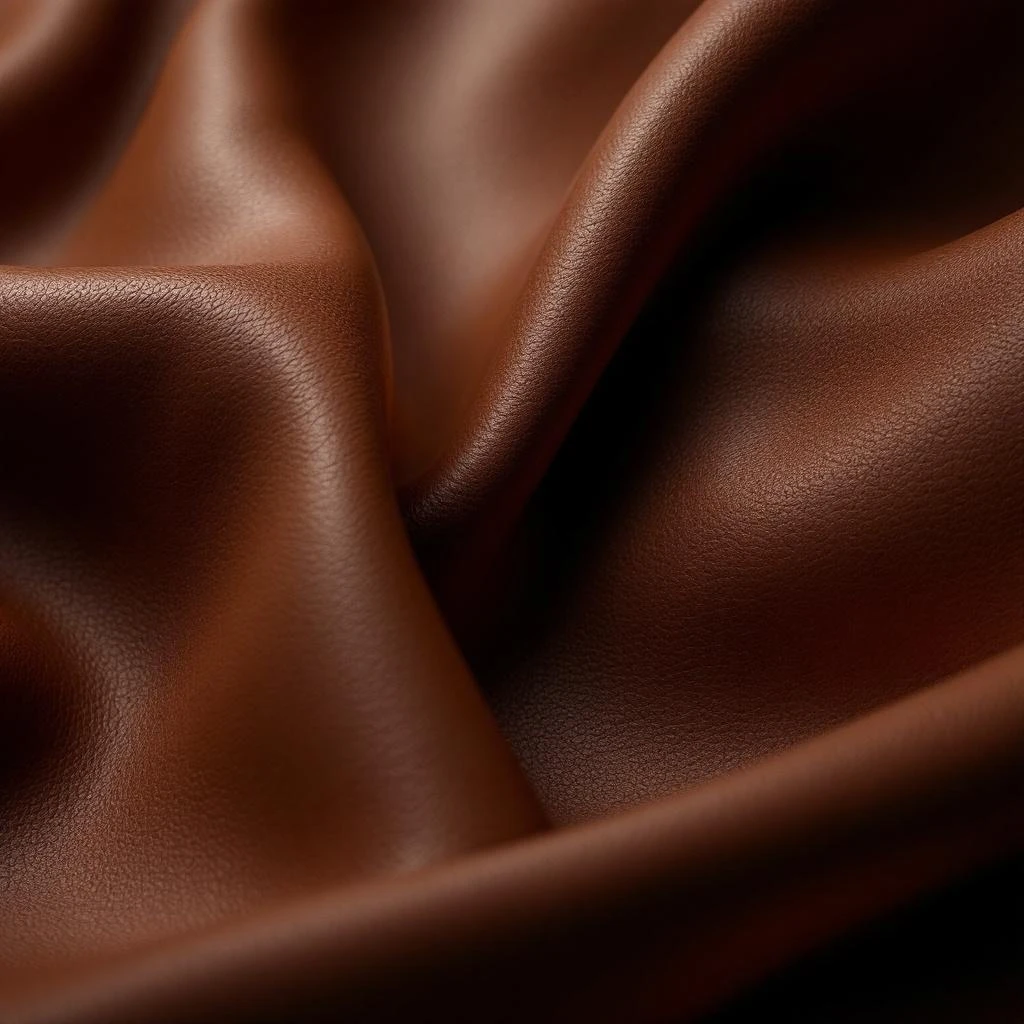
Safraleine captures saffron's distinctive character: warm, subtly medicinal, with gentle spicy and leathery undertones. Perfumers use it to add complexity and that signature saffron warmth to oriental and woody compositions.
Why do perfumers choose synthetic alternatives like Safraleine?
Synthetics offer consistency, stability, and cost efficiency that natural ingredients cannot guarantee. Natural saffron commands prices around ₹5 Lakh per kilogram, making synthetic replicas economically essential for widespread perfumery use.
When did synthetic perfumery ingredients become common?
Modern perfumery began transforming in the late 19th century with commercial synthesis of compounds like vanillin and coumarin. Safraleine represents continuing advancement in creating accessible luxury scent materials through chemistry.
Is Safraleine considered natural or synthetic?
Safraleine is entirely synthetic, produced through laboratory synthesis of an indenone derivative. While it mimics saffron's aroma, it contains no natural saffron compounds and is not derived from the crocus sativus plant.
Which fragrance families commonly use Safraleine?
Safraleine appears frequently in oriental, amber, and woody fragrance families. Perfumers value it for adding depth and that characteristic saffron warmth to both men's and women's luxury scents.
What advantages does Safraleine offer perfumers?
Safraleine provides consistent quality, predictable pricing, and year-round availability. It eliminates seasonal variability and supply chain uncertainties that affect natural ingredients, supporting sustainable and efficient fragrance production.