Toscanol
An amber‑rich synthetic note, Toscanol delivers a warm, spicy‑woody aroma that anchors oriental blends and adds lasting depth without the volatility of natural extracts.
Character
How it smells
Warm spice in a synthetic amber core.
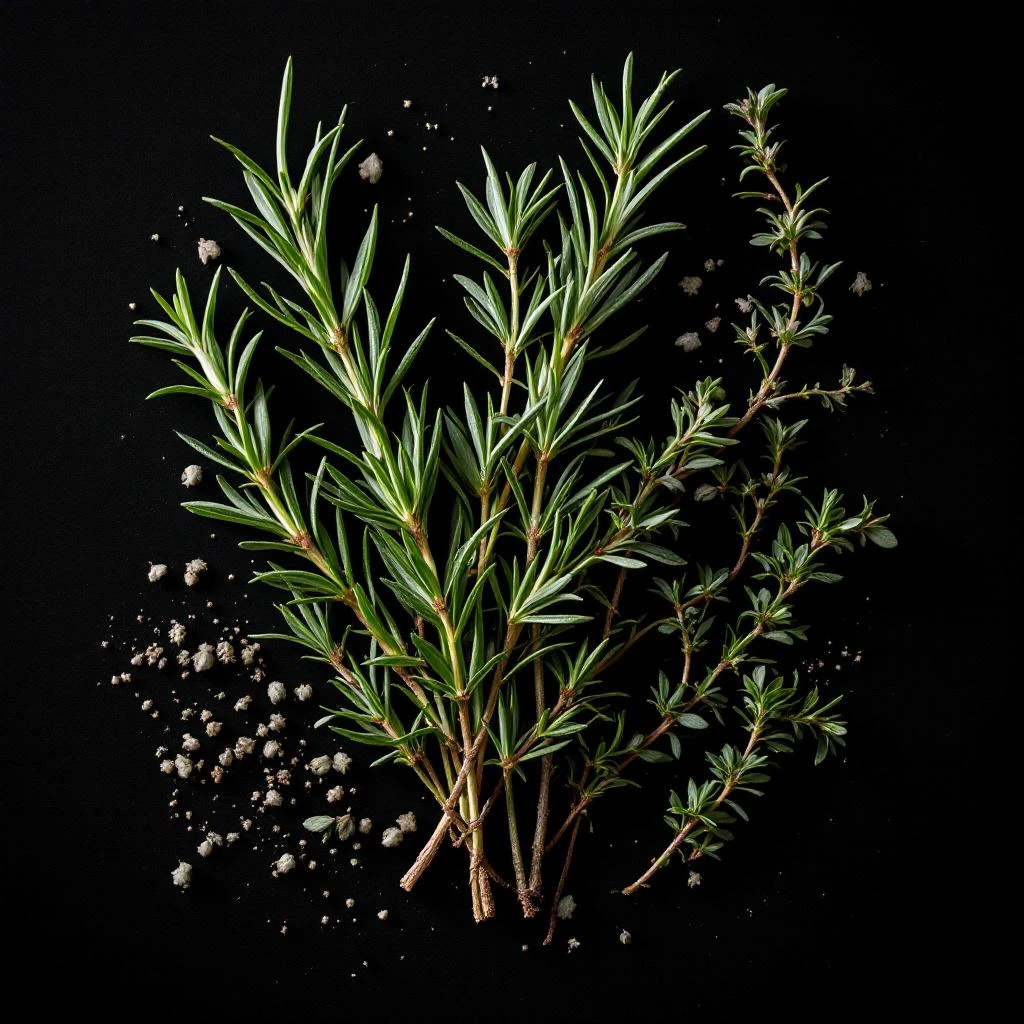
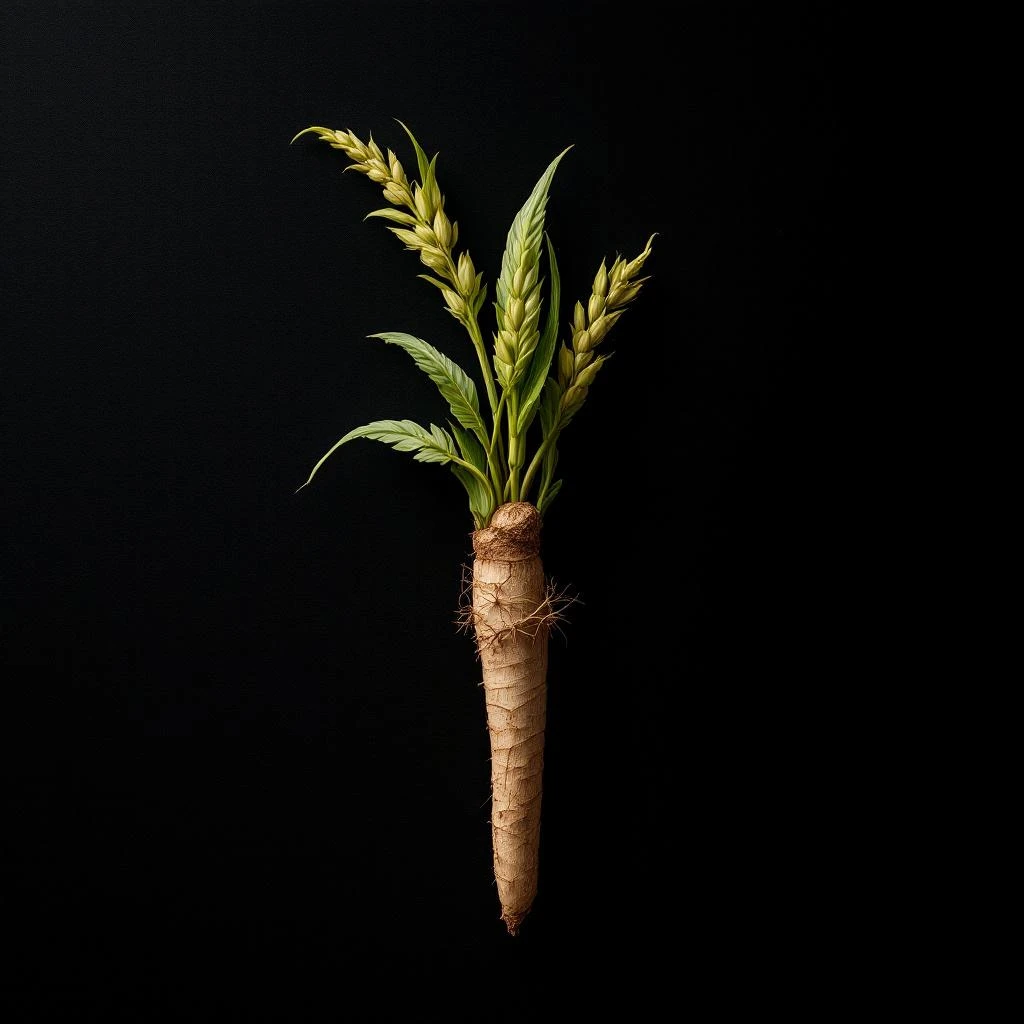
Although Toscanol has no plant source, its scent mirrors eugenol, the main component of clove oil, which can reach up to 70 % concentration in the spice’s essential oil.






Origin
Italy
Synthetic aroma chemicals entered perfumery in the early 20th century as chemists sought consistent alternatives to scarce natural extracts. In the 1960s, an Italian laboratory introduced Toscanol as a stable, spicy‑woody component that could replace high‑maintenance clove oil in large‑scale blends. Its launch coincided with the rise of modern oriental fragrances, where perfumers needed a note that could endure heat and time.
Over the following decades, Toscanol appeared in dozens of iconic scents, cementing its role as a workhorse for both niche and mainstream houses. The molecule’s reliability helped shape the era’s preference for long‑lasting, warm accords, and it remains a staple in contemporary formulae that aim for depth without sacrificing stability.
Wears it best
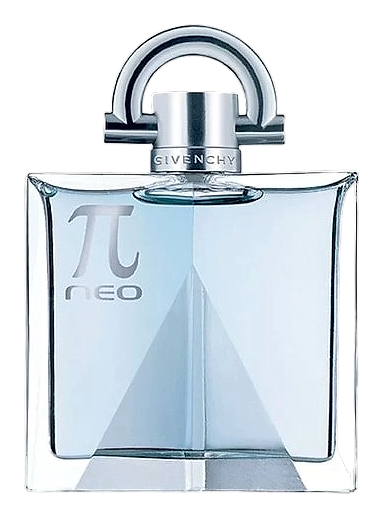
Fragrances featuring Toscanol
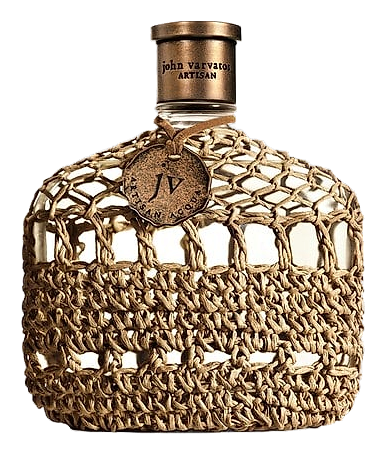
Brands
Brands known for Toscanol
Good to know
Questions, answered
The essentials on Toscanol in perfumery: how it smells, where it comes from, and how it behaves on skin.
What is Toscanol?
Toscanol is a fully synthetic aroma molecule used in modern perfumery. It provides a warm, spicy‑woody character that blends well with amber and oriental bases. The compound has a molecular weight of 210.3 g/mol and reliable chemical profile.
How does Toscanol smell?
Toscanol emits a warm, spicy‑woody scent with a faint clove accent and a subtle sweet undertone. Sensory panels rate its spiciness at 7 out of 10, making it a versatile note in many modern masculine and feminine compositions today globally.
What are typical applications of Toscanol?
Perfumers incorporate Toscanol into oriental, woody, and gourmand formulas to add depth and a lingering spice. A 2023 market survey recorded its presence in over 30 commercial fragrances released that year. Its stability in ethanol bases allows it to persist for weeks on skin.
Is Toscanol safe for cosmetic use?
Regulatory agencies list Toscanol as safe for inclusion up to 5 % of the final product. The EU Cosmetic Regulation (EC) No 1223/2009 assigns it an acceptable daily intake of 0.5 mg per kilogram of body weight. Most major brands follow this limit in their formulations.
How is Toscanol synthesized?
Manufacturers start with eugenol, then perform acetylation followed by oxidation to create the phenylpropanoid backbone of Toscanol. The final distillation step yields a product that reaches 85 % purity without detectable residual solvents. The process runs under controlled temperature to prevent degradation of the aromatic ring.
Does Toscanol have natural analogues?
Toscanol’s chemical skeleton mirrors eugenol, a natural phenylpropanoid found in clove oil and basil leaves. Clove oil can contain up to 70 % eugenol, providing a botanical reference for Toscanol’s scent profile. Perfume chemists often use eugenol as a benchmark when evaluating Toscanol’s performance in blends.
How stable is Toscanol in perfume formulations?
Toscanol resists oxidation and maintains its aroma for months when dissolved in ethanol or oil bases. Accelerated aging at 40 °C shows less than 5 % loss of intensity after six weeks. This stability makes it a reliable fixative in high‑temperature storage conditions.
Can Toscanol be used in natural‑only labeled products?
Because Toscanol is produced entirely by chemical synthesis, it does not meet natural‑only certification criteria. The Natural Cosmetic Standard excludes all synthetically derived aroma chemicals from its natural label list. Brands seeking 100 % natural claims must replace it with botanical extracts that offer similar spicy notes.